
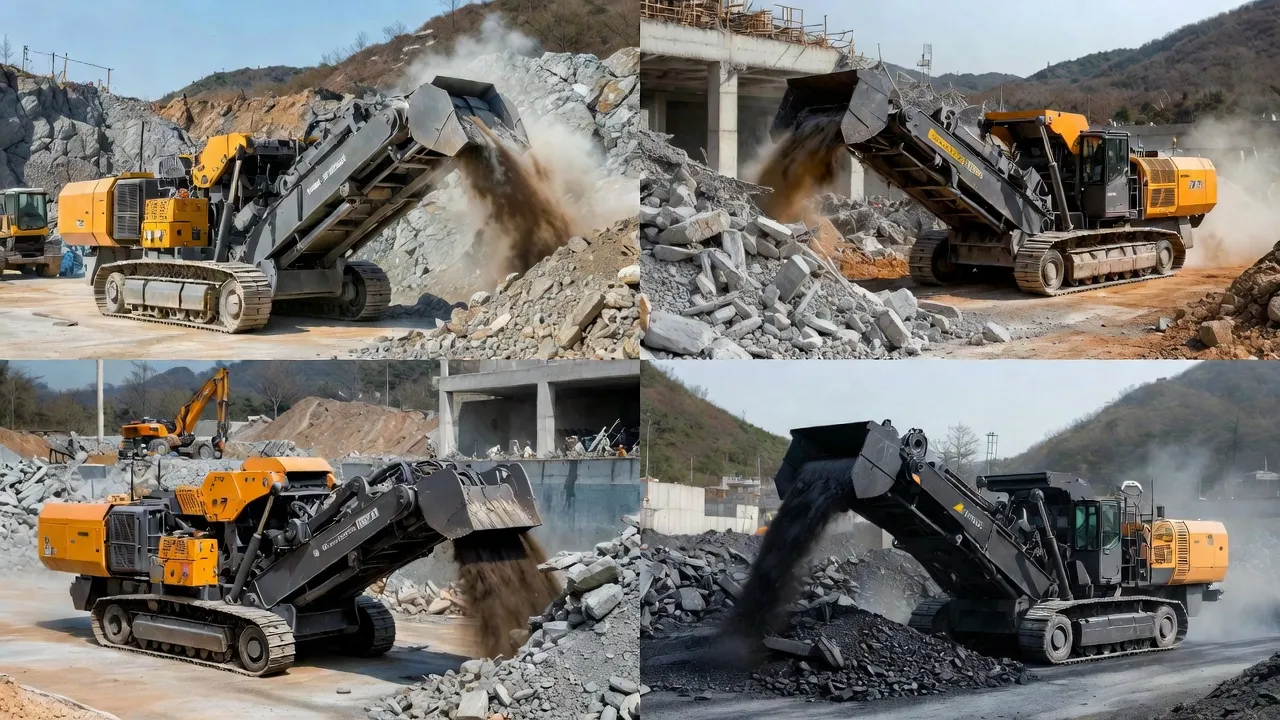
Australia’s Renewable Energy Buildout — and Its Aggregate Supply Problem
Australia is in the midst of the largest renewable energy infrastructure buildout in its history. The federal government’s 82% renewable electricity target by 2030, combined with state government renewable energy zones (REZs) in NSW, Victoria, Queensland, South Australia, and Western Australia, is driving an investment programme totalling hundreds of billions of dollars in wind turbines, solar panels, battery storage facilities, and high-voltage transmission lines across landscapes that are predominantly rural, remote, and — critically for construction logistics — far from established aggregate supply infrastructure. The New England REZ in NSW, the Western Renewables Link corridor in Victoria, the South West Renewable Energy Zone in WA, and the emerging offshore wind precincts all share one infrastructure challenge that project developers frequently underestimate until it appears on the programme critical path: getting enough aggregate to the right place at the right time for the volume of civil construction work required.
A utility-scale wind farm of 50–150 turbines requires 80,000–300,000 tonnes of aggregate for turbine foundation pads, access roads, crane hardstandings, substation construction, and cable trench backfill. A large-scale solar farm of 200–500 MW requires 50,000–200,000 tonnes for tracker foundation pads, internal road networks, inverter station bases, and perimeter fencing access tracks. For projects in regional areas 100–400km from established quarry infrastructure, haulage costs for this aggregate volume can reach $15–$40 million per project — a line item that directly affects project financial viability and is among the most controllable costs in the civil works budget if addressed through mobile on-site crushing rather than passive commercial quarry supply acceptance.
Wind Farm Construction: Aggregate Requirements Across the Project Lifecycle
Turbine Foundation Pad Construction
Each wind turbine foundation — a reinforced concrete gravity base or piled raft structure with a plan area of 15–25 metres diameter — requires 200–600 tonnes of aggregate for its concrete mix, sub-base preparation, and surrounding drainage layer. For a 100-turbine wind farm, this represents 20,000–60,000 tonnes of aggregate for foundations alone, delivered to individual turbine locations spread across 5,000–20,000 hectares of rural land. The access roads connecting these locations add a further 30,000–80,000 tonnes of road base aggregate, and crane hardstandings for turbine erection add 5,000–15,000 tonnes of compacted granular pad material per crane position. The combined aggregate demand — 55,000–155,000 tonnes for a 100-turbine project — concentrated into the 18–36 month construction window creates a procurement and logistics challenge that commercial quarry supply alone rarely resolves without significant programme risk.
Access Road Construction for Remote Turbine Locations
Wind farm access roads must support the heaviest construction traffic encountered on any civil project — blade transport vehicles carrying 60–80 metre blades require swept-path widths and turning radii that demand wide, well-constructed road formations; tower section transporters carry individual loads of 80–120 tonnes that require road base CBR values and surfacing depth exceeding standard rural road specifications. Building roads to this standard through rocky terrain with a mobile stone crusher processing local rock sources reduces road construction cost by displacing imported aggregate across the sections of road corridor where suitable rock is available within economical haul distance of the road formation. Wind farm project civil managers who establish borrow pit crushing programs during the road construction phase consistently report aggregate cost savings of 40–65% on the sections of road served by local crushing versus sections dependent on commercial quarry supply.
Solar Farm Construction: Tracker Foundations, Internal Roads, and Fencing Tracks
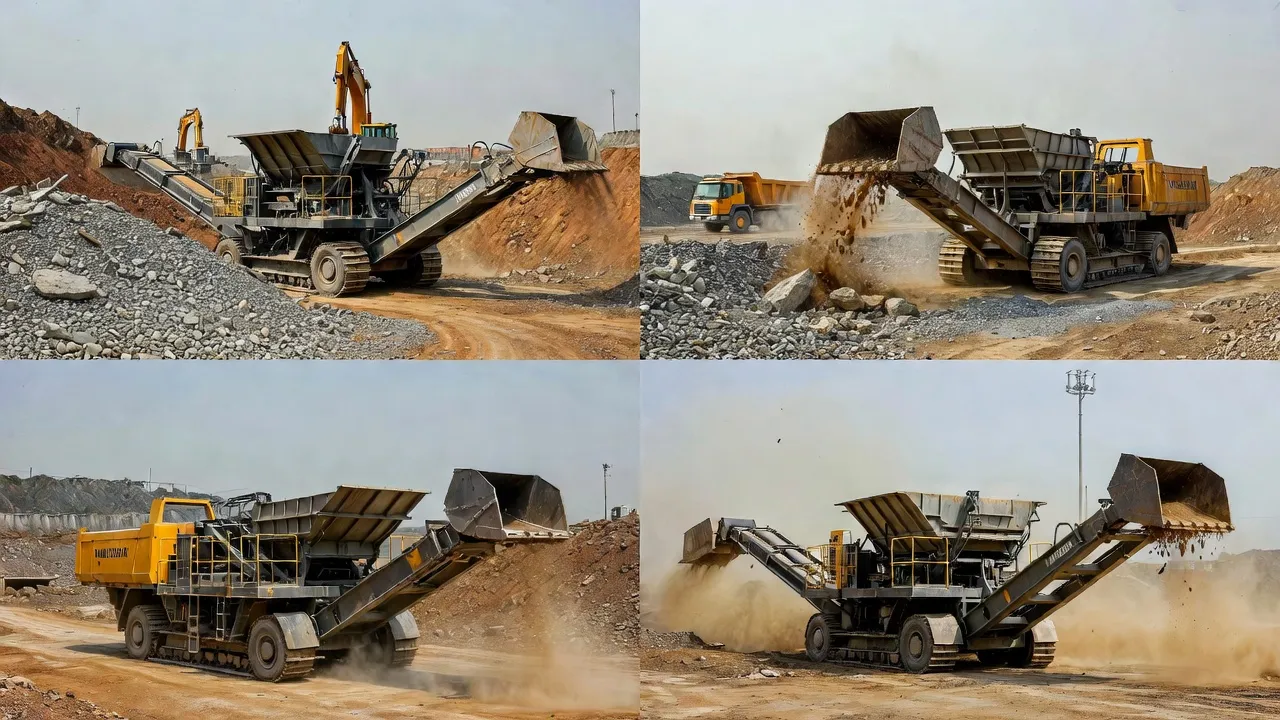
Utility-scale solar farms in Australia’s sun belt — the semi-arid regions of western NSW, south-west Queensland, the WA wheat belt, and northern South Australia where solar irradiance is highest — are increasingly developed on land that carries surface rock accumulations from shallow rocky soils typical of these geological environments. Solar tracker foundations — the driven steel piles or screw anchors that support single-axis tracking systems — require clear, rock-free ground for the pile driving process: a boulder in the pile driving path deflects or blocks the pile installation, requiring excavation and removal that adds time and cost to every affected tracker row. Pre-construction stone clearance and crushing along tracker installation corridors, conducted before the pile driving crew mobilises, eliminates the boulder interference problem at a cost far lower than the day-rate of a pile driving rig waiting while excavation removes obstructions.
Internal road networks within large solar farms — the gravel tracks providing maintenance vehicle access between inverter stations, transformer positions, and tracker rows — require 15,000–50,000 tonnes of aggregate for a typical 200 MW project, concentrated into a compact construction schedule. For solar projects on rocky terrain where surface clearance crushing is already planned, routing the crushed material from that operation directly onto the internal road network kills two construction birds with one stone: site clearance and road construction aggregate supply are addressed simultaneously from the same crushing operation, reducing total project material cost and eliminating one of the two scheduling dependencies that typically create programme bottlenecks in the civil works sequence.
Wind Farm (100 turbines)
Total aggregate: 55,000–155,000 t. Foundations: 20–60k t. Roads: 30–80k t. Crane pads: 5–15k t. Construction window: 18–36 months. Transport cost saving potential: $8–$25M vs quarry supply at 200km haul.
Solar Farm (200 MW)
Total aggregate: 50,000–120,000 t. Internal roads: 15–50k t. Inverter/transformer bases: 5–15k t. Perimeter fence tracks: 5–10k t. Site clearance crushing feeds directly into road construction aggregate stockpile.
Transmission Line (100 km)
Total aggregate: 30,000–80,000 t. Tower pad foundations: 15–40k t. Access track upgrades: 10–30k t. Substation construction: 5–10k t. Corridor-based crushing particularly effective — aggregate produced at point of need.
High Voltage Transmission Lines: Corridor Aggregate for Tower Foundations and Access
New high voltage transmission infrastructure — the 500kV and 330kV lines required to connect remote renewable energy zones to population centres — passes through hundreds of kilometres of rural and often rocky terrain where commercial aggregate supply is either unavailable or requires haulage distances that make delivered aggregate pricing prohibitive. Each transmission tower foundation — typically a four-leg concrete pad structure requiring 15–40 tonnes of aggregate per tower — must be constructed across the full line length, often in locations accessible only by the access track being constructed simultaneously with the tower foundations themselves. This self-referential logistics problem — you need aggregate to build the access track, but you need the access track to deliver the aggregate — is precisely the situation where mobile crushing from local borrow pits resolves the paradox by producing aggregate at the tower location from nearby rock rather than importing it from a distant quarry via a track that doesn’t yet exist.
The Humelink transmission project (NSW), Western Renewables Link (Vic), and Project EnergyConnect (SA/NSW) are examples of major transmission corridor projects where on-corridor mobile crushing has been evaluated as a cost reduction strategy for aggregate supply. For project managers assessing the feasibility of mobile crushing on their transmission corridor, Watanabe provides a standard geological corridor assessment methodology that identifies borrow pit candidate locations from publicly available geological mapping data — allowing an initial feasibility estimate before committing to field investigation costs.
Cable Trench Backfill and Underground Cable Corridor Management
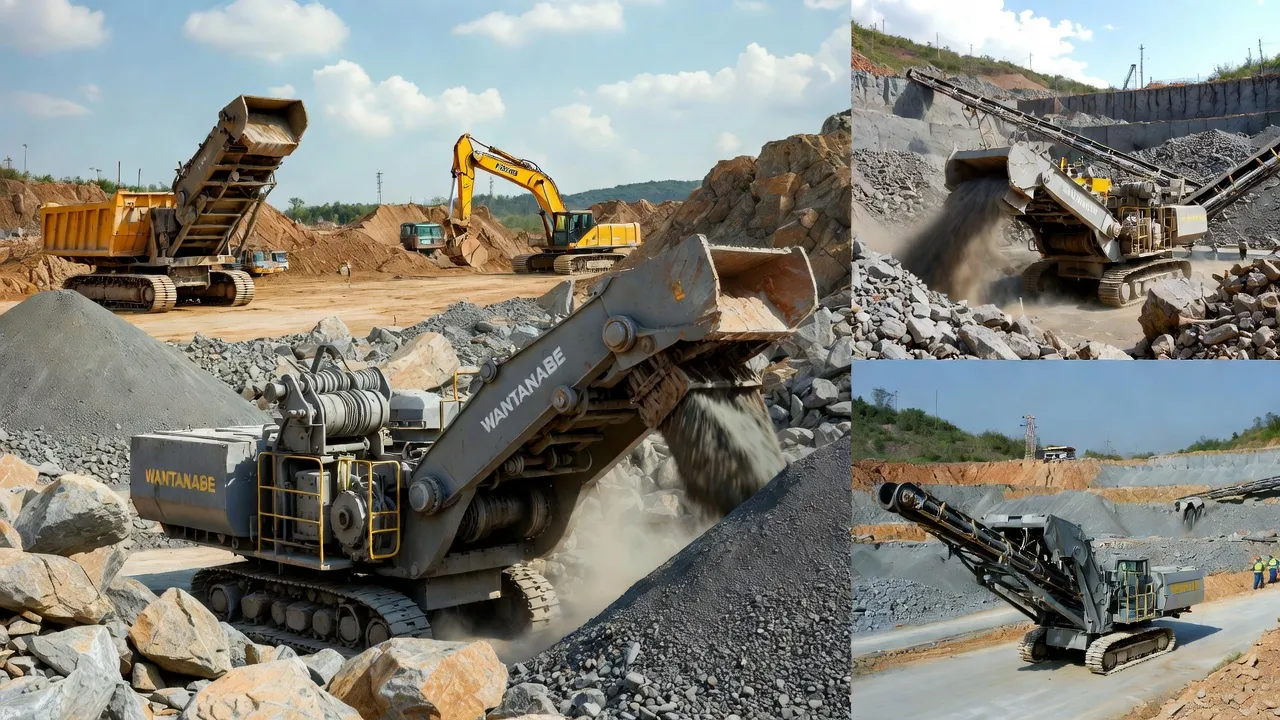
Underground cable corridors — increasingly used within renewable energy project boundaries for inter-array cabling and grid connection — require specific aggregate products for cable trench construction: fine sand or fine aggregate bedding immediately around the cable (typically 100mm depth of 0–5mm clean aggregate for thermal management around the cable insulation); a 150–300mm surround of 10–20mm clean aggregate for mechanical protection; and imported selected fill or trench spoil for upper trench backfill. The bedding and surround aggregate — which must be free of angular particles that could damage cable insulation over time and must meet thermal resistivity specifications for cable rating purposes — cannot be replaced with unprocessed trench spoil regardless of its availability, and must be sourced from a crusher operation capable of producing clean, specified-size output.
A tractor stone crusher in Australia configured with 5mm screen grates for cable bedding production and 20mm grates for cable surround aggregate provides both required product grades from the same on-site rock source by switching screen configurations between production runs — eliminating the need to import two separate specification aggregate products from external suppliers. For large underground cable installations (100+ km of inter-array cabling in a major solar farm), the volume of cable bedding and surround aggregate is substantial enough that on-site production from local rock provides meaningful cost savings versus imported supply, particularly on remote projects where the delivered cost premium for small-specification aggregate products is highest.
Battery Energy Storage Systems (BESS): Site Preparation and Civil Works
Grid-scale battery energy storage systems — now a standard component of both standalone storage projects and hybrid wind/solar developments — require civil construction that is proportionally more aggregate-intensive per MW of capacity than the generation assets they accompany. BESS containerised systems are installed on concrete slabs with substantial sub-base preparation requirements; the transformers and switchgear associated with BESS grid connections require robust hardstanding pads; and the fire suppression infrastructure, security fencing, and access road extensions needed around BESS facilities add further aggregate demand to what is already a concentrated civil construction requirement on a compact site footprint.
For co-located BESS facilities on existing wind or solar farm sites — where aggregate supply infrastructure was established during the original project’s construction — the additional BESS civil works can often be supplied from residual on-site borrow pit resources used during the original construction. For standalone BESS projects on greenfield sites, the aggregate supply logistics must be established from scratch for what may be a relatively small total aggregate volume (5,000–30,000 tonnes for a typical 100–400 MW BESS facility), making mobile crushing from a nearby rock source the most cost-effective supply option when suitable rock exists within 10–20km of the project site.
Environmental Compliance in Renewable Energy Construction
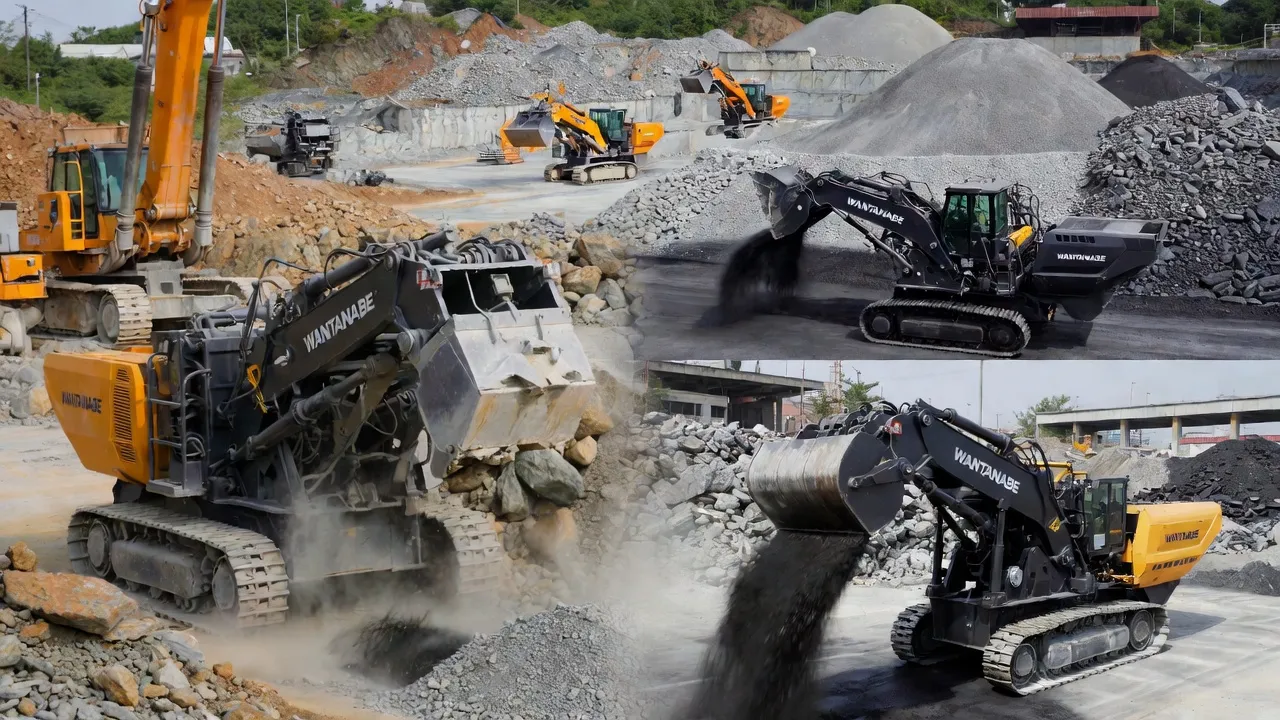
Renewable energy projects in Australia typically hold Development Approvals (DAs) or State Significant Development (SSD) consents that include detailed environmental management conditions covering dust, noise, vegetation protection, and borrow pit management. On-site stone crushing must comply with these approval conditions, and the crushing program must be described in the project’s Construction Environmental Management Plan (CEMP) before works commence. Key environmental management requirements for crusher operations on renewable energy projects include: dust suppression through integrated water spray (mandatory for any crushing within 500m of sensitive receptors or native vegetation); noise compliance with construction hours specified in the approval; borrow pit site selection avoiding threatened ecological communities, waterways, and heritage sites; and borrow pit rehabilitation at project completion including topsoil replacement and revegetation.
Watanabe provides CEMP-ready documentation for mobile crusher operations including dust suppression specifications, noise level data at standard distances, and borrow pit rehabilitation methodology descriptions — the documentation that environmental teams need to include crusher operations within the project’s approval framework without triggering additional environmental assessment requirements. This documentation support reduces the administrative burden for project environmental managers who are managing hundreds of individual CEMP elements simultaneously and value suppliers who bring their own compliance documentation rather than creating additional assessment work.
Aggregate Quality for Renewable Energy Civil Applications
Programme Management: Integrating Mobile Crushing into the Renewable Energy Project Schedule
Integrating a mobile crushing programme into a renewable energy project’s construction schedule requires coordination with three concurrent work fronts: borrow pit approvals (which must be secured before any extraction commences — typically through a works approval under the project’s SSD consent or a separate small quarry approval from the state mining authority); geological investigation to confirm adequate rock volume and quality at proposed borrow pit locations; and civil works programme sequencing to ensure crushed aggregate is available at the right locations and times to support the foundation and road construction programme without creating aggregate stockpile gaps that stop the civil crews. Experienced renewable energy project managers treat mobile crushing programme planning as a critical path activity from the first weeks of project delivery planning — not an afterthought addressed when aggregate supply gaps emerge during construction.
Watanabe’s project support service for renewable energy clients includes early-engagement programme planning assistance: reviewing project layout plans to identify borrow pit candidate zones, estimating crushing campaign durations based on required aggregate volumes and crusher throughput, and identifying equipment sizing options (single PSW-3200 unit versus multiple smaller Thor 3.0 units) that match the project’s aggregate demand profile and tractor fleet availability. This early planning engagement — typically conducted during the project’s detailed design phase — prevents the programme disruptions caused by aggregate supply gaps that arise when crushing programme planning is deferred to the construction phase when time pressure creates poor decision-making conditions.
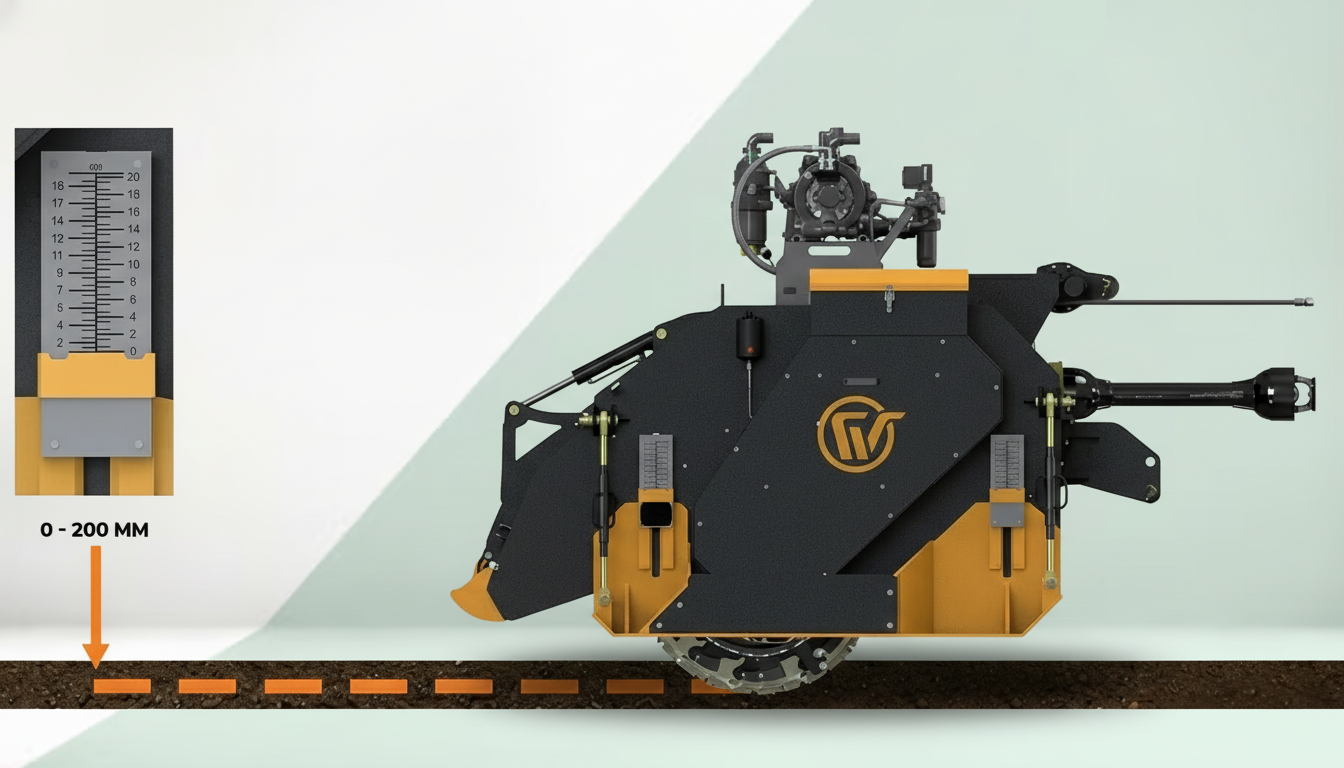
Watanabe’s Renewable Energy Project Capabilities
Australia Watanabe Tractor Stone Crusher Co., Ltd has developed specific expertise and support documentation for the renewable energy infrastructure market — recognising that renewable energy project managers have different procurement timelines, documentation requirements, and programme management needs from agricultural or small mining clients. Watanabe’s renewable energy project package includes: equipment specification data sheets in the format required for project DA/SSD documentation; CEMP template language for crusher operations; aggregate quality test reporting formats aligned with AS standards referenced in civil works specifications; and programme planning tools for scheduling crushing campaigns against civil works milestones. This project-ready documentation package reduces the time between procurement decision and on-site production commencement — a critical advantage on projects where the construction window is fixed by grid connection deadlines that cannot be moved regardless of civil works delays.
For EPC contractors assessing equipment options for their renewable energy project aggregate supply strategy, Watanabe provides site-specific feasibility assessments based on project location, proposed rock sources, aggregate volume requirements, and programme milestones. Contact the team at tractor-stone-crusher.com/contact-us/ or email [email protected] with your project details and timeline for a project-specific assessment and equipment proposal.
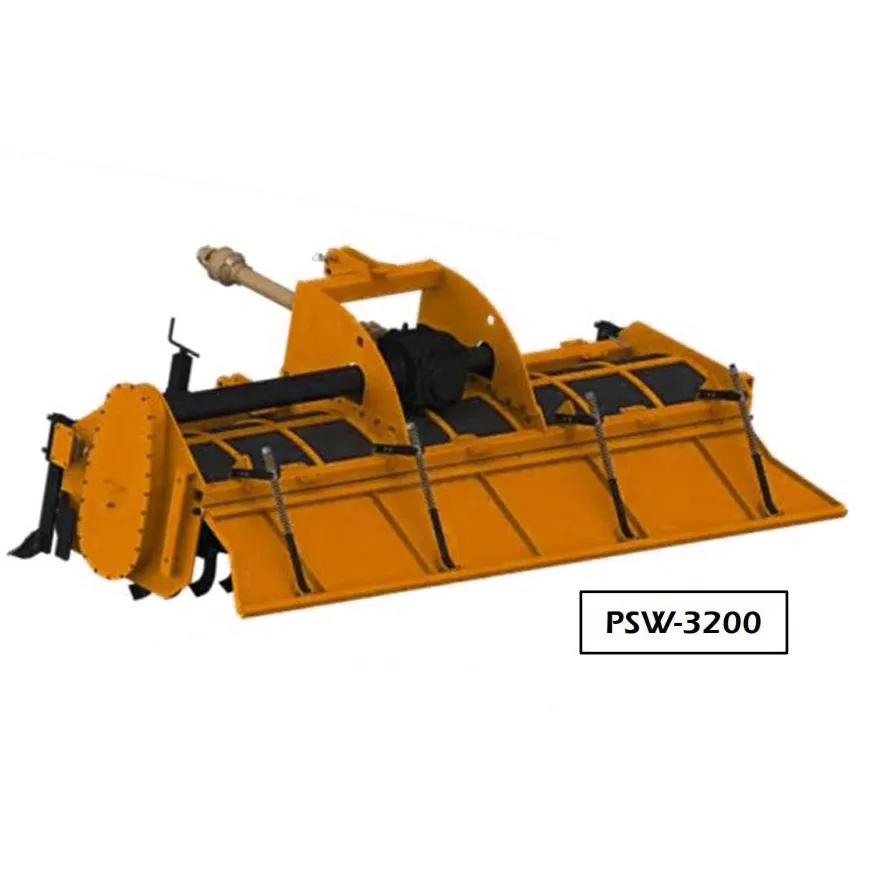
Featured Product for Renewable Energy Infrastructure
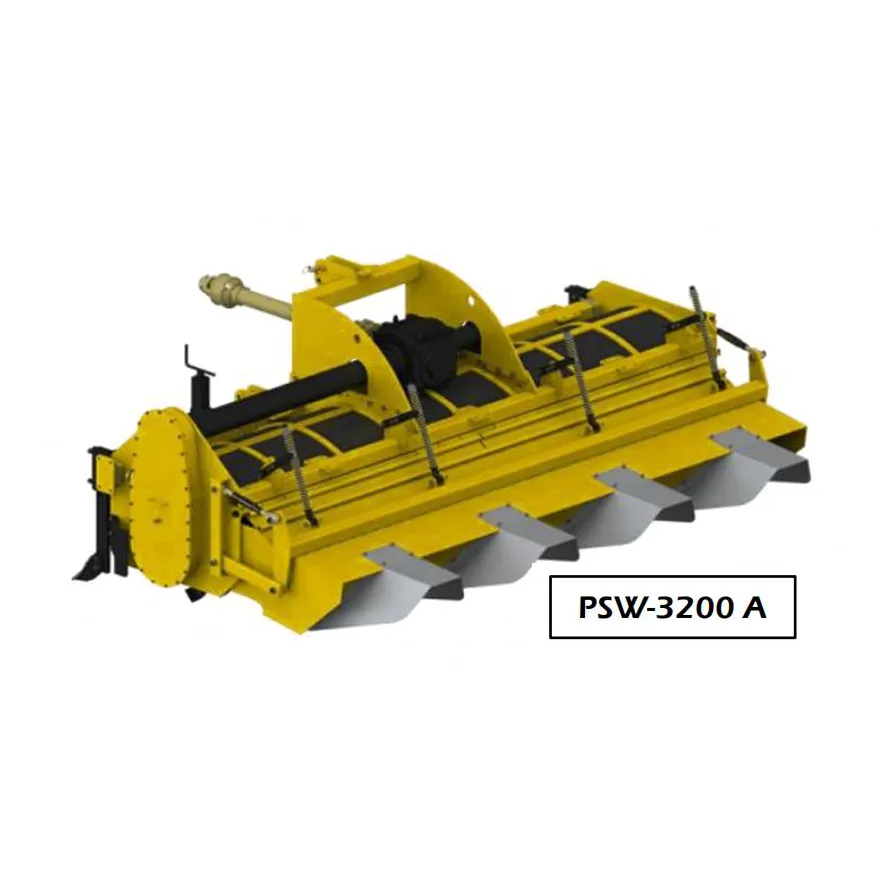
Watanabe PSW-3200 Series Stone Crusher
The PSW-3200 Series is Watanabe’s preferred crusher for renewable energy infrastructure projects, delivering the 80–150 t/h production rate needed to meet construction programme aggregate milestones on large wind and solar projects. The 3200mm working width, heavy-duty rotor, and interchangeable screen grate sets from 5–75mm provide the throughput and product flexibility required across the full range of renewable energy aggregate applications — from fine cable trench bedding to coarse crane hardstanding fill. PTO-driven operation requires no electrical infrastructure at remote project sites. Compact transport envelope moves easily between borrow pit locations on standard trailers. CEMP documentation package included. Australian parts and technical support from Condell Park NSW.