
Australia’s Brownfield Opportunity — and the Demolition Waste Challenge
Australia’s urban brownfield redevelopment pipeline — former industrial lands, decommissioned manufacturing sites, retired utility corridors, and abandoned commercial properties in inner and middle-ring suburbs — represents the country’s most significant land recycling opportunity. These sites typically carry substantial quantities of legacy construction materials: reinforced concrete slabs and footings, brick and masonry structures, buried concrete pipework, asphalt paving over compacted aggregate base courses, and miscellaneous construction fill from decades of site modifications. Before any new development can proceed, this legacy material must be assessed, managed, and in most cases demolished or excavated — generating demolition waste volumes that range from hundreds to tens of thousands of tonnes per site depending on the industrial legacy footprint.
The financial model for brownfield redevelopment is uniquely sensitive to demolition waste management cost: unlike greenfield development where material cost is primarily outbound (buying aggregate for construction), brownfield development carries a substantial inbound cost (paying to dispose of demolished material) that adds directly to the site acquisition and remediation cost before a single brick of new construction is placed. A stone crusher attachment for tractor operating on a brownfield site converts this disposal cost into a partial cost offset — producing recycled aggregate from the demolished material that reduces both the disposal volume and the imported aggregate demand for the redevelopment’s civil works. In strong urban land markets where development margins are under constant pressure, this cost reduction on the demolition and site preparation phase can be the difference between a viable development and one that fails the financial feasibility test.
Demolition Concrete Processing: From Structural Slab to Recycled Aggregate
Pre-Assessment: Is the Concrete Clean Enough to Recycle?
Not all legacy industrial concrete is suitable for recycling through a standard crusher program. Industrial sites where hazardous materials were used, stored, or manufactured may have concrete structures contaminated with heavy metals (chromium from tanning operations, lead from battery manufacturing, arsenic from timber treatment), hydrocarbons (fuel stations, chemical plants, lubrication facilities), or asbestos (legacy roofing, pipe lagging, and floor tiles bonded to concrete surfaces). Before any demolition crushing program commences, a hazardous materials assessment by a licensed assessor — covering the site history, construction materials inventory, and representative sampling of concrete structures for asbestos and chemical contamination — is legally required in all Australian states. This assessment is not optional, and skipping it creates personal liability for the developer and demolition contractor that significantly exceeds the cost of the assessment itself.
Clean Concrete Crushing: Configuration and Throughput
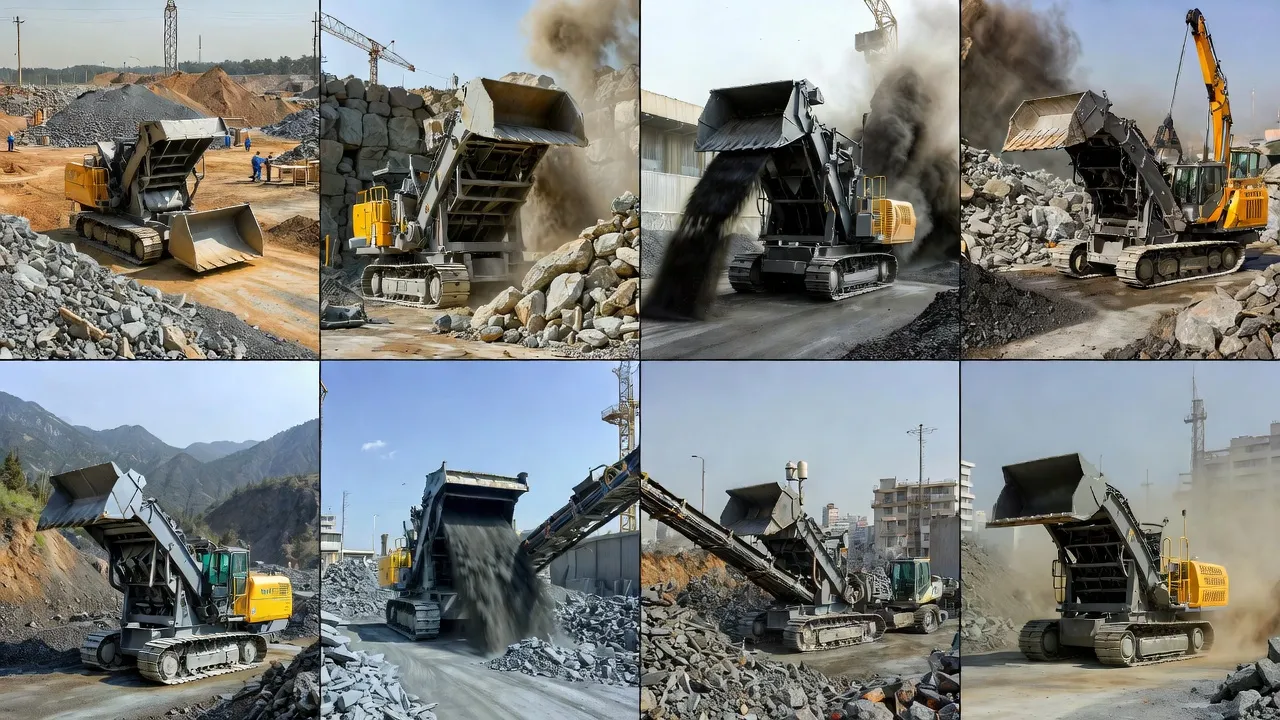
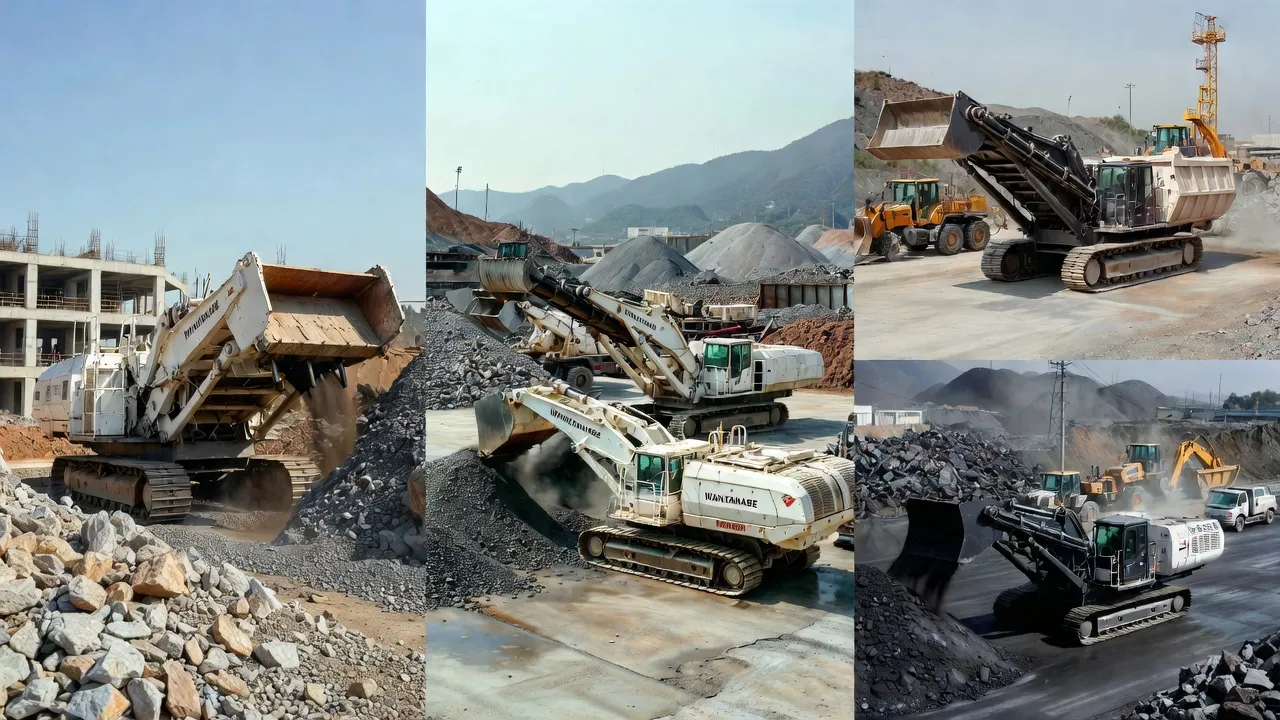
Clean legacy concrete — free of asbestos, hazardous coating systems, and significant hydrocarbon contamination — represents the most straightforward brownfield material stream for crusher-based recycling. After rebar removal (a mandatory pre-processing step to prevent rotor damage), broken concrete at 50–300mm fragment size feeds smoothly through Watanabe’s heavy-duty configurations at 60–120 t/h, producing 0–40mm recycled concrete aggregate (RCA) suitable for road sub-base, structural fill, drainage aggregate, and non-structural concrete applications. The brownfield context adds one consideration relative to standard demolition crushing: the potential for legacy paint, epoxy coating, or surface treatment systems on the concrete. Most such coatings are present at trace concentrations relative to the concrete mass and do not affect the RCA’s suitability for sub-base and fill applications, but should be confirmed through a basic leachate test on the crushed product before reuse in applications involving long-term groundwater contact.
Contaminated Concrete Pre-Treatment Before Soil Remediation
On brownfield sites where the concrete itself carries contamination from the site’s industrial legacy — rather than being clean concrete on a contaminated soil substrate — the crusher plays a different role: size reduction of contaminated concrete before ex-situ treatment, rather than aggregate production for beneficial reuse. Contaminated concrete at 300–800mm fragment size is difficult to treat effectively with most soil remediation technologies because the fragment size limits reagent or microorganism access to the contamination within the concrete matrix. Crushing the contaminated concrete to 20–50mm dramatically increases the surface area available for treatment, accelerating the kinetics of chemical oxidation, solidification/stabilisation, or bioremediation treatments applied to the crushed material.
This pre-treatment crushing application requires additional operational precautions beyond standard demolition recycling: the crushed material may contain volatile organic compounds (VOCs) that become airborne during crushing, requiring operator respiratory protection and confined-air monitoring at the crusher discharge; the crushed product is classified waste rather than recyclable material until it passes post-treatment quality assessment; and the crusher itself may require decontamination before redeployment on a clean material stream if it has processed significantly contaminated concrete. Watanabe’s technical team can advise on the specific operational precautions required for crushing contaminated concrete in the context of a licensed remediation program.
Brownfield Demolition Waste to Recycled Aggregate — Compliance Pathway
Hazmat Assessment
Licensed assessor surveys all structures. Asbestos, lead paint, and chemical contamination identified and segregated. Only clean streams proceed to crusher.
Selective Demolition
Hazardous materials removed by licensed contractors before structural demolition. Rebar removed from RC structures. Clean concrete, brick, and masonry separated into streams.
Crusher Processing
Watanabe crusher reduces clean stream to 0–40mm RCA. Product stockpiled by stream (concrete, brick, mixed). Batch sampling at 500t intervals.
Product Testing
Sieve analysis confirms gradation. Leachate test confirms no hazardous soluble content. EPA Resource Recovery Order criteria verified per batch.
Approved Reuse
Passing product placed in approved end-use: sub-base, structural fill, drainage layer, or landscaping fill. Disposal volume reduced. EPA exemption compliant.
Former Industrial Sites: Specific Material Challenges by Industry Type
Former Manufacturing
Heavy concrete floors, machine foundations, acid-resistant tile floors. Main concerns: hydrocarbon contamination of concrete; heavy metal leachate from process area floors. Sampling essential before crusher program. RCA typically suits sub-base after leachate testing.
Former Fuel/Service Stations
Concrete forecourts and canopy slabs typically have TPH contamination from fuel spills. Crushing increases surface area for bioremediation treatment. Concrete from canopy and building may be uncontaminated and recyclable. Assess each structure independently.
Former Warehousing
Large-volume relatively clean concrete. Post-tensioned slabs require cable cutting and removal before crushing. Generally lowest contamination risk of industrial categories — RCA typically qualifies for sub-base reuse after standard assessment.
Former Power/Utility
Transformer bays may have PCB-contaminated oil soaking; switchgear buildings may have lead paint; fuel oil concrete contamination. Multiple hazardous streams — full building survey and selective demolition essential before any crushing activity.
Soil Remediation Integration: How Crushing Supports Bioremediation and Stabilisation
Soil remediation on brownfield sites — the treatment of hydrocarbon-contaminated, metal-impacted, or chemically polluted soil to reduce contaminant concentrations to levels permitting the site’s intended future use — often proceeds in parallel with structural demolition and debris processing. Crushing plays a supporting role in several remediation technologies that require particle size reduction of solid materials for effective treatment. In-situ and ex-situ bioremediation of hydrocarbon-contaminated soil mixed with legacy concrete rubble benefits from crushing the rubble fraction before incorporation into biopile treatment cells: finer rubble particles expose more contaminated surface area to the microbial population and oxygen supply that drive biodegradation, accelerating remediation timescales by 20–40% compared to treating rubble-mixed soil without size reduction.
Stabilisation/solidification (S/S) treatment — mixing cement and/or fly ash with contaminated soil to immobilise heavy metal contaminants within a hardened matrix — also benefits from pre-treatment crushing of coarse debris within the contaminated soil zone. S/S treatment is most effective on soil passing 75mm; coarser fragments from buried concrete foundations, brick rubble, and legacy fill materials reduce treatment effectiveness and can cause problems with the S/S mixing equipment’s rotor systems. A Watanabe crusher pass over the excavated material before S/S treatment, targeting a 50mm product size, improves treatment uniformity and allows more confident certification of the treated mass as meeting the target performance specification.
Urban Renewal Precincts: Multi-Site Crushing Programs
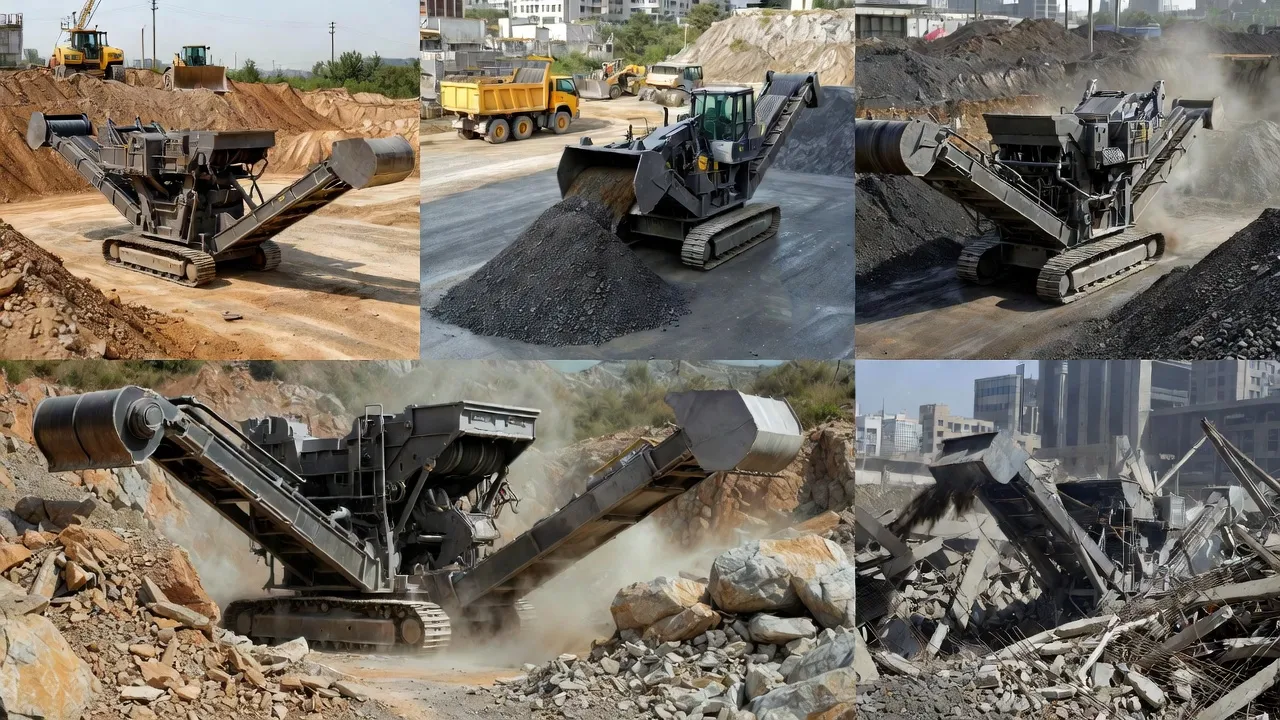
Large-scale urban renewal precincts — such as the Parramatta Light Rail corridor, the Fishermans Bend urban renewal area in Melbourne, the Northshore Hamilton Renewal precinct in Brisbane, and similar government-led urban transformation programs — involve sequential demolition and redevelopment across multiple adjacent or nearby sites over 10–20 year program timelines. These programs generate demolition waste continuously across the program period from individual sites, and simultaneously create aggregate demand for civil works construction across the same geography. A mobile stone crusher operating within the precinct — moving between demolition sites as each is cleared and between construction sites as each requires aggregate supply — creates a material exchange loop within the precinct boundary that reduces both aggregate import and waste export from the whole precinct simultaneously.
This precinct-scale material management approach is gaining traction with urban renewal authorities as a tool for meeting mandatory circular economy performance targets embedded in precinct planning frameworks. NSW Government’s Circular Economy Policy 2021, the Victorian Government’s Circular Economy (Waste Reduction and Recycling) Act 2021, and similar state frameworks are creating regulatory incentives for precinct-scale material reuse programs that a mobile crusher operation can practically deliver. A tractor stone crusher in Australia is the practical tool at the core of these programs — versatile enough to handle the varied material streams from multiple demolition sites and flexible enough to relocate within the precinct as production requirements shift.
Asphalt Pavement Recycling on Brownfield Sites
Many brownfield sites carry substantial areas of asphalt paving — internal roadways, loading dock aprons, car parks, and access tracks that serviced the industrial operations on the site. This reclaimed asphalt pavement (RAP) represents a significant recyclable material stream that is frequently overlooked in brownfield remediation planning and simply disposed of as waste alongside other demolition materials. RAP crushed to 0–40mm with a stone crusher configured for asphalt processing produces a material suitable for sub-base use in the redevelopment’s road network and car parking areas — directly displacing imported aggregate in the civil works scope that inevitably accompanies any brownfield redevelopment project.
Brownfield asphalt RAP typically has higher binder content than pavement rehabilitation RAP (because it has not been subject to the oxidative aging of a road surface under traffic), and may contain surface dressings, line markings, or fuel contamination that requires assessment before reuse. Most brownfield asphalt from clean industrial sites meets the compositional requirements for sub-base and unbound fill reuse under applicable EPA resource recovery frameworks after the same characterisation process applied to concrete RCA. Processing RAP and concrete RCA from the same site in separate crusher runs allows the two product grades to be stockpiled separately for different end-use applications within the redevelopment’s civil works program.
Financial Modelling: Brownfield Crushing Economics
Green Star and Sustainability Credentials for Brownfield Recycling Programs
Green Star — the Green Building Council of Australia’s sustainability rating system — awards credits in the Materials category for verified use of recycled construction materials, reduction of construction waste sent to landfill, and use of materials from within the local region rather than imported from distant sources. A brownfield redevelopment that can demonstrate: (a) maximum feasible demolition waste recycling through on-site crushing; (b) recycled aggregate reuse in the redevelopment’s civil works; and (c) material tracking documentation from demolition through to placement — can pursue credits across multiple Green Star criteria simultaneously from the single investment in a mobile crushing program. These credits directly support Green Star certification for the redevelopment project, which increasingly underpins commercial property sales and leasing outcomes in urban property markets where sustainability credentials affect asset values.
Watanabe’s Brownfield Redevelopment Capabilities
Australia Watanabe Tractor Stone Crusher Co., Ltd provides crushing solutions and documentation support for brownfield redevelopment projects that go beyond the standard construction demolition context. Watanabe’s understanding of contamination pre-assessment requirements, EPA resource recovery framework conditions, and circular economy reporting frameworks equips the company to support brownfield projects from initial demolition waste program planning through to post-crushing product testing documentation and Green Star or IS Rating credit evidence preparation. This complete brownfield service package — equipment plus documentation plus compliance guidance — reduces the project team’s burden of assembling crushing program compliance arrangements from first principles on each project.
Contact the Watanabe team at tractor-stone-crusher.com/contact-us/ or email [email protected] with your brownfield site details, demolition material volumes, and target product specifications for a complete brownfield crushing program proposal including equipment recommendation, compliance documentation framework, and cost comparison modelling.
Featured Product for Brownfield Redevelopment
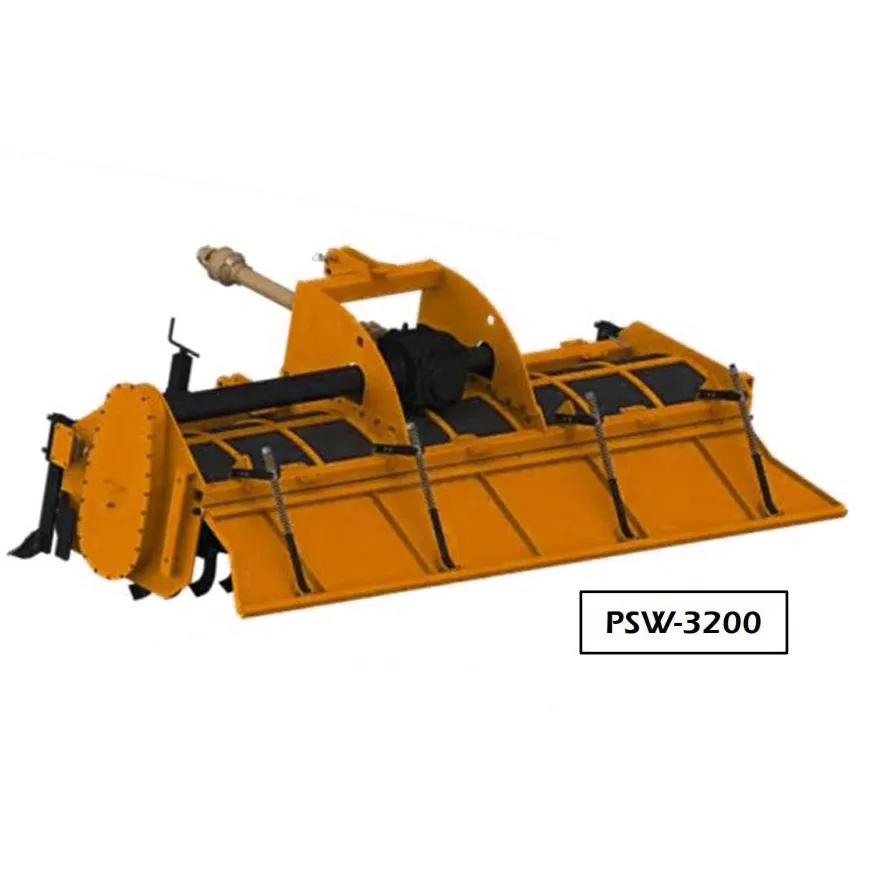
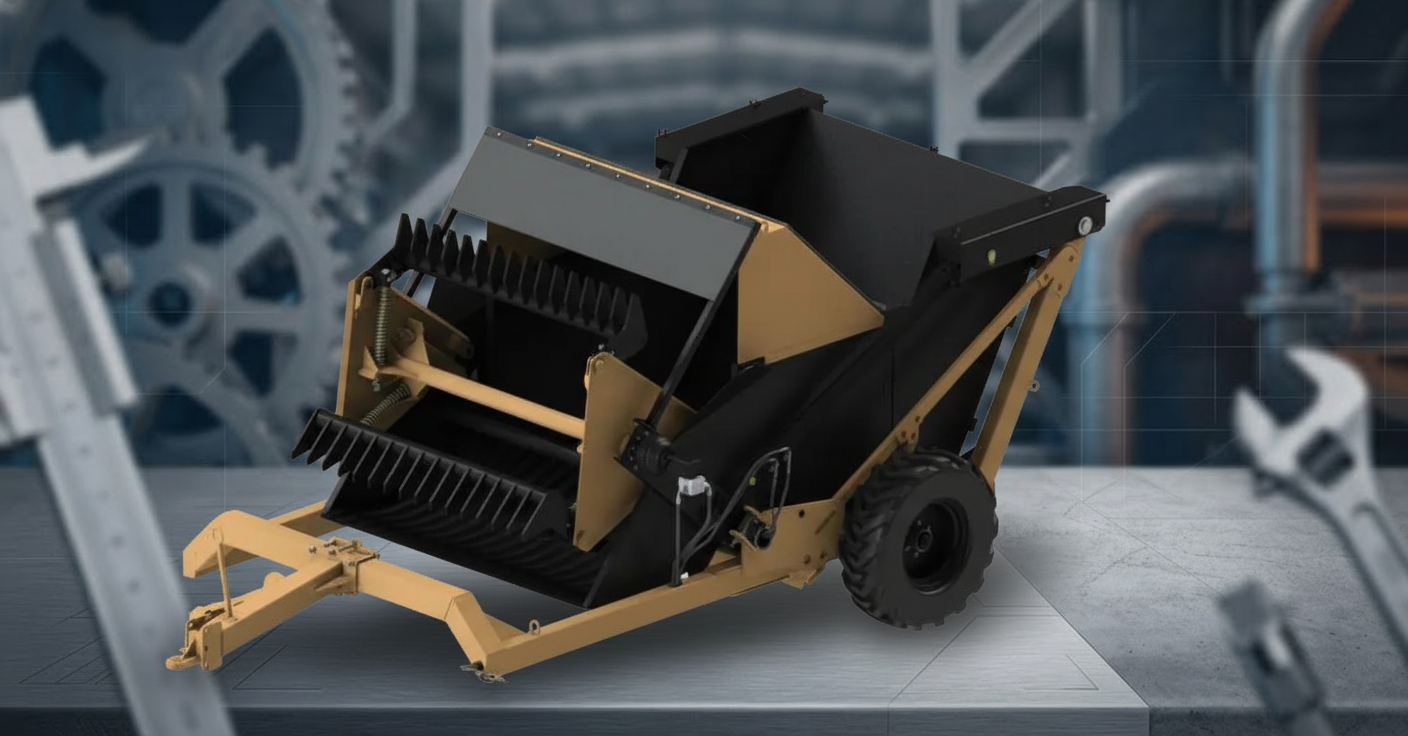
Watanabe PSW-3200 Series Stone Crusher
The PSW-3200 Series handles the demanding material streams of brownfield demolition recycling — clean concrete RCA production, asphalt RAP processing, and brick/masonry mixed recycled aggregate — at throughputs of 60–120 t/h that match the material processing rates typical of urban demolition programs. The heavy-duty rotor configuration withstands the irregular, partially embedded feed materials common in brownfield demolition contexts, and the PTO-driven design requires no electrical supply from the brownfield site’s typically limited utility connections. Complete brownfield compliance documentation package included — covering EPA resource recovery framework records, product testing templates, and Green Star / IS Rating credit evidence formats. Interchangeable screen grates 10–75mm. Australian parts and support from Condell Park NSW 2200.