
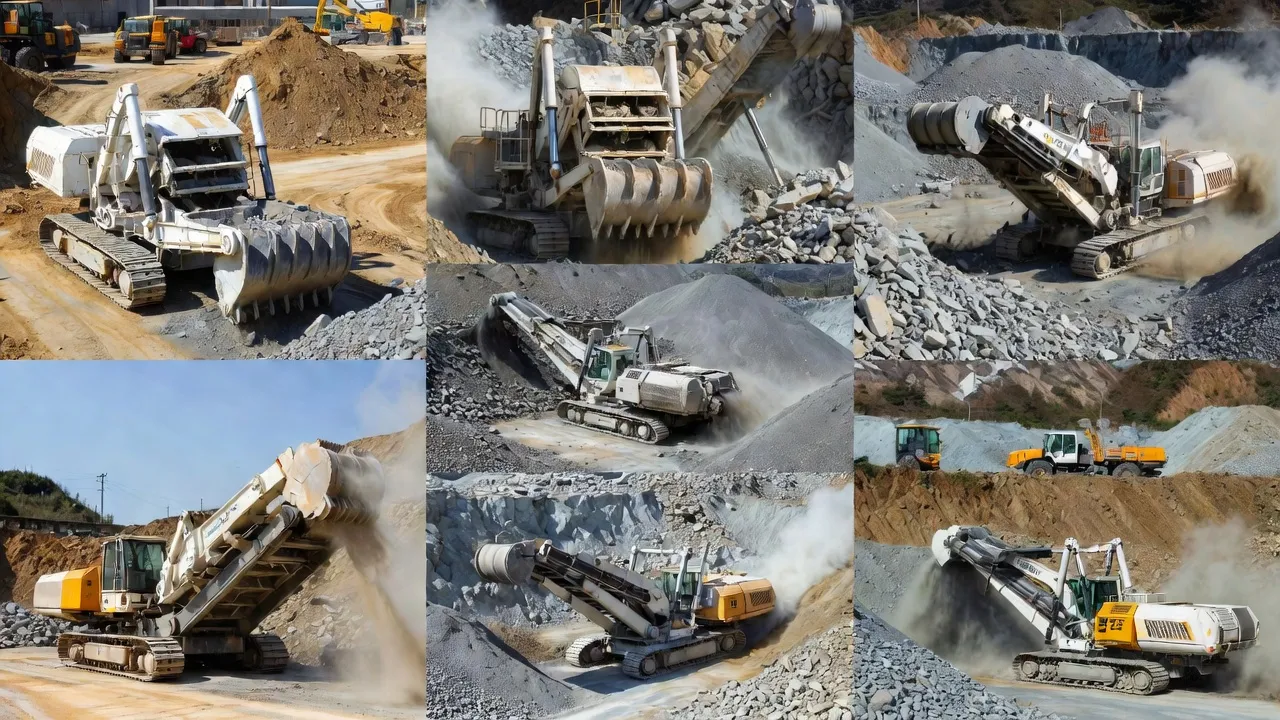
Why Manufactured Sand is Replacing Natural Sand in Australian Construction Markets
Natural river sand extraction in Australia has faced increasing regulatory restriction over the past decade, with environmental protection orders limiting extraction volumes in sensitive waterway systems across NSW, QLD, and VIC. The result is a structural supply shortfall in fine aggregate markets that manufactured sand — produced by crushing and screening suitable rock sources to the fine aggregate gradation — is filling with growing market share. Manufactured sand from correctly configured stone crushers is not a compromise substitute for natural sand: when produced from suitable rock (granite, basalt, hard limestone) with optimised crusher settings, it meets or exceeds natural sand in concrete performance, achieving higher compressive strength through its angular particle interlock versus the rounded surfaces of river sand.
This market transition creates a genuine commercial opportunity for quarry operators and agricultural land holders with access to suitable rock deposits: a properly configured portable rock crusher can produce manufactured sand at costs competitive with delivered natural sand over any meaningful production volume. Watanabe’s fine aggregate production configurations are designed specifically for this application — tuning rotor speed, screen aperture, and classifier settings to produce a consistently graded 0–5mm fine aggregate fraction that concrete producers can specify with confidence alongside natural sand supplies.
Setting Up a Manufactured Sand Production Line: Equipment Configuration and Process Flow
Primary Crushing Stage for Sand Feed Preparation
Manufactured sand production begins with feed preparation: reducing run-of-quarry rock to a consistent 20–40mm feed material before entering the fine crushing stage. This primary reduction step is critical because the fine crusher is not designed for large feed material — attempting to process 200mm+ quarry rock directly through a sand-making configuration causes excessive rotor wear, irregular product gradation, and dramatically reduced throughput. Watanabe’s medium-duty configurations perform the primary reduction step efficiently, with screen grates set at 30–40mm producing a consistent, blocky feed fraction that the fine crushing stage then reduces efficiently to the 0–5mm target gradation.
Fine Crushing and Classification for 0–5mm Product
The fine crushing stage runs at higher rotor speed than primary crushing, generating the energy density required to fracture 20–40mm feed material to the 0–5mm product specification in a single pass. Screen grate aperture selection for sand production is typically 5mm, with the finished product reporting to a classifier or vibrating screen that removes oversized particles for recirculation. The ratio of fine sand (0–2.36mm) to coarse sand (2.36–5mm) in the product depends on rotor speed: higher speeds generate more fines but also increase specific energy consumption per tonne. Watanabe’s variable-speed configurations allow operators to tune this ratio to match the grading curve required by specific concrete mix designs — a precision capability that fixed-speed competitors cannot offer.
Manufactured Sand Production — Complete Process Flow
Graded Stone Processing for Decorative and Landscaping Markets
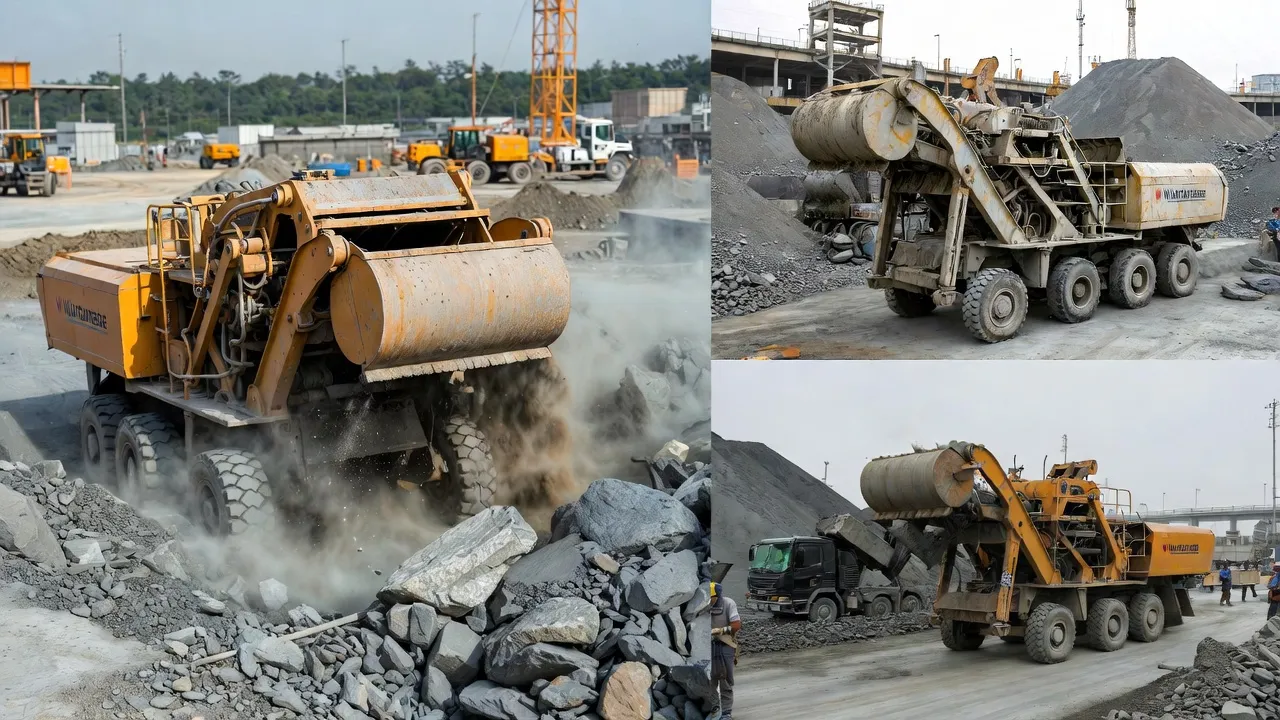
Beyond concrete and road construction aggregate, crushed stone products supply a substantial and high-value decorative and landscaping market where product appearance and consistency command premium pricing. Crushed granite pebbles, basalt chips, limestone path gravel, and decorative feature stone are sold at retail prices 3–8x higher per tonne than equivalent construction aggregate products — reflecting the value that uniform particle size, clean surfaces, and consistent colour bring to landscaping and architectural applications. A stone crusher attachment for tractor configured with fine classification screens can produce these specialty grades from suitable rock sources at production costs that justify the premium pricing structure comfortably.
Key quality factors for decorative stone production differ from construction aggregate: particle shape uniformity (round or angular, consistently one rather than a mix) is more important than compressive strength; colour consistency within a production batch matters more than LA abrasion value; and maximum clay or fines contamination tolerances are stricter because decorative stone is often placed dry where surface contamination is immediately visible. Watanabe’s screen configurations for decorative stone typically use narrow aperture bands (e.g., 14mm over 10mm to produce a 10–14mm consistent chip) with post-crushing washing for colour presentation.
Glass and Ceramic Raw Material Preparation
Glass manufacturing requires silica sand of exceptional chemical purity — generally 99.5%+ SiO₂ with strict limits on iron oxide, aluminum oxide, and other contaminants that affect glass colour, clarity, and melting characteristics. While ultra-high-purity glass-grade silica sand is sourced from specialist deposits and undergoes flotation beneficiation, a range of industrial glass and fiberglass products can tolerate silica feed with less stringent purity requirements — and these applications present a viable market for crushing-derived silica aggregate from clean, relatively pure silica rock deposits. Similarly, ceramic tile and refractory brick manufacturing consumes feldspar, silica, and alumina raw materials that can be crushed to specification from naturally occurring pegmatite, quartz, and bauxite deposits using properly configured stone crushers.
The stone crusher configuration for glass and ceramic raw material preparation prioritises contamination control over throughput rate: iron contamination from worn steel hammers is a critical concern for glass-quality silica processing, requiring either ceramic or chrome-white iron hammer compositions or careful monitoring of hammer wear state to prevent metal contamination entering the product stream. Watanabe can supply ceramic-lined crusher configurations for silica applications where iron contamination limits are below 0.05% Fe₂O₃ — a technical specification capability that distinguishes a professional manufacturer from a general equipment supplier.
Small-Scale Farm Sand and Stone Production: The Agricultural Crossover
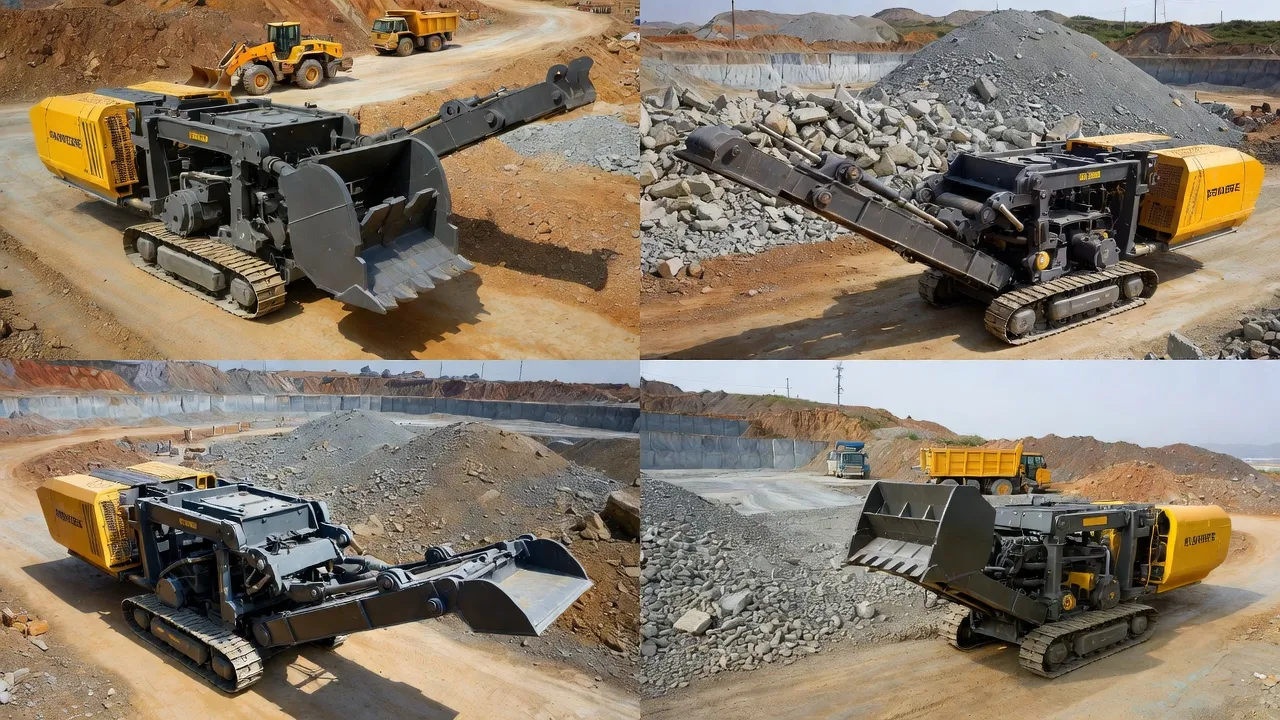
Farm-based sand and stone production sits at the intersection of agricultural land management and small-scale quarrying — an application category where Watanabe’s tractor-mounted configuration delivers its most economical value proposition. Properties with naturally occurring rock outcrops, creek gravels, or shallow stone deposits can convert this surface nuisance (rock that impedes cultivation, damages implements, and reduces pasture productivity) into a saleable commodity or a resource for on-property construction projects. A small stone crusher for sale in this context is not simply a field clearing tool — it is a production asset that generates aggregate supply for farm tracks, dam batters, building foundations, and stock water infrastructure at zero material cost beyond operating expenses.
Agricultural sand production — typically fine limestone sand for soil amelioration, pH correction, or drainage improvement — is a growing application in southern Australian cereal and viticulture regions where alkaline limestone rock occurs naturally. Rather than purchasing bagged or bulk lime through agricultural supply channels, farm operators with surface limestone access can produce their own agricultural lime and fine stone using a tractor-mounted crusher, feeding the product directly onto paddocks at application timing that suits crop rotation requirements rather than supplier availability. Cost savings versus purchased agricultural lime typically recover the crusher investment within two to four seasons for moderate-sized operations.
Product Quality Control: Achieving Consistent Gradation in Sand Production
Understanding Gradation Curves and Their Impact on Concrete Performance
Sand gradation — the particle size distribution across the 0–5mm range — is the primary quality parameter that determines concrete workability, water demand, and finished surface quality. AS 2758.1 specifies upper and lower grading limits for fine aggregate, and concrete producers typically specify a target grading curve within this band that is optimised for their specific mix designs. Deviations from the target curve in either direction carry costs: a sand too coarse in gradation requires more cement paste to fill voids, increasing cost; a sand too fine in gradation demands more water for workability, reducing strength unless water-reducing admixtures are added. Consistent gradation from the crusher — achieved through stable rotor speed, consistent feed rate, and regular screen grate inspection — is therefore directly linked to concrete production economics downstream.
Monitoring and Adjusting Crusher Settings for Gradation Control
Gradation drift in manufactured sand production is most commonly caused by three factors: hammer wear (worn hammers reduce energy transfer efficiency, producing coarser product); screen grate wear (enlarged apertures pass oversize particles); and feed rate variation (excessive feed rate reduces residence time in the crushing chamber, reducing size reduction efficiency). Watanabe recommends a daily sieve analysis sampling routine during sand production, with screen aperture checks on a weekly basis. When gradation drift is detected, the corrective action sequence is systematic: check feed rate first (easiest adjustment), then screen grate condition, then hammer wear state. This diagnostic sequence prevents unnecessary component replacement and resolves most gradation issues without mechanical intervention.
Comparing Source Rock Types for Manufactured Sand Production
Not every rock type produces equivalent manufactured sand quality, and understanding the expected output characteristics from different geological sources allows production planners to match source rock selection to market requirements before committing to a production program. The following comparison reflects typical outcomes observed in Australian manufactured sand operations — local geological variation will affect results, and initial trial crushing with sieve analysis is always recommended before full-scale production commitment.
Granite
Sand quality: ★★★★★
High compressive strength, excellent angularity, durable. Produces premium concrete sand with low AS demand. Higher hammer wear rate due to silica content. Best suited for structural concrete and high-value decorative sand.
Basalt
Sand quality: ★★★★★
Dense, very low absorption, excellent LA abrasion. Produces high-performance concrete and asphalt sand. Distinctive dark colour — preferred for certain decorative applications. Moderate hammer wear.
Limestone
Sand quality: ★★★☆☆
Soft, low wear on hammers, low production cost. Higher fines generation. Excellent for agricultural lime and mortar sand. Absorption higher than igneous rocks — limit use in high-strength structural concrete without admixture adjustment.
Portable Rock Crusher Advantages for Sand Production in Remote and Rural Locations
Sand supply in rural and remote Australia is disproportionately expensive relative to coastal urban markets simply because transport distances are larger and the number of competing suppliers is smaller. For concrete batching plants serving regional construction markets, operators in mining camp construction, and farm-based projects in inland regions, locally produced manufactured sand with a portable rock crusher fundamentally changes the economics of sand supply. A production system that generates 80–120 tonnes of manufactured sand per day from a nearby rock source can supply a regional concrete plant’s fine aggregate requirements at approximately 25–40% of the cost of trucked-in natural sand in locations beyond 200km from coastal sand deposits.
The tractor-mounted portable configuration specific to Watanabe’s product range brings an additional practical advantage in remote settings: when production at one rock source is exhausted or the project location changes, the crusher relocates on the same tractor used for production without any specialist transport equipment. This contrasts with wheeled mobile crusher plants that require route survey, over-size load permits, and low-loader transport at costs that may represent $5–15 per tonne of total production before a new site is operational — a cost impost that erases the economic advantage of remote on-site production for all but the largest volumes.
Regulatory and Market Considerations for Manufactured Sand Producers in Australia
Operators establishing a manufactured sand production program for commercial sale must navigate two distinct regulatory frameworks: mining or quarrying approvals for the rock extraction activity, and product certification requirements for supply to concrete producers. Rock extraction from land for commercial sale typically requires a mining lease or quarry approval under state mining legislation — the specific pathway depends on volume, duration, and the land tenure involved. Farm quarry exemptions exist in several states for small-scale on-property extraction (typically under 5,000 tonnes per year) that does not trigger the full mining approval process, but these vary significantly between jurisdictions.
On the product side, concrete producers purchasing manufactured sand for structural applications require product certification under a third-party quality assurance scheme (typically ACRS or equivalent) that verifies ongoing compliance with AS 2758.1 through regular sampling and testing. Establishing this certification requires an initial product assessment, documented quality management procedures, and ongoing testing costs — an investment that is only economic above approximately 20,000 tonnes per year of production volume. Below this threshold, manufactured sand is more practically sold into non-structural applications (road base, fill, landscaping) where formal product certification is not required and quality agreements between buyer and seller suffice.
Watanabe’s Sand Production Configurations: From Small-Farm Scale to Industrial Output
Australia Watanabe Tractor Stone Crusher Co., Ltd offers stone crusher configurations across the full range of sand production scales — from farm-based limestone crushing at 20–30 tonnes per hour, through to multi-stage production lines at 80–150 tonnes per hour for industrial manufactured sand supply. Each configuration recommendation is preceded by a technical assessment of source rock characteristics, target product specification, and available tractor horsepower — ensuring that the equipment supplied matches the production task precisely rather than delivering a generic unit that the buyer then has to optimise by trial and error. Watanabe’s technical sales team, operating from Condell Park NSW 2200, supports customers through the entire process: from initial rock source evaluation through to post-commissioning gradation performance verification and ongoing screen configuration advice as production scale changes.
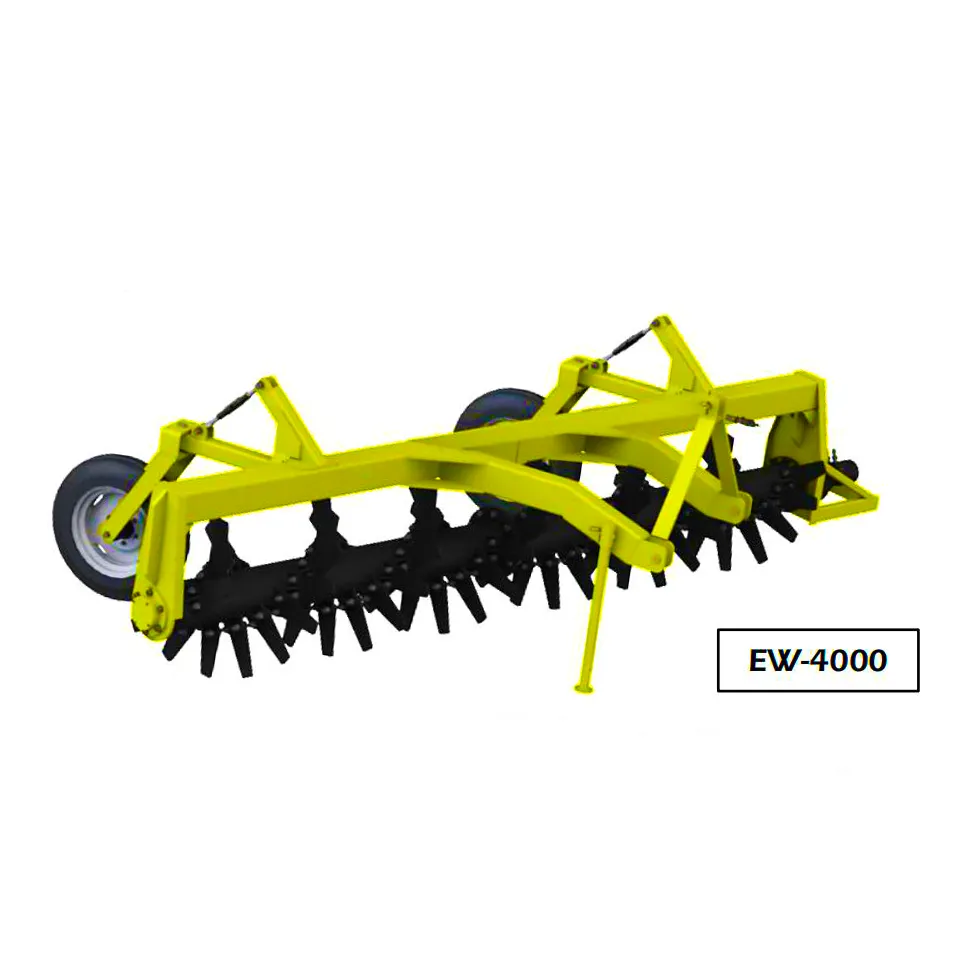
Featured Product for Sand Making and Stone Processing
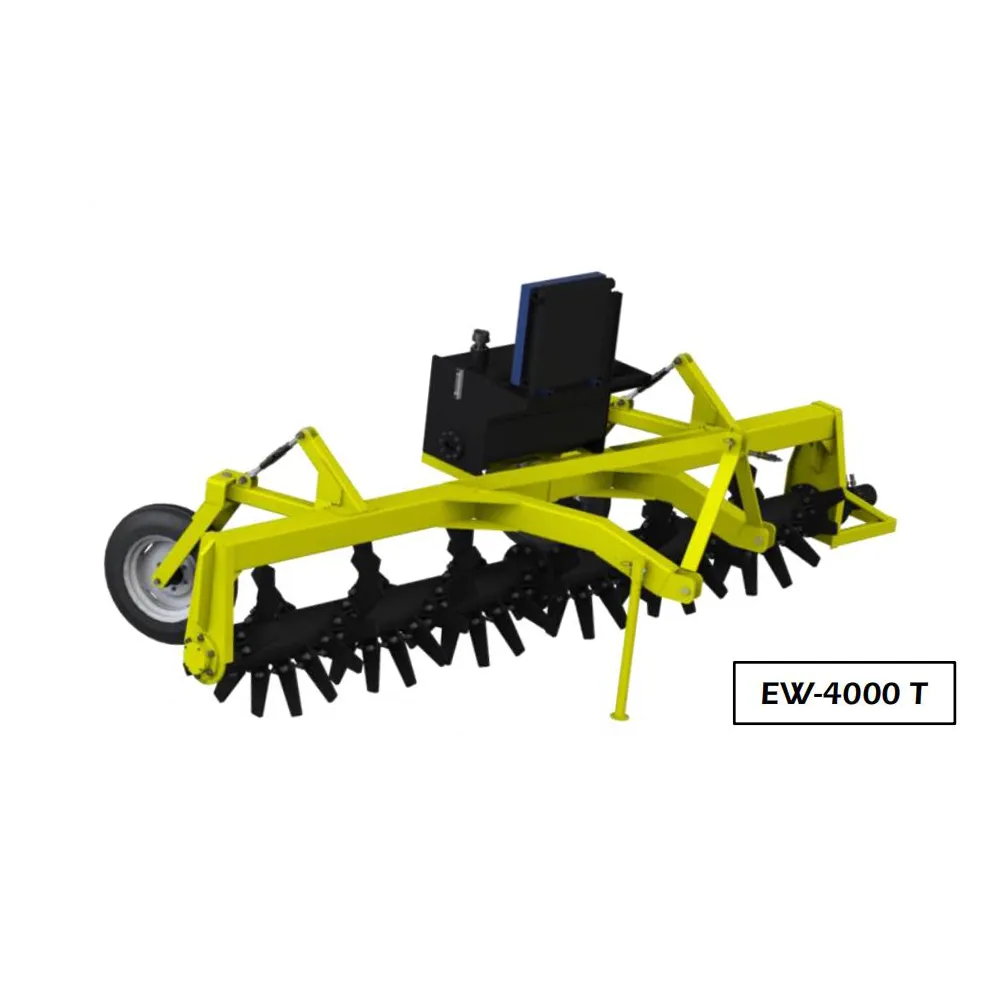
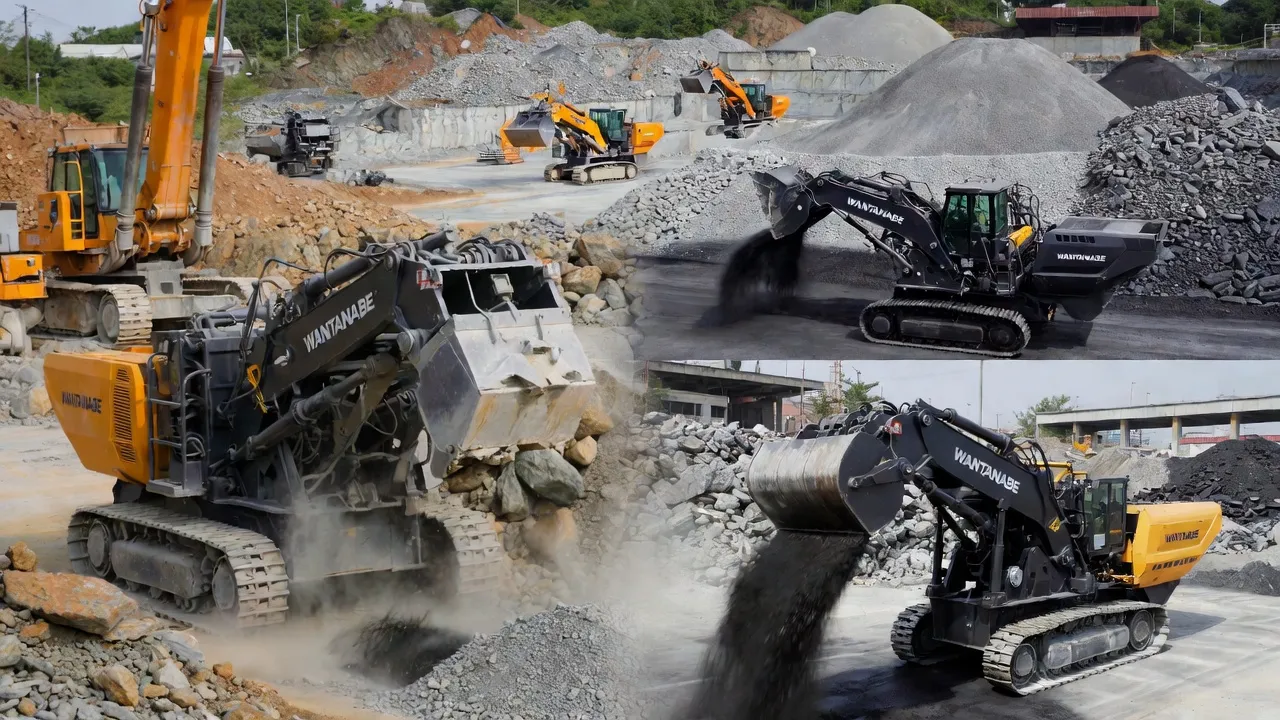
Watanabe Rock Rake EW-4000
The Rock Rake EW-4000 is Watanabe’s high-performance tractor attachment for stone and aggregate processing applications, combining rock collection, classification, and processing in a single-pass operation. Ideal for fine aggregate and sand production workflows, the EW-4000’s 4000mm working width and precision screening mechanism handles limestone, granite, and basalt source materials for manufactured sand, decorative stone, and graded aggregate production. Tractor requirement from 100HP, three-point linkage connection, PTO-driven. Screen configurations available for 0–5mm sand production through to 40mm graded aggregate. A versatile and compact solution for both small farm-scale and commercial stone processing programs.