
Why Mining Demands Purpose-Built Stone Crushers
Mining is among the most punishing environments any mechanical system can face. Ore deposits vary enormously in hardness, abrasiveness, moisture content, and particle composition — and the crushing equipment selected must handle all of these variables without excessive downtime or spiralling maintenance costs. Standard agricultural or light-duty construction crushers simply lack the structural integrity and power transmission efficiency required for consistent mine-site performance. Purpose-built stone crushers from Watanabe are engineered specifically to handle Australian field conditions, delivering reliable throughput across metal ore, non-metallic mineral, and tailings processing workflows that would disable lesser machines within weeks.
The selection of a tractor stone crusher in Australia for mining duty goes beyond simple horsepower ratings. Rotor inertia, hammer alloy grade, feed opening geometry, and chassis reinforcement all determine whether a unit can sustain continuous operation under the demanding loading cycles of ore processing. This guide examines each major mining application and the precise engineering requirements that separate a genuinely capable unit from one that will fail prematurely — and cost far more in downtime than the original price difference ever justified.
Primary Crushing of Metal Ores: Iron, Copper, and Bauxite
Feed Size and Reduction Ratios That Actually Deliver
Metal ore primary crushing typically handles run-of-mine material exceeding 600mm in diameter. The objective is to reduce this to a workable feed size for secondary grinding circuits — generally 50–100mm depending on the downstream mill configuration. Achieving a consistent reduction ratio without over-grinding (which wastes energy and generates unwanted fines) requires a crusher with precise gap adjustment, robust rotor mass, and impact blow geometry calibrated for dense, high-silica ores. Watanabe’s PSW series achieves reduction ratios of up to 8:1 in a single pass, reducing the need for multiple crushing stages and lowering capital equipment costs while maintaining product specification consistency.
Handling Variable Ore Hardness in Mixed-Feed Conditions
Iron ore registers between 6–7 on the Mohs scale, while copper ore and bauxite vary considerably depending on host rock composition. For operations processing mixed-hardness feeds — common in open-pit mines where ore and waste rock arrive together in blast batches — the crusher must handle both without constant adjustment. Watanabe’s hammer alloy selection (chromium-manganese steel, heat-treated to 55–60 HRC) is engineered for this variable hardness range. Replacement hammer costs are one of the largest operating expenses in ore crushing, and Watanabe’s extended wear life directly reduces cost-per-tonne across the production run.
Iron Ore
Mohs 6–7. High density and silica content demand heavy-duty rotor mass and premium hammer alloy. Primary crush target: 75–100mm for ball mill feed. High-inertia rotors prevent stalling under dense ore loading.
Copper Ore
Mohs 3–4 (chalcopyrite) to 6–7 (host quartzite). Hardness varies by deposit geology. Crusher must handle abrasive host rock without hammer degradation affecting softer sulphide mineral liberation.
Bauxite
Mohs 2–3 but high silica contamination in gibbsite varieties. Sticky clay fractions present screen blinding risk. Larger aperture grates (40–50mm) recommended. Moisture management critical for consistent throughput.
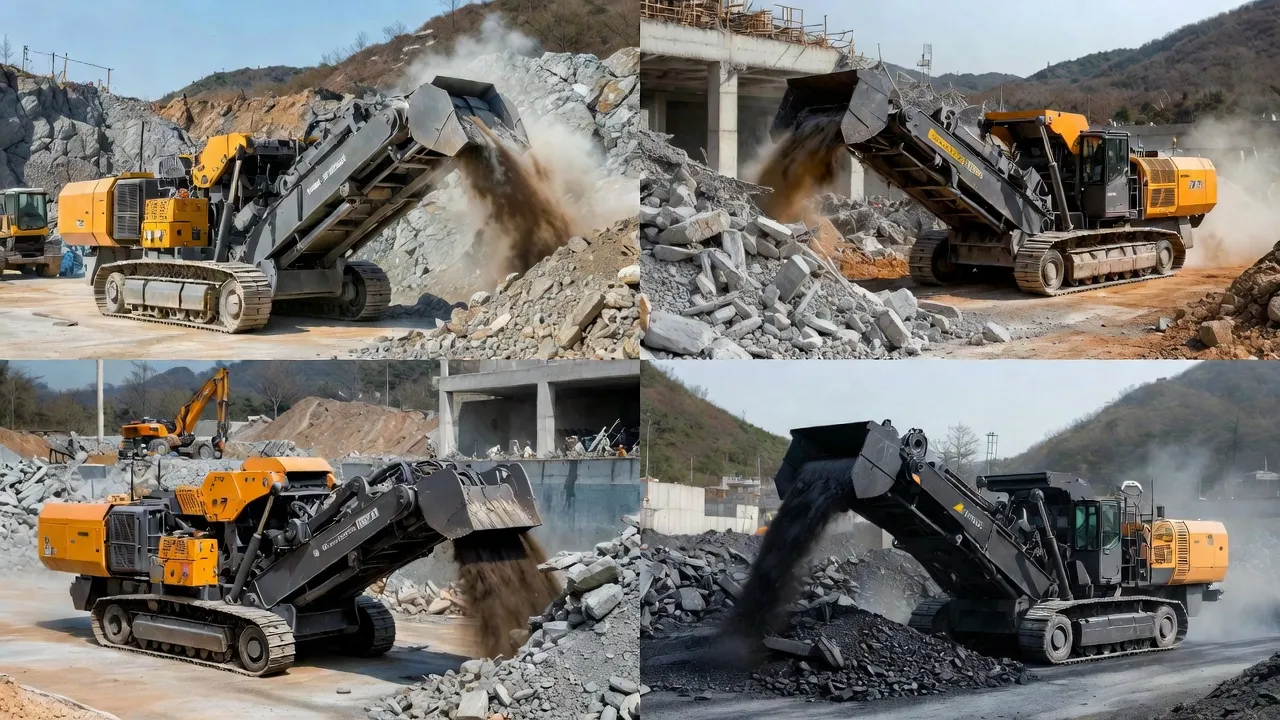
Non-Metallic Mineral Processing: Limestone, Granite, and Basalt
Non-metallic mineral extraction constitutes a significant share of Australian quarry output, with limestone, granite, and basalt supplying raw material to construction, agriculture, and industrial manufacturing. Unlike metal ore circuits — which prioritise mineral liberation — non-metallic crushing focuses on achieving specific particle size distributions, surface textures, and shape characteristics. Crushed limestone for agricultural liming must meet tight size specifications; basalt for road base requires high angularity and Los Angeles abrasion resistance below defined thresholds. A correctly specified stone crusher machine delivers these product characteristics consistently, while an undersized or misconfigured unit produces out-of-spec material that fails quality testing and costs the operator rejected loads.
Watanabe’s variable-speed drive options allow operators to tune output characteristics for different product grades without changing mechanical components — switching between a coarse road-base product and fine agricultural limestone in the same operational shift by adjusting rotor RPM and screen aperture selection. This operational flexibility is a significant productivity advantage over fixed-speed competitors in multi-product quarry environments.
Tailings Management: Converting Mine Waste into Recoverable Material
Mine tailings — the residual material left after ore processing — represent both a significant environmental liability and an underutilised resource opportunity. Australian mining regulations increasingly require operators to demonstrate active tailings management programs, and crusher-based processing offers a technically sound pathway. Dry tailings with residual mineral content can be re-crushed to liberate locked particles missed in the original grinding circuit, improving overall recovery yield. Alternatively, tailings processed through a stone crusher to 20–40mm serve as engineered fill material in void rehabilitation, directly reducing the volume requiring long-term storage impoundment — and the ongoing environmental monitoring costs that accompany it.
Beyond void fill, reprocessed tailings meeting road-base specifications have been used successfully in haul road construction within mine sites — displacing the need to import virgin aggregate and generating a genuine cost offset against the tailings management program budget. Watanabe’s technical team can assess tailings characteristics and recommend appropriate screen aperture and rotor speed configurations to match your specific reprocessing objectives.
How Does a Stone Crusher Work in a Mining Environment?
The Impact Crushing Mechanism Explained
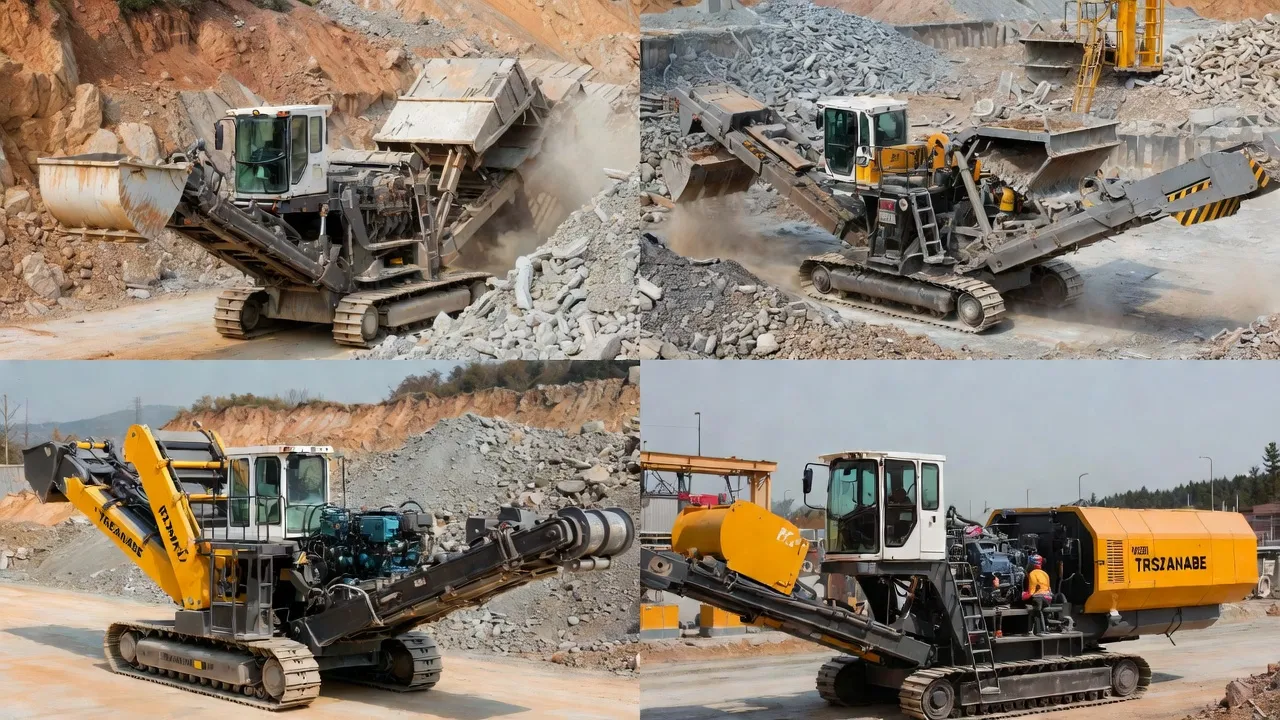
In Watanabe’s PTO-driven impact crusher configuration, power from the tractor’s power take-off shaft drives a high-inertia rotor fitted with replaceable hammers. As ore enters the feed opening, it encounters the spinning rotor where kinetic energy from the hammers fractures rock along natural cleavage planes. Material that does not reduce to target size in the first pass travels around the rotor and strikes fixed breaker plates — a secondary impact zone that further reduces oversize without a separate crushing stage. This single-pass efficiency is what makes the impact crusher configuration so valuable in mining environments where capital equipment footprint must be minimised and throughput per tractor-hour maximised.
Impact Crushing Process — Step by Step
Selecting a Stone Crusher for Mining Duty: Specification Checklist
Procurement decisions for mine-site crushers involve a more complex evaluation than standard agricultural purchases. Beyond basic throughput capacity, the following technical parameters directly affect long-term cost of ownership and operational suitability. Working through this checklist before finalising equipment selection prevents costly mismatches between the crusher specification and the actual ore characteristics encountered on site — mismatches that can render a machine unsuitable within the first operational quarter.
Safety and Regulatory Compliance on Australian Mine Sites
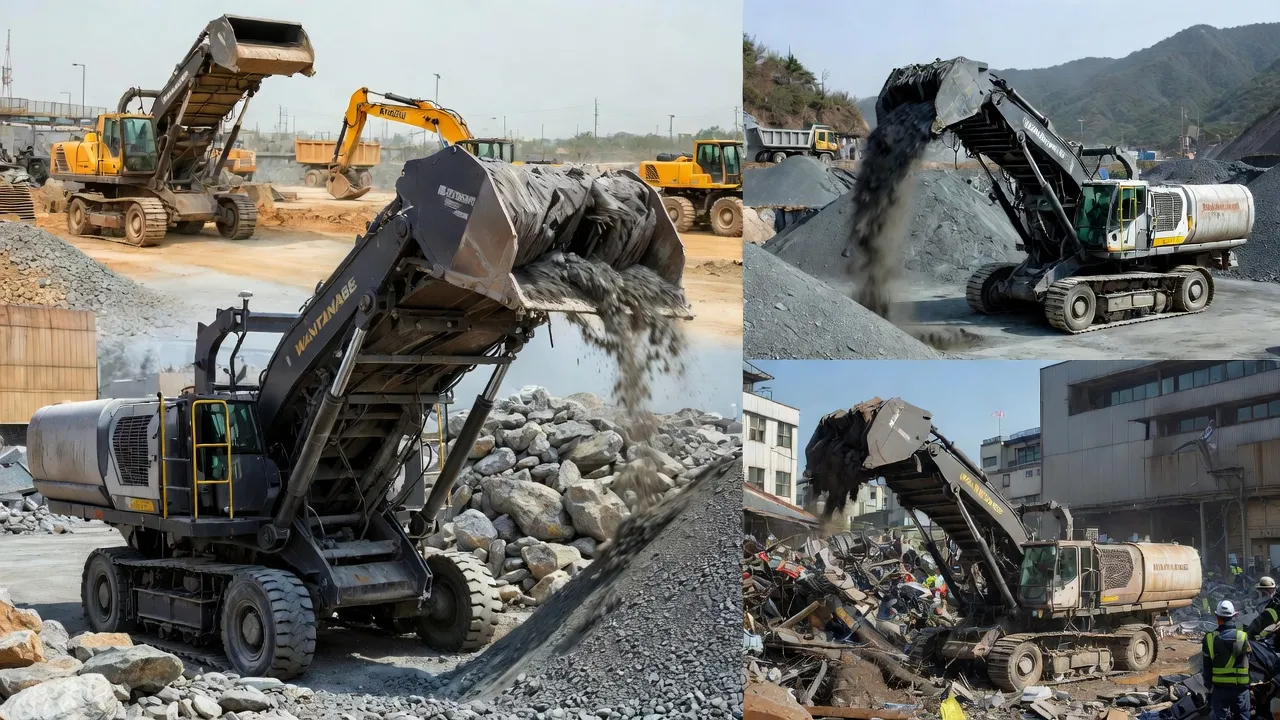
Mine-site crusher operations in Australia fall under state mining regulations and Safe Work Australia guidelines, which specify guarding requirements, isolation procedures, and operator training standards that differ significantly from general agricultural machinery use. Fixed guarding over all rotating components (minimum IP54 rating for dust ingress protection), PTO shaft guarding compliant with AS 4024.1 standards, and documented operator competency records are core requirements. Watanabe crushers are supplied with complete guarding packages meeting Australian workplace standards, reducing the compliance burden at commissioning and simplifying the equipment approval process within mine management systems.
Silica dust suppression is a separate but equally critical regulatory requirement. Fine respirable crystalline silica generated during ore crushing is classified as a Group 1 carcinogen under WHS regulations, requiring wet suppression systems, enclosed positive-pressure cabins, or appropriate respiratory protective equipment. Watanabe provides integrated water spray attachments at feed and discharge zones, helping operators achieve WES compliance without separate dust control infrastructure — a genuine cost reduction versus retrofitting dust control equipment on units not originally designed for it.
Why Australian Mining Operations Trust Watanabe Stone Crushers
Australia’s mining sector places extraordinary demands on equipment suppliers: remote site access, extreme temperature swings between wet and dry seasons, minimal on-site maintenance capability, and strict regulatory oversight all create an operating environment that separates genuinely robust equipment from machinery that merely looks capable in a specification sheet. Watanabe designs around these Australian field conditions specifically — incorporating sealed bearing housings rated for dusty environments, heavy-gauge chassis plate (10–12mm fabricated steel) that withstands rough terrain haulage between pit areas, and simplified hammer replacement procedures that any trained operator can complete on-site without specialist tooling.
Parts availability is a decisive factor for remote operations. Watanabe maintains a warehouse in Condell Park, NSW, with fast-turnaround supply chains for high-wear components — hammers, screen grates, and bearing assemblies — to minimise production stoppages. Operators running the Watanabe PSW-3200 Series stone crusher across Queensland and Western Australian mine sites regularly report hammer replacement windows under four hours — a practical measure of design quality that translates directly to sustained daily production output.
Maintenance Protocols for Mine-Site Stone Crusher Operations
Maintaining a stone crusher in continuous mining service requires a structured preventive maintenance schedule that accounts for the accelerated wear rates imposed by abrasive ore material. Unlike general field applications, mine-site crushers often run 8–16 hours daily at maximum capacity — compressing component wear that would occur over months of agricultural use into weeks of mining operation. Watanabe’s recommended maintenance intervals for mine-duty service are adjusted accordingly: hammer inspections every 50 operating hours versus 200 hours in standard agricultural service; bearing temperature monitoring after each shift; and screen grate dimensional checks weekly to detect wear before out-of-spec product reaches downstream circuits and causes process disruption.
Environmental Compliance in Crusher Operations: Dust, Noise, and Runoff
Australian mining operations face increasing pressure to reduce environmental footprint across all operational stages, including crushing. Key compliance areas include silica dust management under the WHS Act 2011 and associated Codes of Practice; noise attenuation under state Environmental Protection regulations; and stormwater quality management to prevent crushed material fines from entering local waterways. Watanabe crushers address these requirements through standard dust suppression ports, optional acoustic dampening panels, and chassis designs that minimise material spillage during operation. On-site crushing also reduces haul road traffic compared to transporting raw ore to fixed processing plants — lowering both fuel consumption and road damage costs, which are genuine and often undervalued contributions to operational sustainability reporting.
Featured Product for Mining Applications
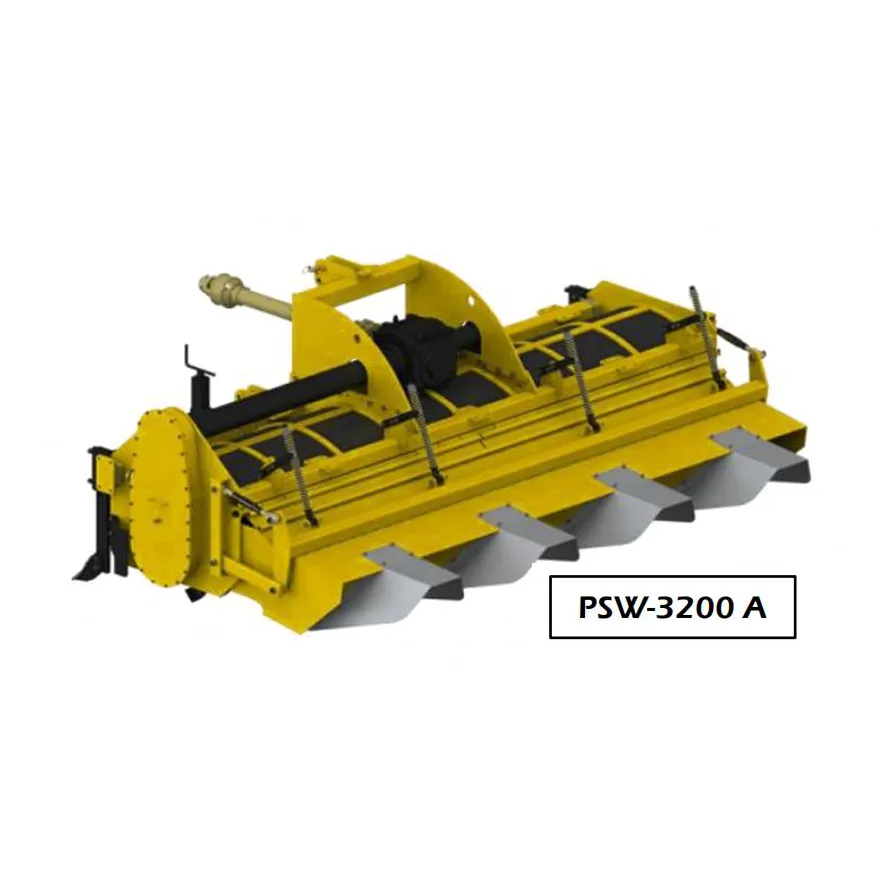
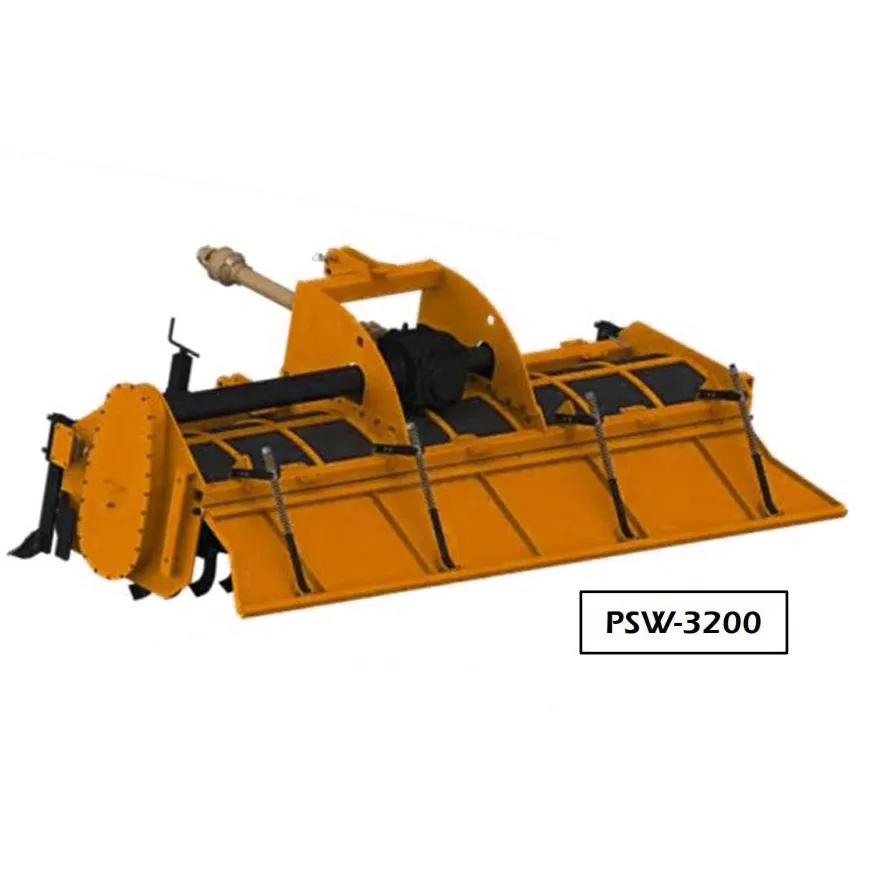
Watanabe PSW-3200 Series Stone Crusher
The PSW-3200 is Watanabe’s flagship heavy-duty stone crusher, purpose-built for mine-site and quarry primary crushing. With a 3200mm working width, high-inertia rotor, and field-replaceable chromium-manganese hammers, it handles iron ore, copper ore, limestone, granite, and basalt in demanding continuous-duty cycles. PTO-driven configuration suits remote sites without electrical power. Screen grate sets from 10–50mm available for rapid product size reconfiguration. Tractor requirement from 130HP. Backed by Watanabe’s NSW-based parts supply network.