Γιατί η εξόρυξη απαιτεί ειδικά κατασκευασμένους θραυστήρες πέτρας
Η εξόρυξη είναι από τα πιο απαιτητικά περιβάλλοντα που μπορεί να αντιμετωπίσει οποιοδήποτε μηχανικό σύστημα. Τα κοιτάσματα μεταλλευμάτων ποικίλλουν σε μεγάλο βαθμό ως προς τη σκληρότητα, την λειαντικότητα, την περιεκτικότητα σε υγρασία και τη σύνθεση των σωματιδίων — και ο επιλεγμένος εξοπλισμός θραύσης πρέπει να χειρίζεται όλες αυτές τις μεταβλητές χωρίς υπερβολικό χρόνο διακοπής λειτουργίας ή αυξανόμενο κόστος συντήρησης. Οι τυπικοί γεωργικοί ή ελαφροί θραυστήρες κατασκευών απλώς δεν διαθέτουν τη δομική ακεραιότητα και την απόδοση μετάδοσης ισχύος που απαιτούνται για συνεπή απόδοση στο ορυχείο. Οι ειδικά κατασκευασμένοι θραυστήρες πέτρας από το Watanabe έχουν σχεδιαστεί ειδικά για να χειρίζονται τις συνθήκες πεδίου της Αυστραλίας, παρέχοντας αξιόπιστη απόδοση σε ροές εργασίας επεξεργασίας μεταλλευμάτων, μη μεταλλικών ορυκτών και αποβλήτων που θα απενεργοποιούσαν μικρότερα μηχανήματα μέσα σε λίγες εβδομάδες.
Η επιλογή ενός τρακτέρ θραυστήρα πέτρας στην Αυστραλία Για την εξορυκτική χρήση, η αδράνεια του ρότορα, η ποιότητα του κράματος σφύρας, η γεωμετρία του ανοίγματος τροφοδοσίας και η ενίσχυση του πλαισίου καθορίζουν εάν μια μονάδα μπορεί να διατηρήσει συνεχή λειτουργία υπό τους απαιτητικούς κύκλους φόρτωσης της επεξεργασίας μεταλλεύματος. Αυτός ο οδηγός εξετάζει κάθε σημαντική εφαρμογή εξόρυξης και τις ακριβείς μηχανικές απαιτήσεις που διαχωρίζουν μια πραγματικά ικανή μονάδα από μια που θα παρουσιάσει πρόωρη βλάβη — και θα κοστίσει πολύ περισσότερο σε χρόνο διακοπής λειτουργίας από ό,τι δικαιολογούσε ποτέ η αρχική διαφορά τιμής.
Πρωτογενής σύνθλιψη μεταλλευμάτων: σίδηρος, χαλκός και βωξίτης
Μέγεθος τροφής και αναλογίες μείωσης που πραγματικά αποδίδουν
Η πρωτογενής θραύση μεταλλευμάτων συνήθως χειρίζεται υλικό που προέρχεται από ορυχείο με διάμετρο που υπερβαίνει τα 600 mm. Στόχος είναι η μείωση αυτού του μεγέθους σε ένα λειτουργικό μέγεθος τροφοδοσίας για κυκλώματα δευτερογενούς άλεσης — γενικά 50-100 mm ανάλογα με τη διαμόρφωση του μύλου κατάντη. Η επίτευξη ενός συνεπούς λόγου μείωσης χωρίς υπερβολική άλεση (η οποία σπαταλά ενέργεια και παράγει ανεπιθύμητα λεπτά σωματίδια) απαιτεί έναν θραυστήρα με ακριβή ρύθμιση διακένου, στιβαρή μάζα ρότορα και γεωμετρία κρουστικής εμφύσησης βαθμονομημένη για πυκνά μεταλλεύματα υψηλής περιεκτικότητας σε πυρίτιο. Η σειρά PSW της Watanabe επιτυγχάνει λόγους μείωσης έως και 8:1 με ένα μόνο πέρασμα, μειώνοντας την ανάγκη για πολλαπλά στάδια θραύσης και μειώνοντας το κόστος κεφαλαιουχικού εξοπλισμού, διατηρώντας παράλληλα τη συνέπεια των προδιαγραφών του προϊόντος.
Χειρισμός Μεταβλητής Σκληρότητας Μεταλλεύματος σε Συνθήκες Μικτής Τροφοδοσίας
Το σιδηρομετάλλευμα καταγράφει βαθμολογία μεταξύ 6-7 στην κλίμακα Mohs, ενώ το χαλκό και ο βωξίτης ποικίλλουν σημαντικά ανάλογα με τη σύνθεση του πετρώματος υποδοχής. Για τις εργασίες επεξεργασίας πρώτων υλών μικτής σκληρότητας - συνηθισμένη σε ορυχεία ανοιχτού φρέατος όπου το μετάλλευμα και τα απόβλητα φθάνουν μαζί σε παρτίδες εκτόξευσης - ο θραυστήρας πρέπει να χειρίζεται και τα δύο χωρίς συνεχή ρύθμιση. Η επιλογή κράματος σφυριού της Watanabe (χάλυβας χρωμίου-μαγγανίου, θερμικά επεξεργασμένος σε 55-60 HRC) έχει σχεδιαστεί για αυτό το μεταβλητό εύρος σκληρότητας. Το κόστος αντικατάστασης σφυριού είναι ένα από τα μεγαλύτερα λειτουργικά έξοδα στη θραύση μεταλλευμάτων και η παρατεταμένη διάρκεια ζωής της Watanabe μειώνει άμεσα το κόστος ανά τόνο σε όλη τη διάρκεια παραγωγής.
Σιδηρομετάλλευμα
Mohs 6–7. Η υψηλή πυκνότητα και η περιεκτικότητα σε πυρίτιο απαιτούν μάζα ρότορα βαρέως τύπου και κράμα σφυριού υψηλής ποιότητας. Κύριος στόχος σύνθλιψης: 75–100 mm για τροφοδοσία σφαιρόμυλου. Οι ρότορες υψηλής αδράνειας αποτρέπουν την απώλεια στήριξης υπό πυκνή φόρτωση μεταλλεύματος.
Χαλκός
Mohs 3–4 (χαλκοπυρίτης) έως 6–7 (χαλαζίτης υποδοχής). Η σκληρότητα ποικίλλει ανάλογα με τη γεωλογία του κοιτάσματος. Ο θραυστήρας πρέπει να χειρίζεται το λειαντικό πέτρωμα υποδοχής χωρίς υποβάθμιση με σφυρί, επηρεάζοντας την απελευθέρωση μαλακότερων θειούχων ορυκτών.
Βωξίτης
Mohs 2–3 αλλά υψηλή μόλυνση από πυρίτιο σε ποικιλίες γιβσίτη. Τα κολλώδη κλάσματα αργίλου παρουσιάζουν κίνδυνο τυφλοποίησης του πετάσματος. Συνιστώνται σχάρες με μεγαλύτερο άνοιγμα (40–50 mm). Η διαχείριση της υγρασίας είναι κρίσιμη για συνεπή απόδοση.
Επεξεργασία μη μεταλλικών ορυκτών: Ασβεστόλιθος, γρανίτης και βασάλτης
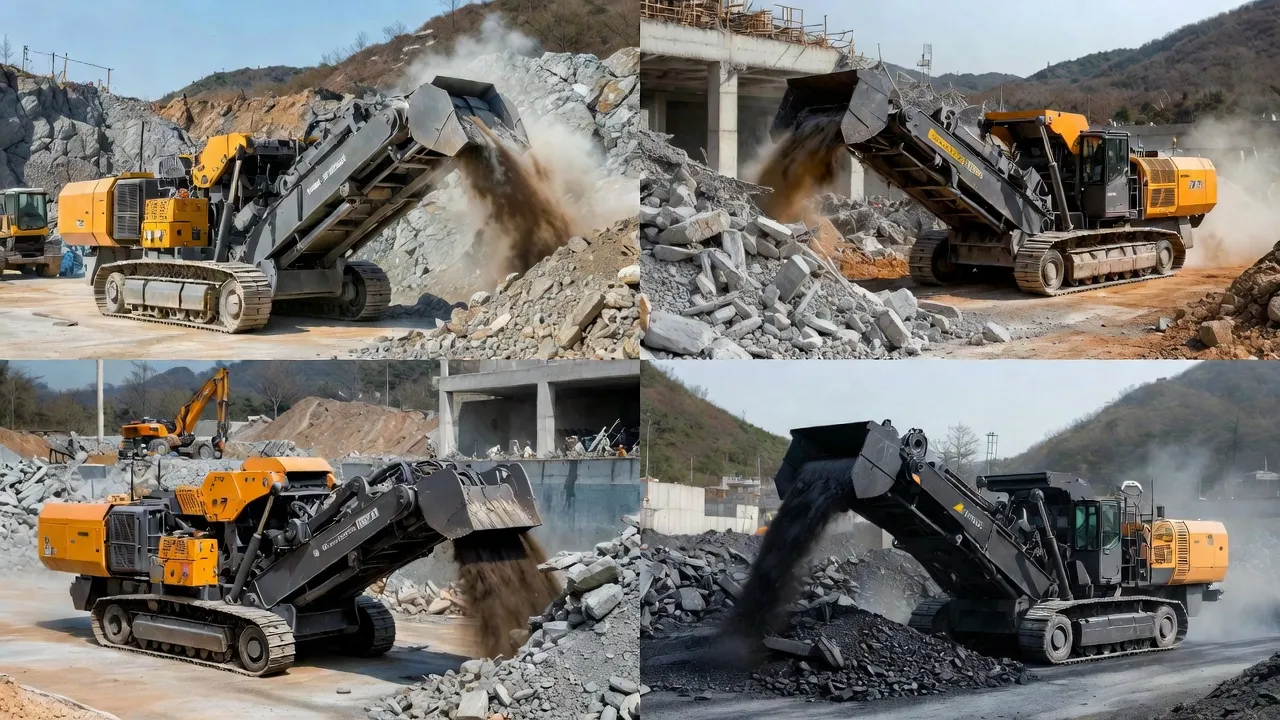
Η εξόρυξη μη μεταλλικών ορυκτών αποτελεί σημαντικό μερίδιο της παραγωγής λατομείων της Αυστραλίας, με τον ασβεστόλιθο, τον γρανίτη και τον βασάλτη να παρέχουν πρώτες ύλες στις κατασκευές, τη γεωργία και τη βιομηχανική παραγωγή. Σε αντίθεση με τα κυκλώματα μεταλλικών μεταλλευμάτων — τα οποία δίνουν προτεραιότητα στην απελευθέρωση ορυκτών — η θραύση μη μεταλλικών ορυκτών επικεντρώνεται στην επίτευξη συγκεκριμένων κατανομών μεγέθους σωματιδίων, υφών επιφάνειας και χαρακτηριστικών σχήματος. Ο θρυμματισμένος ασβεστόλιθος για γεωργική ασβέστωση πρέπει να πληροί αυστηρές προδιαγραφές μεγέθους. Ο βασάλτης για τη βάση των δρόμων απαιτεί υψηλή γωνιότητα και αντοχή στην τριβή του Λος Άντζελες κάτω από τα καθορισμένα όρια. Μια σωστά καθορισμένη μηχανή θραύσης πέτρας παρέχει αυτά τα χαρακτηριστικά προϊόντος με συνέπεια, ενώ μια μονάδα με μικρό μέγεθος ή λανθασμένη διαμόρφωση παράγει υλικό εκτός προδιαγραφών που αποτυγχάνει στις δοκιμές ποιότητας και κοστίζει στον χειριστή απορριφθέντα φορτία.
Οι επιλογές μετάδοσης κίνησης μεταβλητής ταχύτητας της Watanabe επιτρέπουν στους χειριστές να ρυθμίζουν τα χαρακτηριστικά εξόδου για διαφορετικές ποιότητες προϊόντων χωρίς να αλλάζουν τα μηχανικά εξαρτήματα — εναλλάσσοντας μεταξύ ενός χονδροειδούς προϊόντος οδικής βάσης και ενός λεπτού γεωργικού ασβεστόλιθου στην ίδια λειτουργική βάρδια, ρυθμίζοντας τις στροφές του ρότορα και την επιλογή ανοίγματος κόσκινου. Αυτή η λειτουργική ευελιξία αποτελεί σημαντικό πλεονέκτημα παραγωγικότητας έναντι των ανταγωνιστών σταθερής ταχύτητας σε περιβάλλοντα λατομείων πολλαπλών προϊόντων.
Διαχείριση Αποβλήτων: Μετατροπή Αποβλήτων Μεταλλείων σε Ανακτήσιμο Υλικό
Τα απόβλητα των ορυχείων — το υπολειμματικό υλικό που απομένει μετά την επεξεργασία του μεταλλεύματος — αντιπροσωπεύουν τόσο μια σημαντική περιβαλλοντική ευθύνη όσο και μια υποαξιοποιημένη ευκαιρία πόρων. Οι αυστραλιανοί κανονισμοί εξόρυξης απαιτούν όλο και περισσότερο από τους φορείς εκμετάλλευσης να επιδεικνύουν ενεργά προγράμματα διαχείρισης των απόβλητων, και η επεξεργασία με βάση τον θραυστήρα προσφέρει μια τεχνικά ορθή οδό. Τα ξηρά απόβλητα με υπολειμματική περιεκτικότητα σε ορυκτά μπορούν να επαναθραυστούν για να απελευθερωθούν τα κλειδωμένα σωματίδια που χάθηκαν στο αρχικό κύκλωμα άλεσης, βελτιώνοντας τη συνολική απόδοση ανάκτησης. Εναλλακτικά, τα απόβλητα που υποβάλλονται σε επεξεργασία μέσω ενός θραυστήρα πέτρας σε μέγεθος 20-40 mm χρησιμεύουν ως υλικό πλήρωσης για την αποκατάσταση κενών, μειώνοντας άμεσα τον όγκο που απαιτεί μακροχρόνια αποθήκευση και το συνεχές κόστος περιβαλλοντικής παρακολούθησης που τη συνοδεύει.
Πέρα από την πλήρωση κενών, τα επανεπεξεργασμένα απορρίμματα που πληρούν τις προδιαγραφές του οδοστρώματος έχουν χρησιμοποιηθεί με επιτυχία στην κατασκευή οδοποιίας εντός των ορυχείων — εκτοπίζοντας την ανάγκη εισαγωγής παρθένων αδρανών υλικών και δημιουργώντας μια πραγματική αντιστάθμιση κόστους σε σχέση με τον προϋπολογισμό του προγράμματος διαχείρισης απορριμμάτων. Η τεχνική ομάδα της Watanabe μπορεί να αξιολογήσει τα χαρακτηριστικά των απορριμμάτων και να προτείνει κατάλληλες διαμορφώσεις ανοίγματος κόσκινου και ταχύτητας ρότορα που να ταιριάζουν με τους συγκεκριμένους στόχους επανεπεξεργασίας σας.
Πώς λειτουργεί ένας θραυστήρας πέτρας σε ένα μεταλλευτικό περιβάλλον;
Ο μηχανισμός σύνθλιψης με κρούση εξηγείται
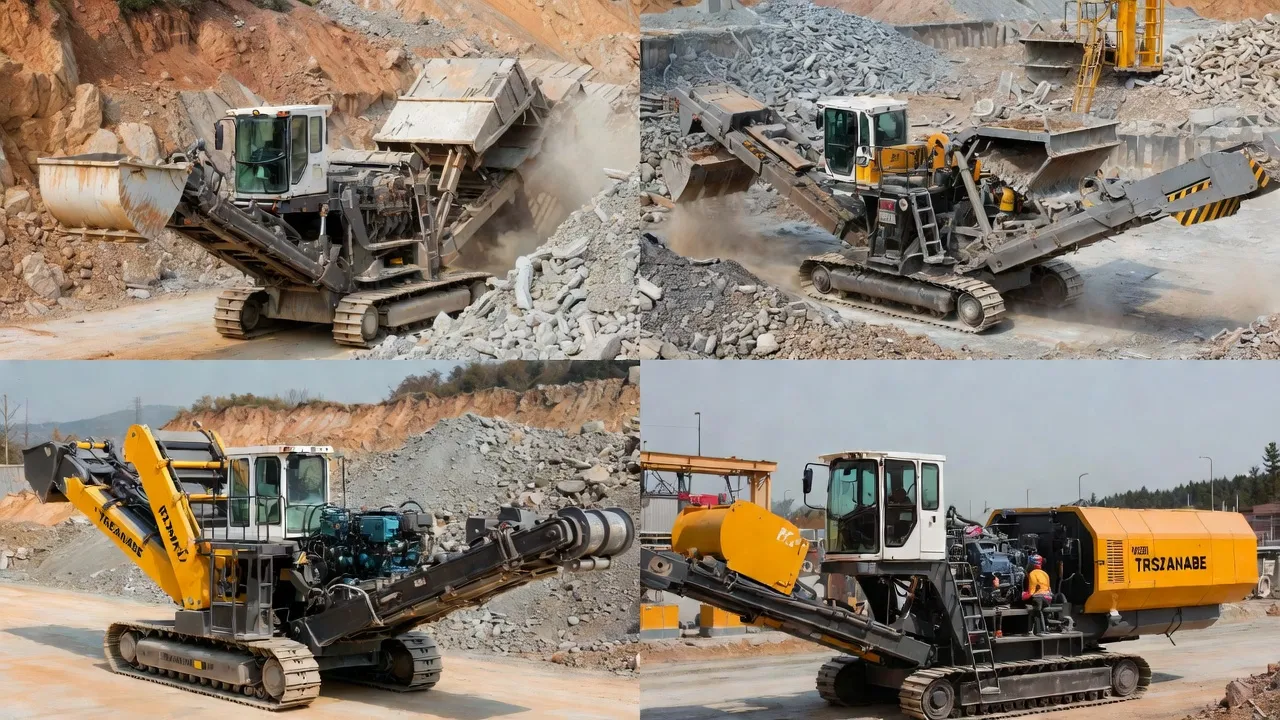
Στη διαμόρφωση του θραυστήρα κρούσης με κίνηση από δυναμοδότη (PTO) της Watanabe, η ισχύς από τον άξονα λήψης ισχύος του τρακτέρ κινεί έναν ρότορα υψηλής αδράνειας εξοπλισμένο με αντικαταστάσιμες σφύρες. Καθώς το μετάλλευμα εισέρχεται στο άνοιγμα τροφοδοσίας, συναντά τον περιστρεφόμενο ρότορα όπου η κινητική ενέργεια από τις σφύρες σπάει κατά μήκος των φυσικών επιπέδων διάσπασης. Το υλικό που δεν μειώνεται στο μέγεθος-στόχο στο πρώτο πέρασμα ταξιδεύει γύρω από τον ρότορα και χτυπά σταθερές πλάκες θραύσης - μια δευτερεύουσα ζώνη κρούσης που μειώνει περαιτέρω το υπερμέγεθος χωρίς ξεχωριστό στάδιο σύνθλιψης. Αυτή η απόδοση ενός περάσματος είναι αυτό που καθιστά τη διαμόρφωση του θραυστήρα κρούσης τόσο πολύτιμη σε περιβάλλοντα εξόρυξης όπου το αποτύπωμα του κεφαλαιουχικού εξοπλισμού πρέπει να ελαχιστοποιηθεί και η απόδοση ανά ώρα τρακτέρ να μεγιστοποιηθεί.
Διαδικασία κρουστικής σύνθλιψης — Βήμα προς βήμα
Επιλογή θραυστήρα πέτρας για εξορυκτική εργασία: Λίστα ελέγχου προδιαγραφών
Οι αποφάσεις προμήθειας για θραυστήρες σε εργοτάξια ορυχείων περιλαμβάνουν μια πιο περίπλοκη αξιολόγηση από τις τυπικές αγορές γεωργικών προϊόντων. Πέρα από τη βασική δυναμικότητα παραγωγής, οι ακόλουθες τεχνικές παράμετροι επηρεάζουν άμεσα το μακροπρόθεσμο κόστος ιδιοκτησίας και την καταλληλότητα λειτουργίας. Η επεξεργασία αυτής της λίστας ελέγχου πριν από την οριστικοποίηση της επιλογής εξοπλισμού αποτρέπει δαπανηρές αναντιστοιχίες μεταξύ των προδιαγραφών του θραυστήρα και των πραγματικών χαρακτηριστικών του μεταλλεύματος που συναντώνται στο εργοτάξιο — αναντιστοιχίες που μπορούν να καταστήσουν ένα μηχάνημα ακατάλληλο εντός του πρώτου τριμήνου λειτουργίας.
Ασφάλεια και συμμόρφωση με τους κανονισμούς σε ορυχεία στην Αυστραλία
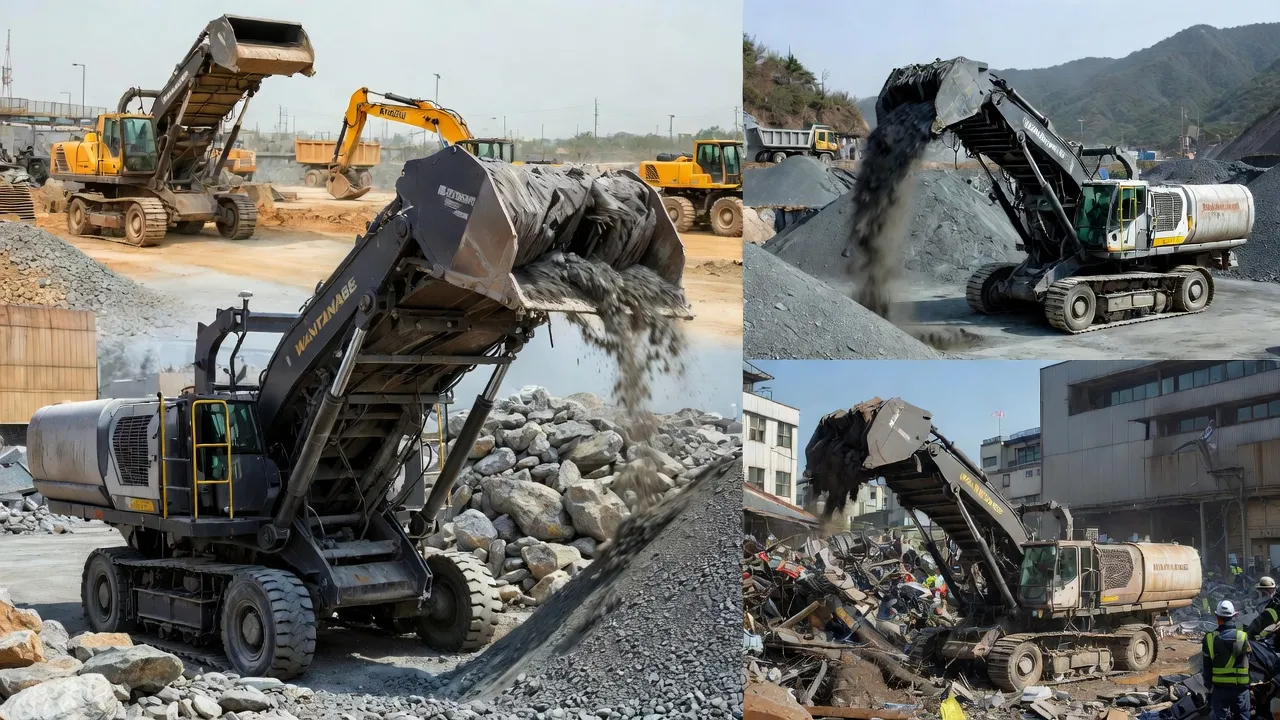
Οι λειτουργίες θραυστήρων σε ορυχεία στην Αυστραλία εμπίπτουν στους κρατικούς κανονισμούς εξόρυξης και στις οδηγίες Safe Work Australia, οι οποίες καθορίζουν τις απαιτήσεις προστασίας, τις διαδικασίες απομόνωσης και τα πρότυπα εκπαίδευσης χειριστών που διαφέρουν σημαντικά από τη γενική χρήση γεωργικών μηχανημάτων. Η σταθερή προστασία σε όλα τα περιστρεφόμενα εξαρτήματα (ελάχιστη βαθμολογία IP54 για προστασία από την εισροή σκόνης), η προστασία του άξονα PTO που συμμορφώνεται με τα πρότυπα AS 4024.1 και τα τεκμηριωμένα αρχεία ικανότητας χειριστή αποτελούν βασικές απαιτήσεις. Οι θραυστήρες Watanabe παρέχονται με πλήρη πακέτα προστασίας που πληρούν τα αυστραλιανά πρότυπα εργασίας, μειώνοντας το βάρος συμμόρφωσης κατά την έναρξη λειτουργίας και απλοποιώντας τη διαδικασία έγκρισης εξοπλισμού στα συστήματα διαχείρισης ορυχείων.
Η καταστολή της σκόνης πυριτίου αποτελεί ξεχωριστή αλλά εξίσου κρίσιμη κανονιστική απαίτηση. Το λεπτό εισπνεύσιμο κρυσταλλικό πυρίτιο που παράγεται κατά τη σύνθλιψη του μεταλλεύματος ταξινομείται ως καρκινογόνο Ομάδας 1 σύμφωνα με τους κανονισμούς WHS, απαιτώντας συστήματα υγρής καταστολής, κλειστές καμπίνες θετικής πίεσης ή κατάλληλο αναπνευστικό προστατευτικό εξοπλισμό. Η Watanabe παρέχει ενσωματωμένα εξαρτήματα ψεκασμού νερού στις ζώνες τροφοδοσίας και εκκένωσης, βοηθώντας τους χειριστές να επιτύχουν συμμόρφωση με το WES χωρίς ξεχωριστή υποδομή ελέγχου σκόνης — μια πραγματική μείωση του κόστους σε σχέση με την εκ των υστέρων τοποθέτηση εξοπλισμού ελέγχου σκόνης σε μονάδες που δεν είχαν σχεδιαστεί αρχικά για αυτόν.
Γιατί η Australian Mining Operations εμπιστεύεται την Watanabe Stone Crushers; ...
Ο μεταλλευτικός τομέας της Αυστραλίας θέτει εξαιρετικές απαιτήσεις στους προμηθευτές εξοπλισμού: η απομακρυσμένη πρόσβαση στο εργοτάξιο, οι ακραίες διακυμάνσεις της θερμοκρασίας μεταξύ υγρών και ξηρών εποχών, η ελάχιστη δυνατότητα συντήρησης επί τόπου και η αυστηρή κανονιστική εποπτεία δημιουργούν ένα λειτουργικό περιβάλλον που διαχωρίζει τον πραγματικά στιβαρό εξοπλισμό από τα μηχανήματα που απλώς φαίνονται ικανά σε ένα φύλλο προδιαγραφών. Ο Watanabe σχεδιάζει ειδικά γύρω από αυτές τις αυστραλιανές συνθήκες πεδίου — ενσωματώνοντας σφραγισμένα περιβλήματα ρουλεμάν σχεδιασμένα για σκονισμένα περιβάλλοντα, πλάκα πλαισίου βαρέως τύπου (κατασκευασμένος χάλυβας 10-12 mm) που αντέχει σε ανώμαλο έδαφος μεταξύ περιοχών ορυχείου και απλοποιημένες διαδικασίες αντικατάστασης σφυριού που οποιοσδήποτε εκπαιδευμένος χειριστής μπορεί να ολοκληρώσει επί τόπου χωρίς εξειδικευμένα εργαλεία.
Η διαθεσιμότητα ανταλλακτικών είναι καθοριστικός παράγοντας για τις απομακρυσμένες λειτουργίες. Η Watanabe διατηρεί μια αποθήκη στο Condell Park της Νέας Νότιας Ουαλίας, με αλυσίδες εφοδιασμού ταχείας παράδοσης για εξαρτήματα υψηλής φθοράς — σφυριά, σχάρες κοσκινού και συγκροτήματα ρουλεμάν — για την ελαχιστοποίηση των διακοπών παραγωγής. Οι χειριστές που λειτουργούν το Θραυστήρας πέτρας Watanabe PSW-3200 Series Σε όλα τα ορυχεία του Κουίνσλαντ και της Δυτικής Αυστραλίας, οι εταιρείες αναφέρουν τακτικά αντικατάσταση παραθύρων με σφύρα σε διάστημα μικρότερο των τεσσάρων ωρών — ένα πρακτικό μέτρο της ποιότητας σχεδιασμού που μεταφράζεται άμεσα σε βιώσιμη ημερήσια παραγωγική απόδοση.
Πρωτόκολλα Συντήρησης για Λειτουργίες Θραυστήρα Πέτρας σε Εργοτάξιο Μεταλλείου
Η διατήρηση ενός θραυστήρα πέτρας σε συνεχή λειτουργία εξόρυξης απαιτεί ένα δομημένο πρόγραμμα προληπτικής συντήρησης που λαμβάνει υπόψη τους επιταχυνόμενους ρυθμούς φθοράς που επιβάλλονται από το λειαντικό υλικό μεταλλεύματος. Σε αντίθεση με τις γενικές εφαρμογές πεδίου, οι θραυστήρες ορυχείων λειτουργούν συχνά 8-16 ώρες ημερησίως με μέγιστη χωρητικότητα — συμπιέζοντας τη φθορά των εξαρτημάτων που θα εμφανιζόταν κατά τη διάρκεια μηνών γεωργικής χρήσης σε εβδομάδες λειτουργίας εξόρυξης. Τα συνιστώμενα διαστήματα συντήρησης της Watanabe για την υπηρεσία εξόρυξης προσαρμόζονται ανάλογα: επιθεωρήσεις με σφύρα κάθε 50 ώρες λειτουργίας έναντι 200 ωρών σε τυπική γεωργική λειτουργία· παρακολούθηση της θερμοκρασίας των ρουλεμάν μετά από κάθε βάρδια· και έλεγχοι διαστάσεων σχάρας με κόσκινο εβδομαδιαίως για την ανίχνευση φθοράς πριν το προϊόν εκτός προδιαγραφών φτάσει στα κατάντη κυκλώματα και προκαλέσει διακοπή της διαδικασίας.
Περιβαλλοντική Συμμόρφωση σε Λειτουργίες Θραυστήρα: Σκόνη, Θόρυβος και Απορροή
Οι αυστραλιανές μεταλλευτικές δραστηριότητες αντιμετωπίζουν αυξανόμενες πιέσεις για μείωση του περιβαλλοντικού αποτυπώματος σε όλα τα στάδια λειτουργίας, συμπεριλαμβανομένης της σύνθλιψης. Οι βασικοί τομείς συμμόρφωσης περιλαμβάνουν τη διαχείριση της σκόνης πυριτίου βάσει του Νόμου WHS του 2011 και των συναφών Κωδίκων Πρακτικής, την εξασθένηση του θορύβου βάσει των κρατικών κανονισμών για την προστασία του περιβάλλοντος και τη διαχείριση της ποιότητας των ομβρίων υδάτων για την αποτροπή της εισόδου των λεπτόκοκκων θραυσμάτων υλικού στις τοπικές υδάτινες οδούς. Οι θραυστήρες Watanabe ανταποκρίνονται σε αυτές τις απαιτήσεις μέσω τυπικών θυρών καταστολής σκόνης, προαιρετικών πάνελ ακουστικής απόσβεσης και σχεδίων πλαισίου που ελαχιστοποιούν τη διαρροή υλικού κατά τη λειτουργία. Η σύνθλιψη επί τόπου μειώνει επίσης την οδική κυκλοφορία σε σύγκριση με τη μεταφορά ακατέργαστου μεταλλεύματος σε σταθερές μονάδες επεξεργασίας — μειώνοντας τόσο την κατανάλωση καυσίμου όσο και το κόστος ζημιών στο οδικό δίκτυο, τα οποία αποτελούν γνήσιες και συχνά υποτιμημένες συνεισφορές στην αναφορά λειτουργικής βιωσιμότητας.
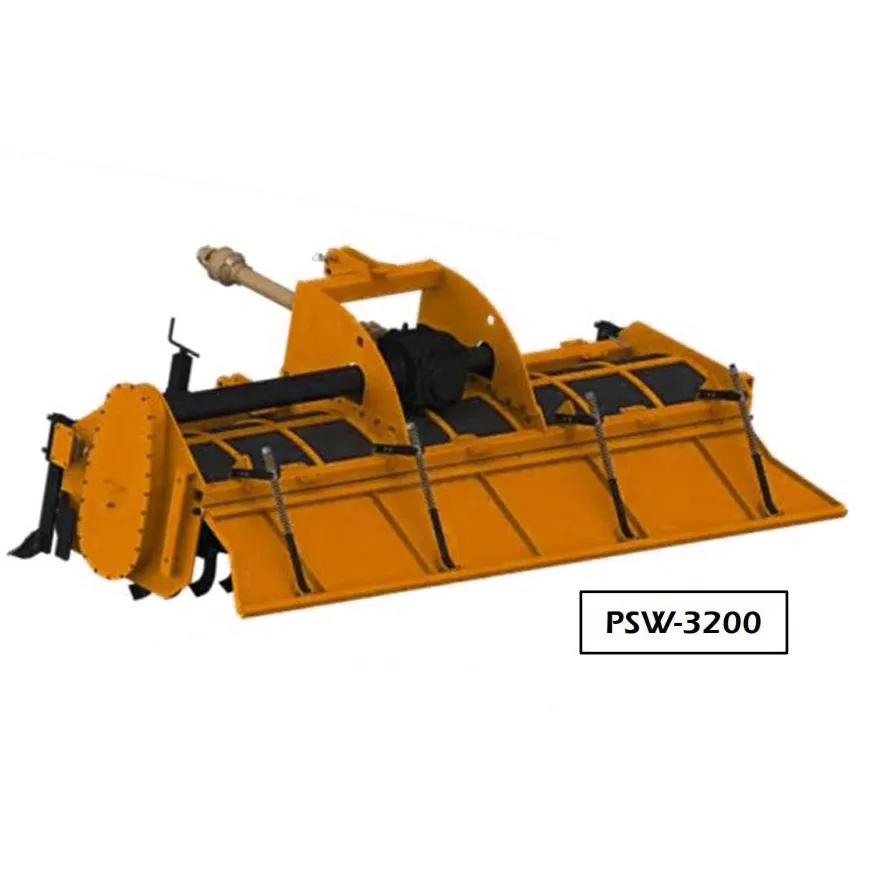
Προτεινόμενο προϊόν για εφαρμογές εξόρυξης
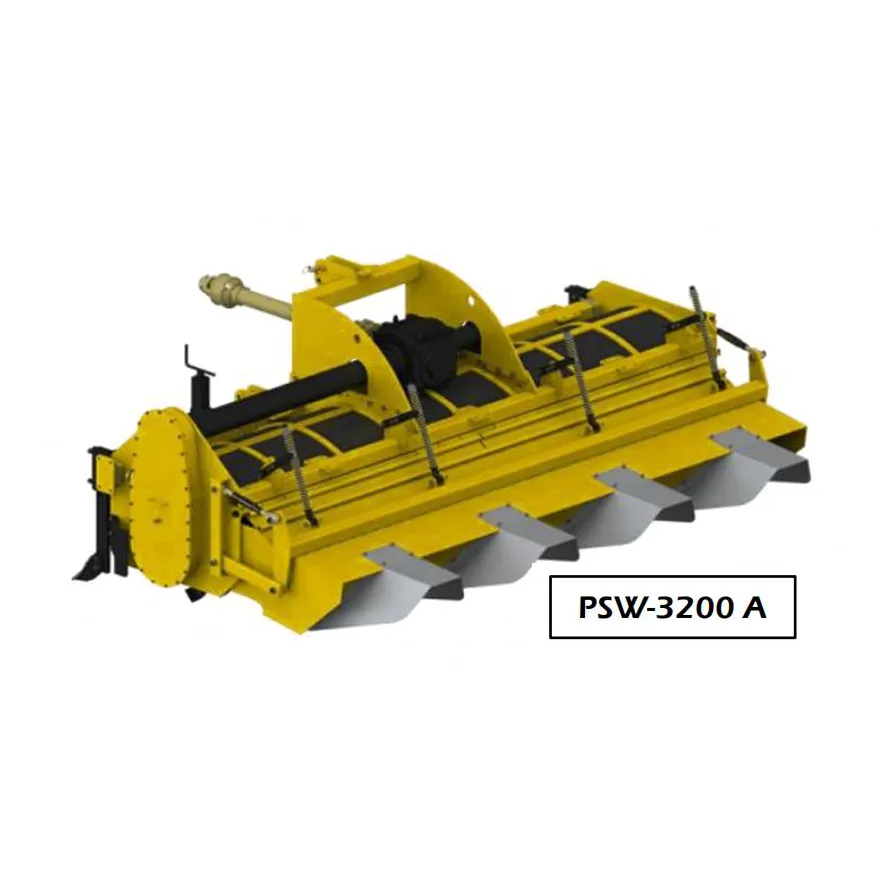
Θραυστήρας πέτρας Watanabe PSW-3200 σειράς
Το PSW-3200 είναι ο κορυφαίος θραυστήρας πέτρας βαρέως τύπου της Watanabe, ειδικά κατασκευασμένος για πρωτογενή θραύση σε ορυχεία και λατομεία. Με πλάτος εργασίας 3200 mm, ρότορα υψηλής αδράνειας και σφυριά χρωμίου-μαγγανίου που αντικαθίστανται στο πεδίο, χειρίζεται σιδηρομετάλλευμα, χαλκό, ασβεστόλιθο, γρανίτη και βασάλτη σε απαιτητικούς κύκλους συνεχούς λειτουργίας. Η διαμόρφωση με κίνηση από δυναμοδότη (PTO) είναι κατάλληλη για απομακρυσμένες τοποθεσίες χωρίς ηλεκτρική ενέργεια. Διατίθενται σετ σχαρών κόσκινου από 10–50 mm για γρήγορη αναδιαμόρφωση μεγέθους προϊόντος. Απαιτείται ελκυστήρας από 130 ίππους. Υποστηρίζεται από το δίκτυο προμήθειας ανταλλακτικών της Watanabe με έδρα τη Νέα Νότια Ουαλία.