
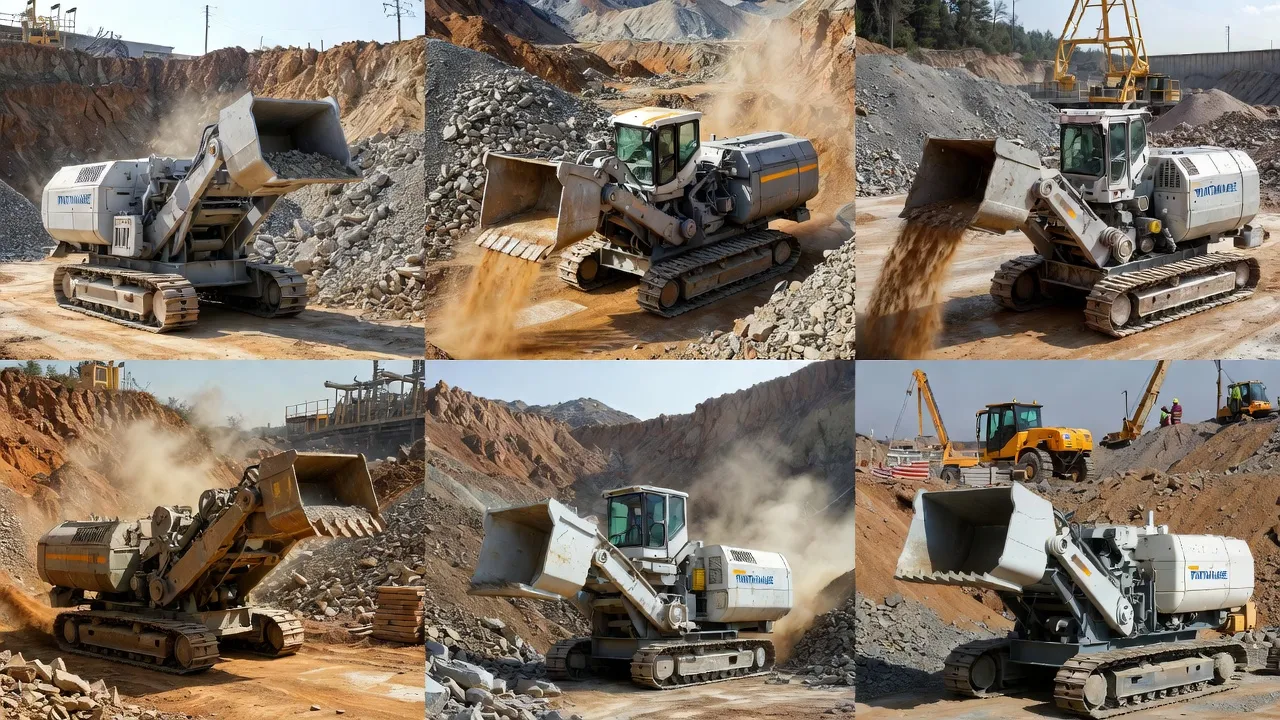
Tunnel Spoil — Australia’s Most Underused Urban Construction Resource
Australia’s urban infrastructure pipeline — road tunnels, metro rail extensions, utility adit networks, and underground transport interchanges — generates millions of tonnes of excavated rock and soil annually that is currently treated almost entirely as a waste disposal problem. The Western Sydney Metro, the Sydney Metro West, the Melbourne Metro Tunnel, and Brisbane’s Cross River Rail collectively produced tens of millions of cubic metres of excavated material during their construction phases, the bulk of which was transported to licensed spoil disposal facilities at costs of $40–$120 per tonne including haulage. A fraction was beneficially reused as fill; almost none was crushed and used as construction aggregate on the projects themselves or on nearby infrastructure works — despite the high quality of the Sydney Basin Hawkesbury sandstone, Melbourne Silurian mudstone, and Brisbane Neranleigh-Fernvale beds that constitute much of the excavated material from these tunnels.
The regulatory and commercial environment is changing. NSW EPA’s Recovered Fines Framework and Environment Protection Authority Victoria’s Infrastructure Materials Framework now provide explicit pathways for beneficially reusing excavated tunnel rock as aggregate, provided it meets compositional standards. Project clients including Transport for NSW and Infrastructure Victoria are increasingly requiring tenderers to demonstrate spoil reuse strategies as part of sustainability commitments in project performance frameworks. In this context, a mobile stone crusher operating at the portal area or spoil management facility converts tunnel spoil from a disposal liability into a construction material asset — changing the financial equation of spoil management from a pure cost to a partial cost offset that reduces the project’s overall civil works material budget.
Road and Rail Tunnel Spoil: Characterisation and Crusher Application
TBM Spoil vs Drill-and-Blast Spoil: Different Material Challenges
Tunnel boring machine (TBM) excavation produces muck — a mixed slurry or dry spoil of fine crushed rock material ranging from dust to fragments typically below 100mm. This material is already partially reduced in size by the TBM cutting process, but it requires secondary crushing to achieve a consistent aggregate gradation suitable for construction use, and it typically requires classification to remove the fine slurry fraction that contains TBM cutting fluid contamination. Drill-and-blast tunnel excavation produces larger, more irregular fragments (100–500mm typical, with some oversized blocks) requiring primary crushing before classification into aggregate size grades. Both material types can be processed through a stone crusher machine to produce usable aggregate, but the configuration and pre-processing requirements differ between the two excavation methods.
Cut-and-Cover Excavation: The Highest-Quality Reuse Opportunity
Cut-and-cover construction — used for the shallower sections of underground rail lines, pedestrian underpasses, and utility service tunnels — excavates through near-surface rock in discrete open cuts where material characterisation and separation is far easier than in TBM muck handling. The excavated rock from cut-and-cover works is typically uncontaminated, accessible for sampling and quality assessment, and available in large volumes at a single surface location — the construction site itself. This combination of factors makes cut-and-cover excavation rock the most straightforward tunnel spoil type to crush and reuse: it can be assessed against standard aggregate specifications, processed through a stone crusher at the portal area or adjacent laydown zone, and placed directly into site access roads, structural fill zones, or substation base course layers within the project boundary without the complex material management protocols required for TBM slurry spoil.
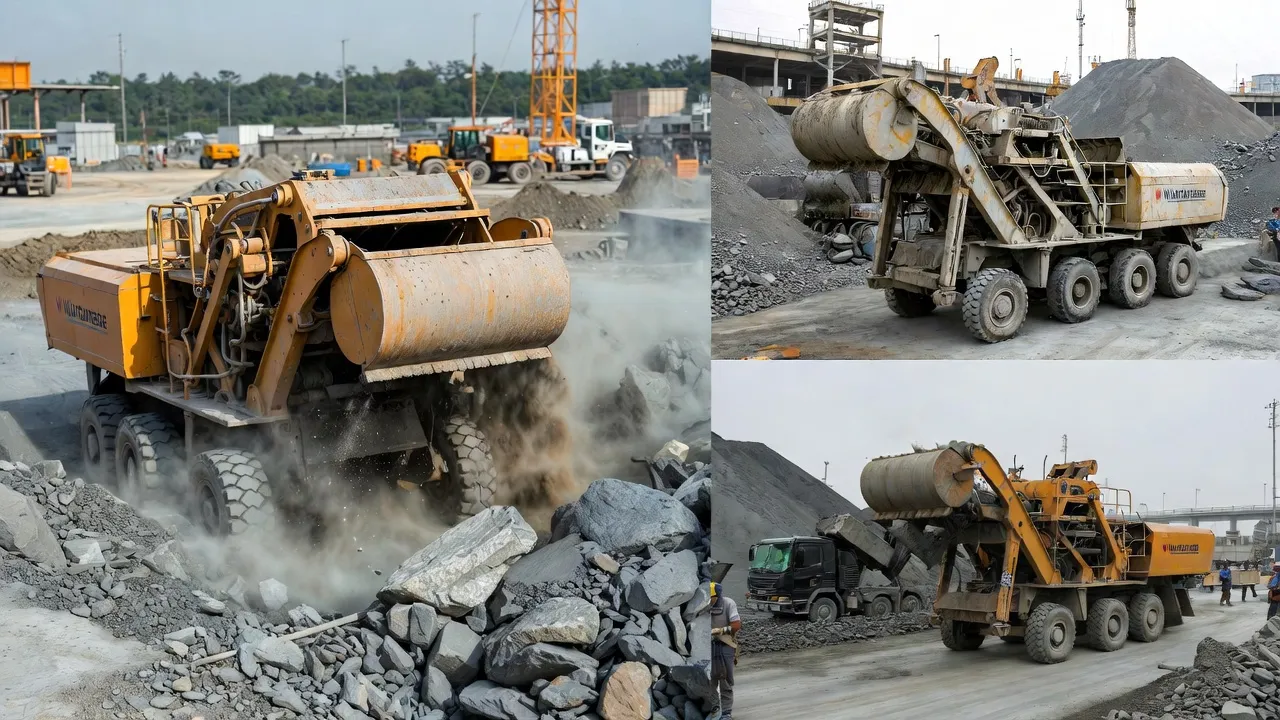
Deep Basement Excavation: Converting City Rock into Urban Fill
High-rise building construction in Australian CBDs — Sydney, Melbourne, Brisbane, Perth, and Adelaide all have active tower development pipelines — involves deep basement excavations penetrating rock formations that lie beneath the relatively shallow urban soil profile. Sydney CBD basement excavations routinely encounter Hawkesbury sandstone at depths of 5–15m below pavement level; Melbourne basements hit Silurian mudstone and sandstone; and Brisbane tower foundations reach the Neranleigh-Fernvale beds at variable depths. This urban rock excavation, typically removed by hydraulic rock hammer and grab crane, represents 5,000–50,000 tonnes of rock per tower project — material that is currently trucked to licensed quarry or fill disposal facilities at significant cost and environmental impact from truck movements through congested CBD road networks.
Crushing this excavated rock at the construction site — either in the basement level as excavation progresses (for very large basement projects with adequate space) or at a nearby laydown area — produces road base, sub-base fill, and drainage aggregate that can be used for the same project’s structural backfill, site access upgrades, or supplied to adjacent construction projects within the same development precinct. The cost saving versus combined disposal and imported aggregate supply is substantial in urban contexts where both tipping fees ($150–$300/tonne for mixed rock fill in Sydney and Melbourne) and imported aggregate ($50–$90/tonne) are at premium levels. Watanabe’s compact tractor-mounted configuration is advantageous in this context because it can be positioned and operated in constrained urban laydown areas that self-propelled mobile plant cannot access without complex traffic management and site interface arrangements.
Tunnel Spoil to Reusable Aggregate — Processing Workflow
Shaft Sinking and Utility Tunnel Construction
Access shaft sinking for underground utility works — electrical cable tunnels, telecommunications conduit shafts, stormwater storage tunnels, and water supply aqueducts — produces discrete volumes of excavated rock at individual shaft locations distributed across a city. Each shaft typically produces 100–500 tonnes of excavated material, insufficient to justify a fixed crushing plant but collectively significant when managed as a programme across multiple shafts on the same utility project. A mobile tractor-mounted crusher that moves between shaft locations as excavation progresses — connected to the available site tractor at each shaft location rather than requiring a dedicated tractor per shaft — provides aggregate processing capability across the full shaft programme from a single crusher investment, with the crushed product from each shaft supplying the local road reinstatement, shaft collar construction, and access track needs at that location.
For underground stormwater storage tunnels and drainage improvement works — programs that are an ongoing infrastructure investment in most large Australian local government areas — the excavated rock from shaft and portal construction represents a consistent aggregate supply source across multi-year program delivery. Establishing a mobile crushing arrangement for these programs converts the ongoing spoil disposal cost into a reduced-cost aggregate supply arrangement that improves the total program cost efficiency year after year across the program’s life.
Tunnel Lining Aggregate: Shotcrete and Precast Segment Concrete
Underground tunnel linings — whether applied shotcrete for drill-and-blast tunnels or precast concrete segments for TBM tunnels — require concrete aggregate meeting AS 2758.1 for structural concrete, with particular attention to alkali-silica reactivity (ASR) potential because the underground environment maintains constant moisture that could sustain long-term ASR expansion over the tunnel’s design life. Where the excavated tunnel rock itself is compositionally suitable (low ASR potential, adequate strength, no deleterious minerals), crushing it for use as lining concrete aggregate creates a genuine material economy that reduces both aggregate procurement cost and truck movement intensity for major tunnel projects.
This approach — crush the rock you excavate and use it to line the tunnel you created — was applied on several European tunnel projects and is increasingly explored in Australian tunnel procurement as sustainability commitments in project delivery frameworks incentivise circular material approaches. The quality assurance requirements for tunnel lining concrete aggregate are identical to those for any structural concrete application, and the Watanabe configuration for this application follows the same approach as described in the construction aggregate articles in this series: source rock petrographic assessment, LA abrasion and soundness testing, concrete trial mixes, and ongoing production quality sampling throughout the lining concrete production period.
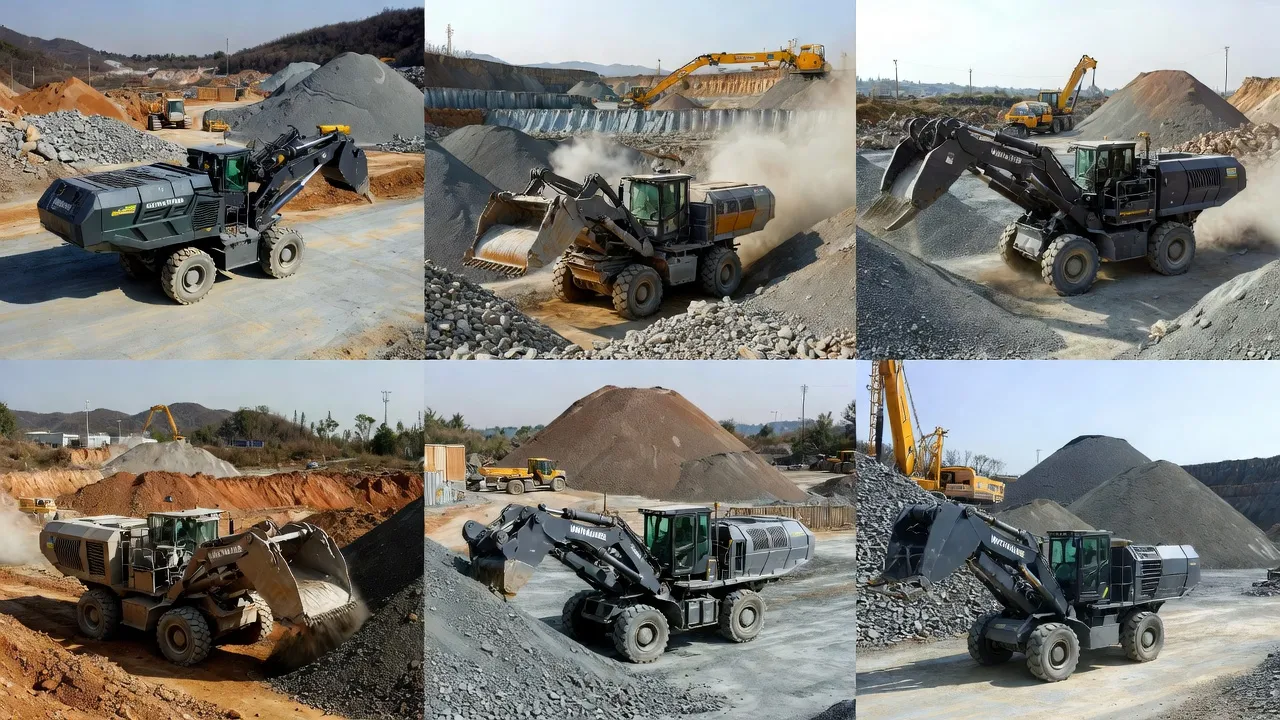
Environmental and Regulatory Framework for Tunnel Spoil Reuse in Australia
The regulatory classification of tunnel spoil as a resource (exempt from waste regulation when meeting quality standards) versus waste (requiring licensed facility disposal) is the single most important determination for the financial viability of a tunnel spoil crushing and reuse program. NSW EPA’s Resource Recovery Order for General Solid Waste (Non-Putrescible) provides a pathway for tunnel spoil meeting defined chemical quality criteria to be classified as a resource when used in specified beneficial uses including road base, fill, and drainage aggregate. Victoria’s Environment Reference Standard for excavated natural material (ENM) provides an equivalent framework. Western Australia’s DWER guidance on fill material provides similar, though less prescriptive, pathways for beneficial excavated material reuse. In each case, the documentation requirements — spoil characterisation testing, production quality records, material tracking from excavation zone to final placement — must be established and maintained from the project’s inception to ensure the regulatory classification pathway is available when the material is ready for reuse.
Watanabe’s project documentation package for tunneling applications is designed to generate the material tracking and quality evidence records required by state EPA resource recovery frameworks — from the initial spoil characterisation reports through production batch quality records to the final placement manifests that close out the material chain of custody. This documentation discipline not only enables regulatory classification of the crushed spoil as a resource; it also provides the commercial project with environmental performance evidence that contributes to sustainability reporting under Green Star, Infrastructure Sustainability (IS) Rating Tool, and project-specific environmental KPI frameworks increasingly embedded in tunnel project contracts.
Underground Car Parks and Basement Excavation: Urban Material Economics
Urban basement excavation — the deep rock excavation required for high-rise tower basements, multi-level underground car parks, and metro station boxes — generates rock volumes that are disproportionately expensive to dispose of in the dense urban environments where the excavation occurs. Sydney CBD tipping fees for non-contaminated rock fill were running at $150–$250 per tonne during the 2023–2025 construction boom period, driven by the saturation of licensed fill sites within economic trucking distance of the CBD. At these tipping fee levels, a 20,000 tonne basement excavation generates a spoil disposal cost of $3–$5 million — a line item that makes any viable on-site or near-site crushing and reuse arrangement commercially attractive even if the crushed aggregate is sold at modest prices or used for low-specification fill within the project.
Developers who have embedded a crushing and reuse strategy into their basement excavation program — typically through a contractor arrangement where the excavation contractor operates the crusher as part of the spoil management scope — can achieve combined savings (reduced disposal cost plus reduced imported aggregate cost) of $80–$180 per tonne on the proportion of material that is successfully crushed and reused. For 50% reuse of a 20,000 tonne basement excavation, this represents $800,000–$1,800,000 in total project cost reduction — a sum that funds several floors of building construction and demonstrates how circular material management in urban development can generate commercial returns that purely conventional approaches leave on the table.
Safety and Operational Considerations for Underground-Adjacent Crushing
Crusher operations adjacent to active tunnel or basement excavation works require integration with the project’s Site Safety Management Plan (SSMP) and confined space and excavation safety procedures. Key specific requirements include: exclusion zone maintenance between the crusher operating area and any open excavation or shaft edge (minimum 2m beyond the structural exclusion zone); material handling interface — the sequence of moving excavated rock from the active work face to the crusher location must be managed to avoid vehicle/plant conflicts and maintain clear sight lines for crusher operators; dust management is particularly important in urban environments where silica dust from crushing sandstone or fine-grained rock must be suppressed before it affects adjacent occupied buildings or street-level pedestrians; and noise management under the project’s Construction Noise Management Plan must account for the crusher as a significant noise source, with time-of-day restrictions applied accordingly. Watanabe provides crusher-specific noise and dust data for inclusion in project SSMP documentation, and the team can advise on positioning and operational scheduling strategies that minimise crusher noise impact on adjacent sensitive receivers.
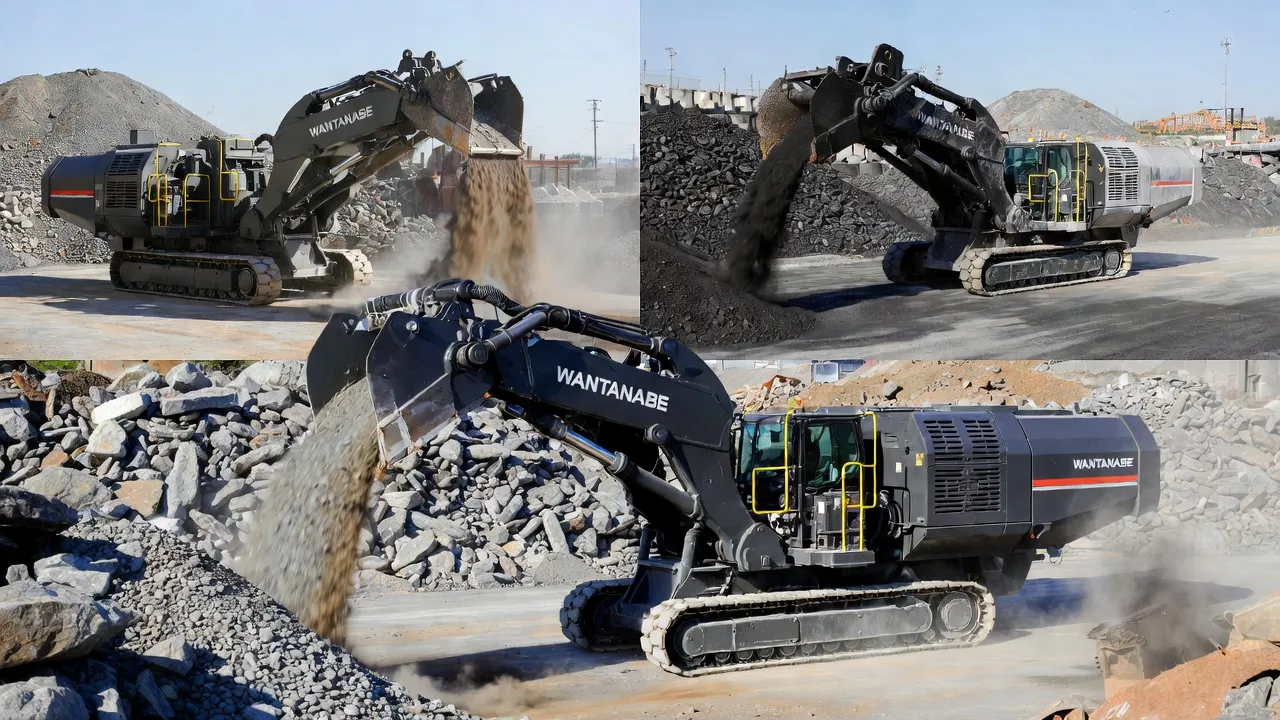
Carbon Accounting and Sustainability Credentials for Spoil Reuse Programs
Infrastructure Sustainability (IS) Rating Tool credits and Green Star Infrastructure credits are available for verified reduction in construction material waste and spoil disposal through beneficial reuse programs. Each tonne of tunnel spoil crushed and reused on-site or in a nearby project displaces both the embodied carbon of the imported aggregate it replaces (approximately 5–20 kg CO₂-e per tonne for crushed rock) and the transport emissions associated with the spoil disposal truck movements it avoids. For a 50,000 tonne spoil reuse program, the combined carbon saving — typically 500–1,500 tonnes of CO₂-e depending on truck haulage distances — contributes measurably to project sustainability credit requirements and can differentiate a project’s environmental performance in IS Rating or sustainability tender evaluation criteria.
Watanabe’s documentation framework for tunneling applications includes carbon accounting templates aligned with the Australian Life Cycle Inventory Database and IS Rating calculation methodology, allowing project sustainability managers to quantify and report the carbon benefit of the spoil reuse program in a format directly usable for IS Rating credit submissions. This documentation capability is increasingly a differentiating factor when contractors are selecting crushing equipment suppliers for major tunnel and underground works contracts where sustainability reporting commitments are embedded in the project delivery framework.
Watanabe’s Tunneling and Underground Works Capabilities
Australia Watanabe Tractor Stone Crusher Co., Ltd brings to the tunneling and underground works market a combination of precision crushing capability and project documentation support specifically designed for the complex compliance environment of major urban infrastructure projects. Watanabe understands that a spoil reuse program on a metro rail project is not simply a crushing job — it is a documented material management system with regulatory, environmental, and sustainability reporting dimensions that require more than a machine and an operator. The company’s project documentation package, crusher configuration expertise across the range of Australian tunnel rock types, and rapid deployment capability make it a practical partner for tunneling contractors seeking to establish spoil reuse programs as a standard element of their project delivery approach. Contact the Watanabe team at tractor-stone-crusher.com/contact-us/ or email [email protected] with your project type, excavated rock description, and spoil volume for a configuration recommendation and program planning consultation.
Featured Product for Tunneling & Underground Works
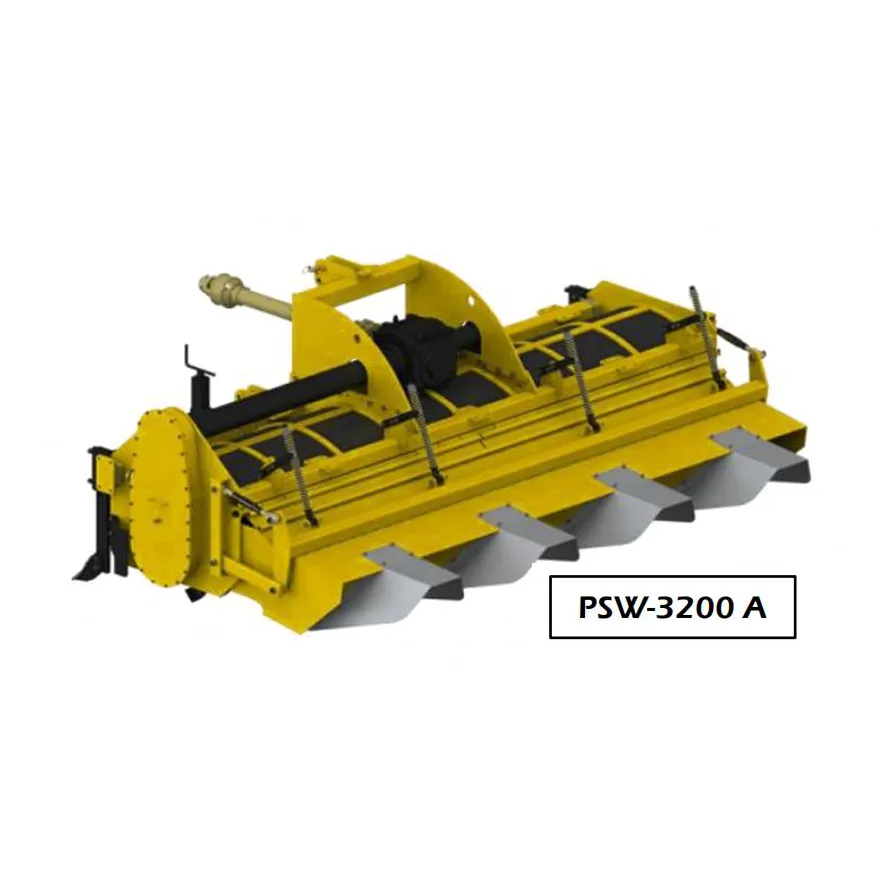
Watanabe PSW-3200 Series Stone Crusher
The PSW-3200 Series provides the throughput capacity (80–150 t/h) and feed size capability required for tunnel spoil primary crushing applications. Its PTO-driven configuration allows deployment in urban laydown areas without electrical supply, and its compact tractor-mounted footprint enables operation in the constrained access conditions typical of urban construction sites. Screen grate sets from 10–75mm cover the full range of spoil reuse product specifications from road base through to bulk structural fill. Heavy-duty rotor handles the irregular, partially shotcrete-contaminated feed material common in drill-and-blast tunnel spoil. Full project documentation package included for EPA resource recovery framework compliance. Australian parts and technical support from Condell Park NSW 2200.