
Why Surface Rock Is Australia’s Most Underestimated Land Productivity Problem
Across the tablelands of NSW, the granite country of south-west WA, the basalt plains of western Victoria, and the rocky pastoral leases of Queensland and South Australia, surface stone accumulations represent one of the most persistent and costly productivity barriers in Australian land management. Rocky ground reduces pasture establishment success rates, damages and dulls cultivation equipment, blocks seeder mechanisms causing missed rows, and limits the machinery options available for land that could otherwise support higher-intensity agricultural use. In plantation forestry, surface rock delays site preparation timelines, increases slash management costs, and creates hazards for harvesting machinery operating on rough terrain. The conventional management response — scraping rocks into windrows or pushing them to paddock boundaries — removes the immediate cultivation hazard at the cost of permanently losing 3–8% of the paddock area and creating long-term weed and drainage management problems along the windrow lines that persist for the life of the property.
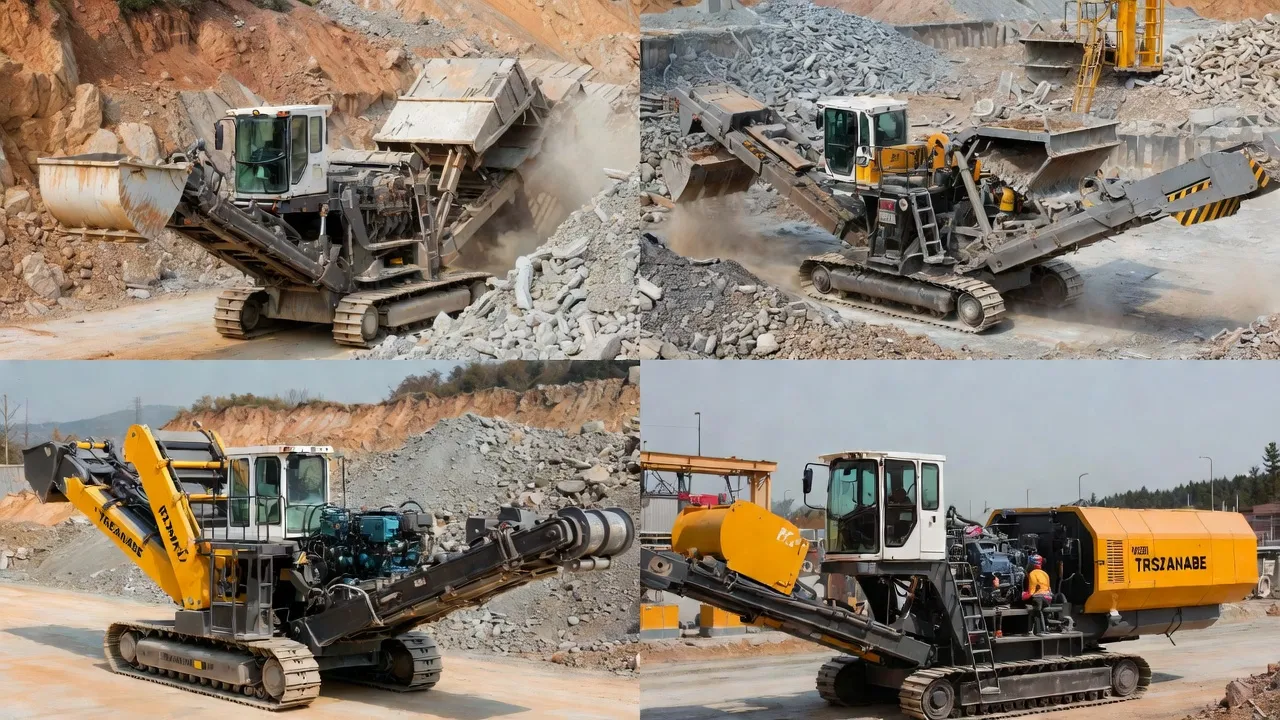
A tractor-mounted field stone crusher reframes this problem entirely: rather than moving the rock to somewhere less inconvenient, it crushes the rock in place and returns the mineral material to the soil profile — recovering the full paddock area, releasing calcium and trace minerals into the root zone, and eliminating the windrow management problem in a single operation. For forestry and land clearing applications, this in-situ approach is not just agronomically superior to windrow removal; it is operationally faster, mechanically simpler, and economically more effective across the range of rocky terrain types that define Australian land development challenges.
Plantation Forestry Site Preparation: Clearing Rocky Ground for Tree Establishment
The Rocky Ground Problem in Softwood and Hardwood Plantations
Australia’s plantation estate — spanning radiata pine in the south-east and south-west, blue gum in WA and SA, and hardwood species across northern NSW and QLD — is predominantly established on land that was previously marginal for cropping due to soil shallowness, surface rock accumulations, or terrain irregularity. These characteristics that made the land unsuitable for intensive cropping also create specific challenges for plantation establishment: surface rock interferes with mechanical planting equipment, damages ripper tines during subsoil preparation, and creates uneven terrain that complicates spray application and early tending operations. Plantation managers who inherit rocky sites face an upfront site preparation cost that directly affects the economics of the rotation — investment in thorough site preparation pays forward through better stocking, more uniform growth, and fewer tending problems across the 10–25 year rotation period.
Stone Crusher Site Preparation Before Planting
Using a tractor-mounted stone crusher as part of the site preparation sequence before plantation establishment produces a fundamentally better planting substrate than windrow or burning-based approaches. The crushing pass — typically conducted after initial slash mulching and subsoil ripping — reduces surface rock to fragments below 50mm that do not interfere with mechanical planting equipment and are progressively incorporated into the soil profile by subsequent weather and biological activity. The fine limestone or basalt fragments released by crushing contribute calcium and trace minerals to the rhizosphere around newly planted seedlings — a soil chemistry benefit that is measurable in seedling survival and early growth rates on calcium-deficient, naturally acidic plantation soils across the NSW tablelands and south-east SA. Watanabe’s rock crusher attachment for tractor is specifically configured for this multi-pass plantation use: the machine’s ability to operate over rough, slashed, and partially subsoiled terrain without requiring smooth ground conditions makes it practical for the messy reality of post-clearing plantation site preparation.
Firebreak Preparation and Bushfire Risk Management
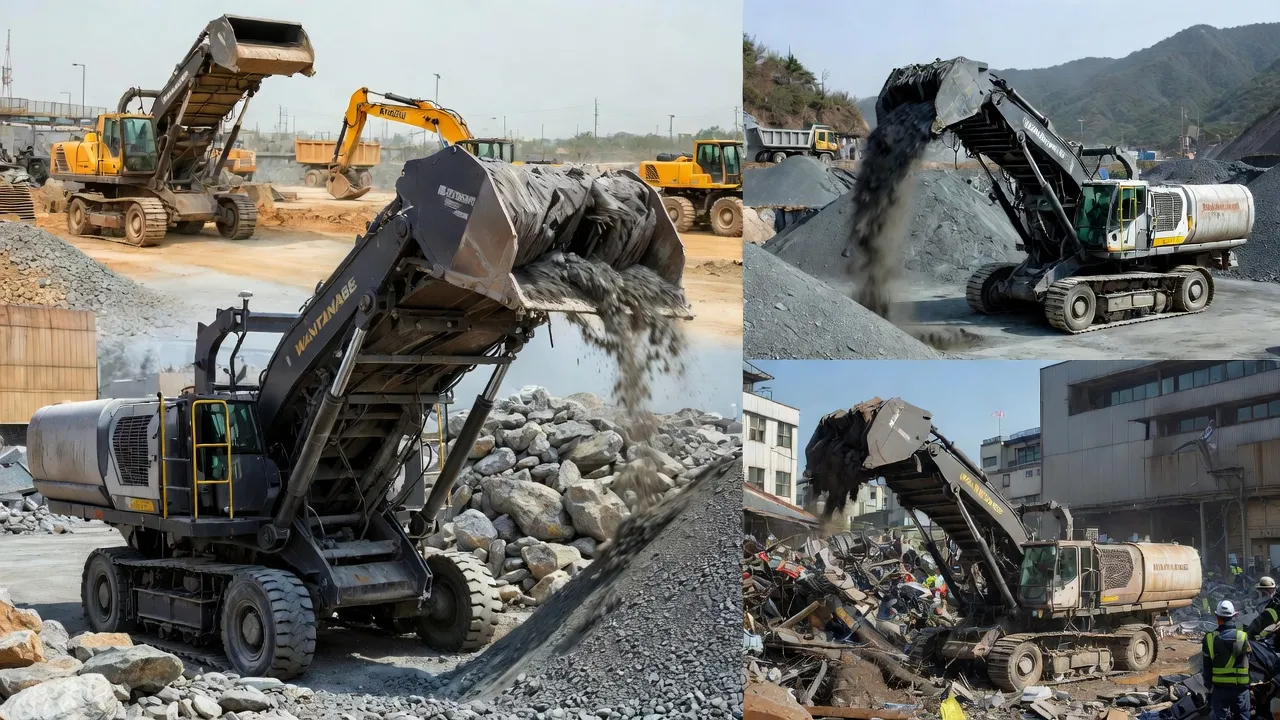
Firebreak construction and maintenance is a legal obligation for landholders across most of rural Australia — and rocky terrain is one of the most common obstacles preventing adequate firebreak preparation in fire-prone landscapes. A firebreak that cannot be graded to bare mineral earth because surface rock prevents blade contact with the soil is not a compliant or effective firebreak, regardless of how much effort the operator has invested. In the granite country of south-west WA, the basalt plains of western Victoria, the rocky ranges of south-east SA, and the stony pastoral country of central Queensland, surface rock densities that prevent effective grader operation are common enough to make stone management a routine part of annual firebreak preparation cycles rather than a one-off site development event.
A stone crusher pass along a proposed firebreak alignment — conducted prior to grader preparation — crushes surface rock to a particle size that the grader blade can then displace and incorporate into the graded surface, producing a smooth, wide, bare-earth firebreak that meets regulatory standards. On properties where firebreak maintenance is an annual requirement, the investment in a tractor stone crusher in Australia pays forward year after year: once the initial rock has been crushed during the first firebreak preparation, annual maintenance requires only a grader pass rather than the combined crusher-then-grader operation of the first year, reducing annual firebreak preparation time and cost substantially.
Firebreak Preparation on Rocky Ground — Recommended Workflow
Forestry and Logging Roads: On-Site Aggregate from Bush Rock Sources
Forestry access roads — the network of tracks that allows harvesting machinery, log trucks, and fire suppression vehicles to reach all areas of a plantation or native forest coupe — represent one of the largest infrastructure investments in plantation forestry management. A typical commercial softwood plantation of 500–2,000 hectares may require 20–60 kilometres of internal access road, all requiring gravel surfacing to remain passable during wet seasons and under heavy harvest traffic loads. At commercial aggregate supply costs of $40–$80 per tonne delivered to remote forest sites, the material cost for plantation road surfacing commonly reaches $150,000–$600,000 per rotation — a capital cost that directly affects the net present value of the plantation investment and, for smaller operations, can make the difference between a financially viable rotation and one that barely recovers development costs.
Rocky terrain that complicates plantation establishment provides its own solution to this road construction cost problem: the same surface rock that must be removed from planting areas and firebreak alignments is the aggregate source for road construction. A stone crusher processing rock cleared from planting areas and cross-drain excavations can supply the 15–40mm road base and 40–75mm rip-rap needed for creek crossings and erosion-prone sections simultaneously with the land clearing operation — converting a site preparation cost into a road construction material supply at zero additional material cost. Watanabe’s PTO-driven configuration means no electrical supply is needed to operate the crusher at remote plantation sites, and its compact tractor-mounted footprint allows it to operate in the constrained access conditions of partially established plantation blocks where larger mobile plant cannot manoeuvre safely.
Pastoral Land Development: Converting Rocky Grazing Country to Productive Pasture
Australia’s pastoral development sector — the conversion of native vegetation land to improved pasture for beef and sheep production — has historically been constrained by the cost and practicality of managing surface rock in the rocky country that comprises a significant proportion of developable but currently underutilised land in the NSW tablelands, WA wheatbelt, and Queensland ranges. Properties that could support 1 DSE per hectare under native pasture with surface rock management might achieve 3–4 DSE per hectare under improved pasture with lime application — a productivity tripling that justifies substantial development investment, including stone management, if the stone management cost can be reduced to a level commensurate with the stocking rate improvement value.
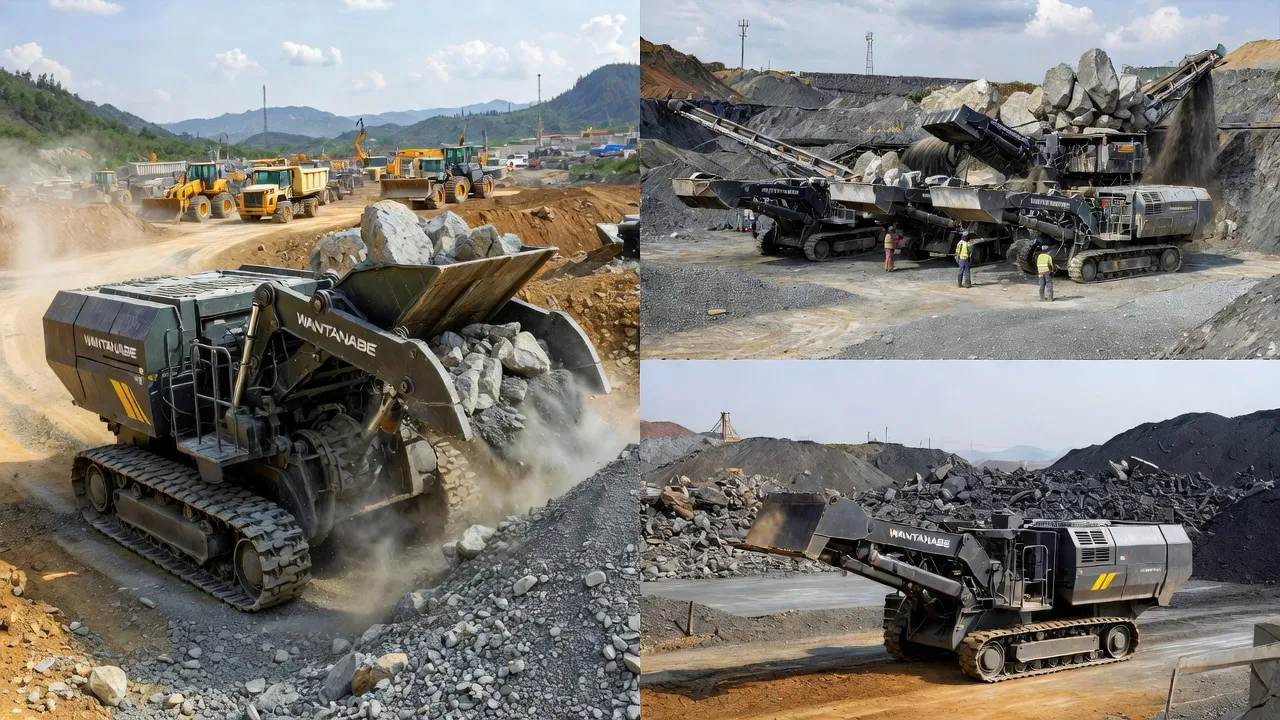
Watanabe’s agricultural rock crusher deployed for pastoral development provides a stone management cost structure that makes this productivity improvement economically achievable across a much wider range of property types than traditional windrow or off-site removal approaches. The crusher produces fine crushed limestone that improves soil pH while clearing the paddock surface — simultaneously addressing two of the three main productivity constraints (surface rock and soil acidity) in a single operation pass. Stock yards, water trough surrounds, and dam access tracks receive aggregate from the same crushing run that clears the cultivation paddocks — maximising equipment utilisation and minimising total project cost for the full pastoral development program.
Native Vegetation Clearing and Land Rehabilitation
Approved native vegetation clearing projects in Australia — conducted under state vegetation clearing approval frameworks — generate substantial amounts of cut and pushed material that requires management alongside any surface rock present in the cleared area. The interaction between stone crushing and vegetation clearing in this context is practical: mulching and crushing operations work most efficiently when conducted as separate passes on the same area rather than simultaneously, because woody mulch debris in the crusher feed causes screen blinding and reduces throughput, while the mulcher works less efficiently on rock-covered ground. Sequencing the work — slash mulch pass first, then rock crusher pass, then subsoil ripping — produces the cleanest result for both operations and the best planting substrate for the revegetation or pasture establishment that follows.
Mine site rehabilitation projects that involve surface recontouring and topsoil spreading on previously disturbed land face a comparable challenge when excavated material contains embedded rock that must be reduced before topsoil application can proceed. In this rehabilitation context, the stone crusher eliminates the need to load and haul oversized rock fragments away from the rehabilitation area — which would require truck access on ground that is often in unstable post-rehabilitation condition — by processing the rock in place and allowing the crushed material to remain beneath the topsoil layer. This is a particularly relevant application for gold mine tailings storage facility (TSF) rehabilitation in WA and QLD, where the recontouring earthworks expose weathered basement rock that must be treated before topsoil spreading and native seed application.
Harvesting Operations: Reducing Rock Hazards for Machinery Protection
Harvesting machinery in plantation forestry — feller-bunchers, harvesters, forwarders, and skidders — operates on terrain that was surveyed and prepared at establishment but may have changed significantly over the 10–25 year rotation period. Frost heave progressively exposes new rock on sloping country; slash decomposition on machine pads exposes previously covered boulders; and terrain subsidence on wet sites can expose rock seams that were below the original ground surface at planting. Operating harvesting machinery over exposed rock causes tyre damage (particularly on expensive forwarder and harvester tyres at $2,000–$8,000 per tyre), track damage on tracked machines, and occasional serious structural damage when boulders are contacted by low-clearance machine components during harvest operations.
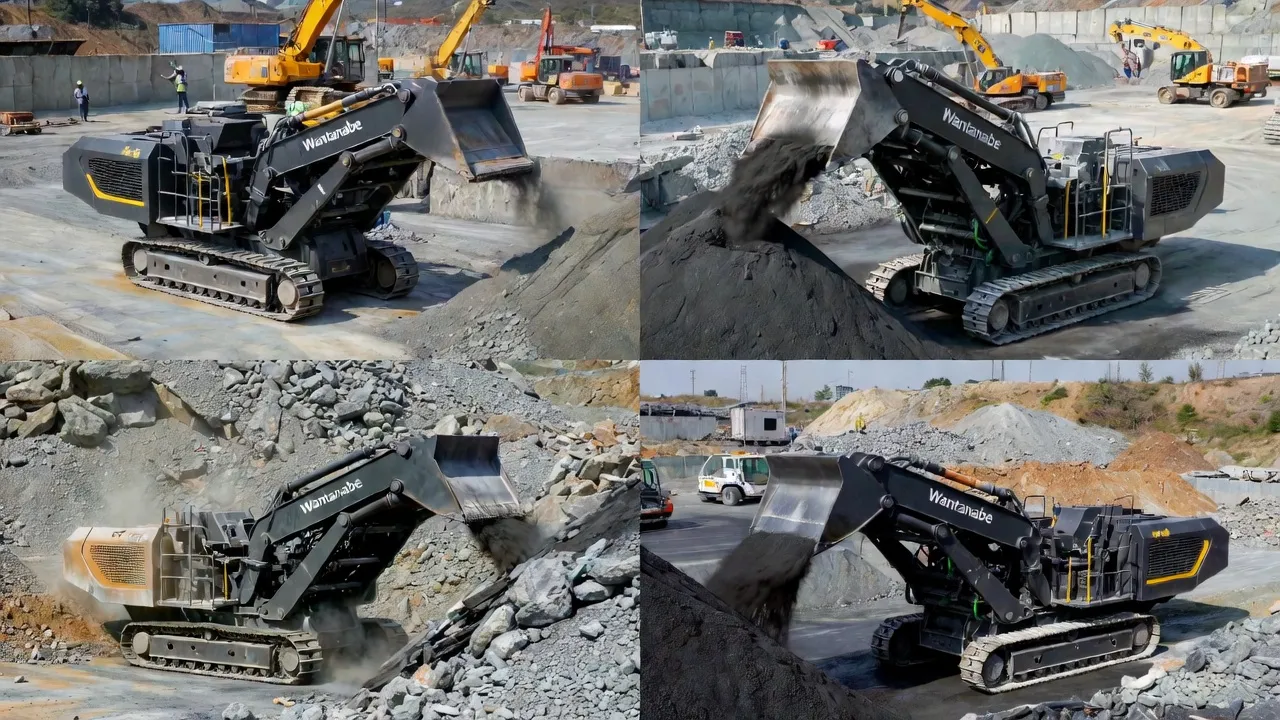
Pre-harvest stone crushing of identified problem areas — a selective operation targeting specific machine pad areas, skid track routes, and log landing sites rather than whole-of-plantation treatment — reduces harvesting machinery damage costs at a fraction of the cost of the damage it prevents. A single harvester tyre replacement event costs more than a full day of crusher operating time, making the economics of pre-harvest stone treatment straightforward in any compartment where rock exposure is known from stand inspection. Watanabe’s rapid deployment capability — the crusher can be connected to an available tractor and operational at a specific coupe within hours of the decision to treat — is particularly valuable in this context, where treatment needs are identified during pre-harvest planning and must be resolved before the harvest crew mobilises to the compartment.
Carbon Farming and Environmental Plantings on Rocky Land
Australia’s expanding carbon farming sector — environmental plantings and human-induced regeneration projects registered under the Carbon Credits (Carbon Farming Initiative) Act 2011 — includes a growing number of projects establishing native tree species on degraded or marginal agricultural land, much of which carries surface rock that impedes mechanical planting. Carbon project developers face the same establishment cost challenge as commercial plantation managers, but with the additional constraint that carbon project economics are tighter and the species being established (native trees for biodiversity and carbon outcomes) are often less tolerant of planting-related damage than commercial species grown in highly managed conditions.
Stone crushing before tree planting in carbon projects improves establishment success rates by enabling consistent machine planting (versus hand planting in rock-constrained areas, which is substantially more expensive), improving water infiltration around newly planted seedlings by breaking the impermeable rock cap that prevents downward water movement in shallow rocky soils, and eliminating the mechanical cultivation obstacles that cause costly seeder blockages during direct-seeding operations on broad-scale carbon plantings. The cost of stone management in a carbon planting context is directly recoverable through improved carbon credit yield: better establishment rates mean faster canopy development, earlier carbon accumulation, and higher ACCUs generated per hectare of project area — each of which translates into measurable improvement in the carbon project’s financial returns.
Regulatory Compliance: Vegetation Clearing Approvals and Firebreak Obligations
Stone crushing operations conducted in conjunction with vegetation clearing must align with the vegetation clearing approval conditions that govern the clearing activity. In most Australian states, the clearing approval specifies the area to be cleared, the method (mulching, grubbing, burning), and any rehabilitation or offset conditions. Stone crushing as a site preparation activity within an approved clearing area is generally consistent with the approved clearing method and does not require separate approval — but operators should confirm this interpretation with their state vegetation management authority before commencing crushing on any recently cleared area where the approval conditions do not specifically address site preparation methods.
Firebreak construction obligations under state fire management regulations — the Bush Fires Act in WA, the Rural Fires Act in NSW, and equivalent legislation in other states — specify construction standards for firebreaks that include requirements for bare mineral earth width and surface condition. The stone crushing plus grading sequence described in Section 3 of this guide specifically produces a firebreak meeting these regulatory standards in rocky terrain where grading alone cannot achieve the required bare earth condition. Watanabe provides technical documentation describing the crusher’s effectiveness for firebreak preparation that can be included in landholder fire management plans as evidence of the approved construction methodology for rocky terrain.
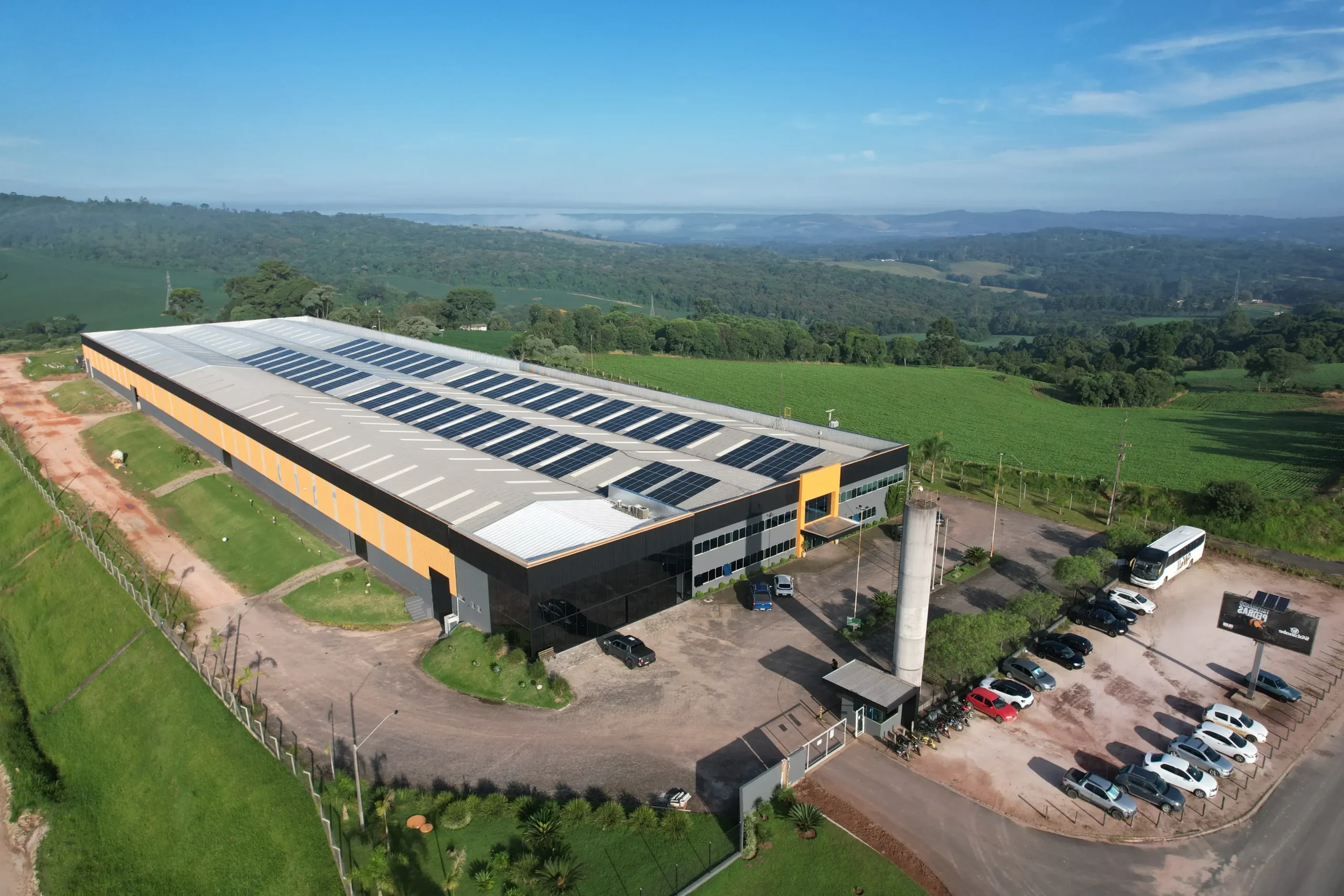
Watanabe’s Forestry and Land Clearing Configurations for Australian Conditions
Australia Watanabe Tractor Stone Crusher Co., Ltd configures its forestry and land clearing crusher range specifically around the rock types, terrain conditions, and tractor fleet characteristics of Australian plantation and pastoral operations. The variable screen grate system — allowing the same machine to produce fine lime output for soil amelioration on Monday and coarse road base aggregate for track construction on Friday — provides the operational flexibility that land management work requires, where multiple products may be needed from the same rock source depending on where the day’s work takes the operator. Watanabe’s forestry-duty hammer configurations are reinforced for the higher-impact loads generated when crushing rock embedded in soil and partially covered by slash debris, a common encounter in plantation and land clearing applications that standard agricultural configurations handle less reliably.
For forestry contractors and land managers assessing whether a Watanabe crusher suits their specific site conditions and rock types, the Condell Park NSW team provides application assessments based on rock type descriptions, terrain photographs, and tractor specifications. This pre-purchase assessment prevents the costly mismatch of deploying underpowered or incorrectly configured equipment on sites that require a different hammer alloy, screen aperture, or rotor speed than the standard configuration supplies. Contact the team at tractor-stone-crusher.com/contact-us/ or email [email protected] with site photographs and rock type information for a configuration recommendation.
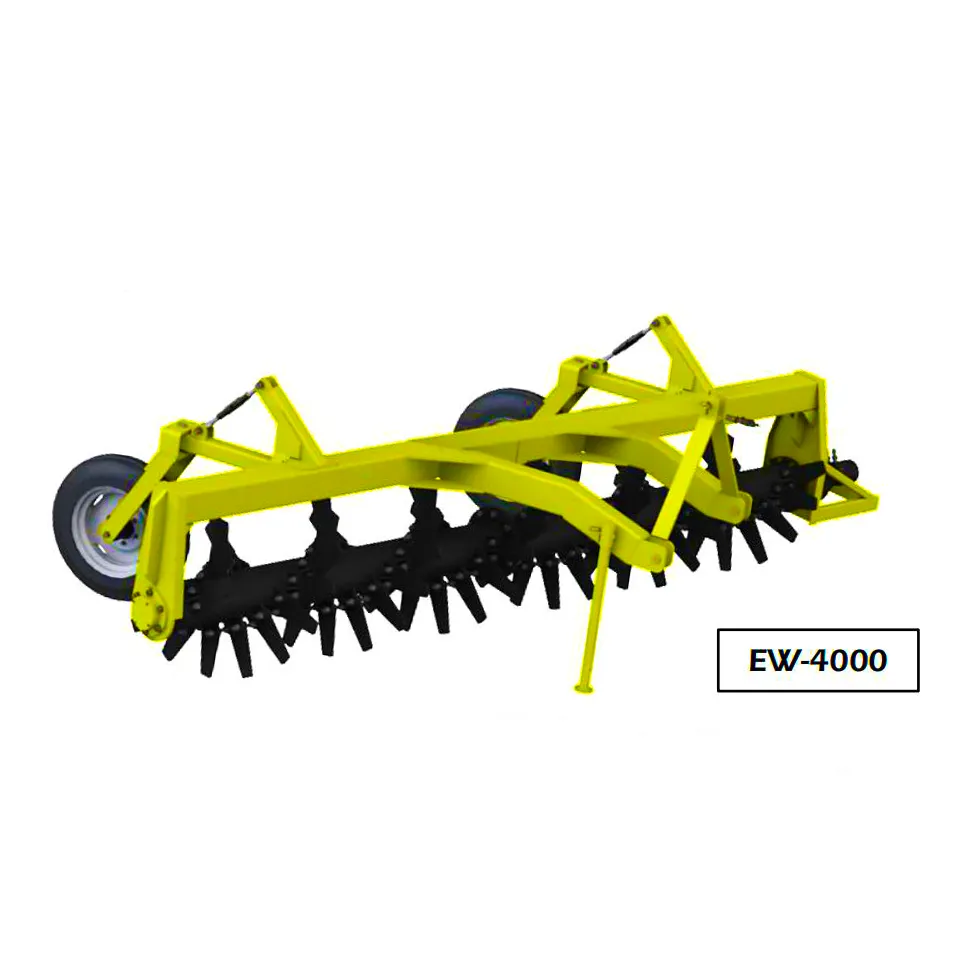
Featured Product for Forestry & Land Clearing

Watanabe Rock Rake EW-4000
The Rock Rake EW-4000 is Watanabe’s premier tractor attachment for forestry and land clearing stone management. With a 4000mm working width, it covers large paddock and plantation areas efficiently in a single pass — collecting surface rock, processing it through the integrated crushing mechanism, and depositing the fine material back onto the cleared surface in one continuous operation. Ideal for firebreak preparation, plantation site prep, and pastoral land development. Variable screen configurations from 10–50mm suit both fine lime production and coarse road aggregate output. Forestry-duty hammer reinforcement handles partially buried and slash-mixed rock without the feed sensitivity of standard agricultural configurations. PTO-driven from 100HP+ tractors, three-point linkage. Australian parts supply from Condell Park NSW.