
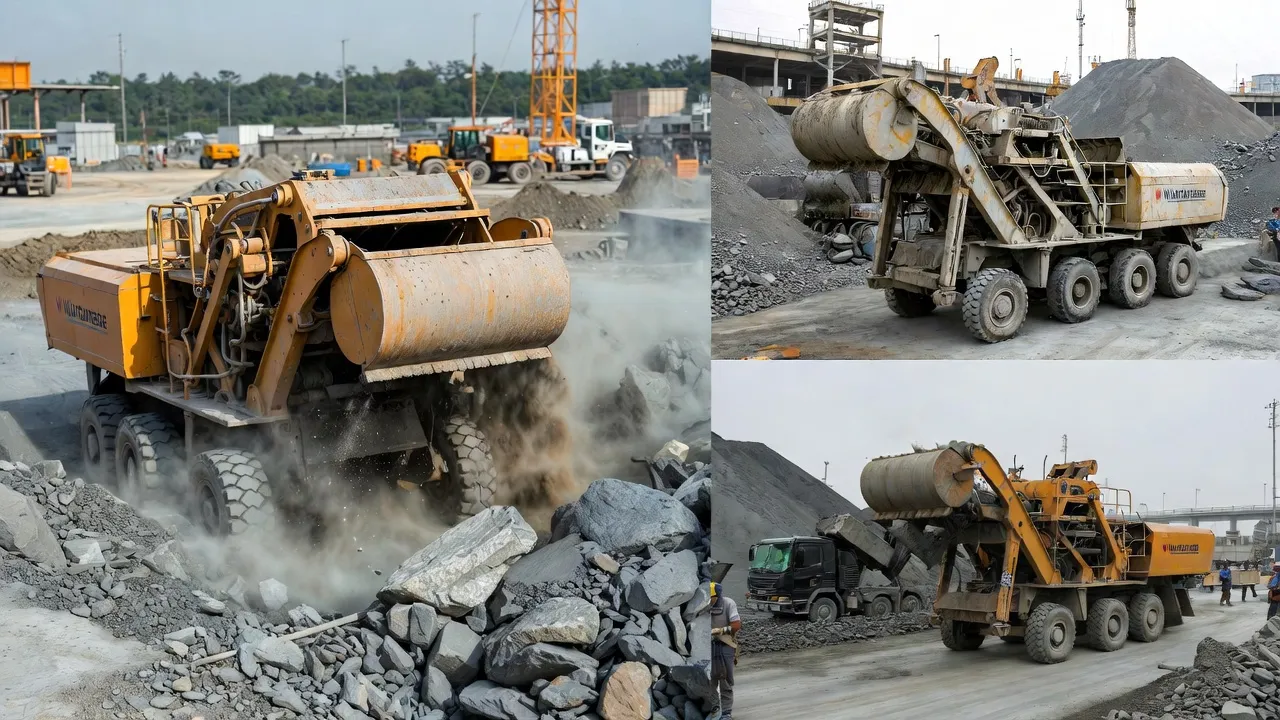
The Unique Aggregate Challenges of Petroleum Industry Operations
Oil and gas operations generate aggregate demand in remote locations where no established quarry supply chain exists, under time pressures that cannot accommodate standard procurement lead times, and at volumes that scale rapidly as a field development programme accelerates. Well pad construction, access road building, and pipeline corridor preparation all require crushed rock aggregate in substantial quantities — yet the petroleum basins where most Australian onshore activity occurs (Cooper Basin in SA/QLD, Canning Basin in WA, Amadeus Basin in NT, and the Otway Basin in VIC/SA) are located in geological provinces where local aggregate supply from commercial quarries is limited to nonexistent within economic haul distance.
On-site aggregate production with a portable rock crusher changes this supply dynamic fundamentally. When rock outcrops or shallow limestone are present within the lease area — which is the case across much of central Australia’s sedimentary basin geology — an operator with a tractor-mounted crusher can produce road base and well pad fill aggregate from local material at $8–$20 per tonne all-in operating cost, compared to $80–$150 per tonne delivered for quarry-sourced aggregate trucked from regional supply centres 200–400km distant. Over a multi-well drilling programme covering 10,000–50,000 tonnes of aggregate demand, this cost differential represents a material saving that justifies the crusher investment many times over.
Well Pad Construction: Aggregate Requirements and Crushing Solutions
Typical Well Pad Aggregate Volumes and Specifications
A standard onshore oil and gas well pad requires 500–2,000 tonnes of crushed rock aggregate to construct the gravel-surfaced equipment area, sump liner base, drainage ditches, and access road approach — with larger multi-well pads and those in soft ground conditions requiring aggregate volumes at the upper end of this range. The aggregate specification for well pad construction is typically 20–75mm crushed rock or equivalent, with the primary engineering requirement being adequate bearing capacity under the heavy equipment loads of drilling rigs, casing strings, and production equipment rather than the tight gradation control required for pavement or concrete aggregate. This relatively broad specification tolerance makes well pad aggregate production well-suited to mobile on-site crushing where source rock characteristics vary from the ideal — a flexibility that fixed-specification construction aggregate production cannot match.
Identifying and Qualifying Local Rock Sources for Well Pad Aggregate
Before committing to on-site aggregate production, oil and gas operators must identify and qualify a local rock source within the lease area that meets the minimum requirements for well pad aggregate use. The qualification process involves assessing rock type and compressive strength (minimum 30 MPa for well pad aggregate, easily achieved by limestone, sandstone, and most igneous rock types); particle shape characteristics when crushed (angular or sub-angular particles required for adequate interlock and stability); and absence of reactive or swelling clay minerals that could cause aggregate to break down when saturated by rig wash or produced water spillage. Watanabe can assist with source rock screening guidance when an operator is considering a first on-site crushing program and lacks the in-house geotechnical expertise to assess local rock suitability independently.
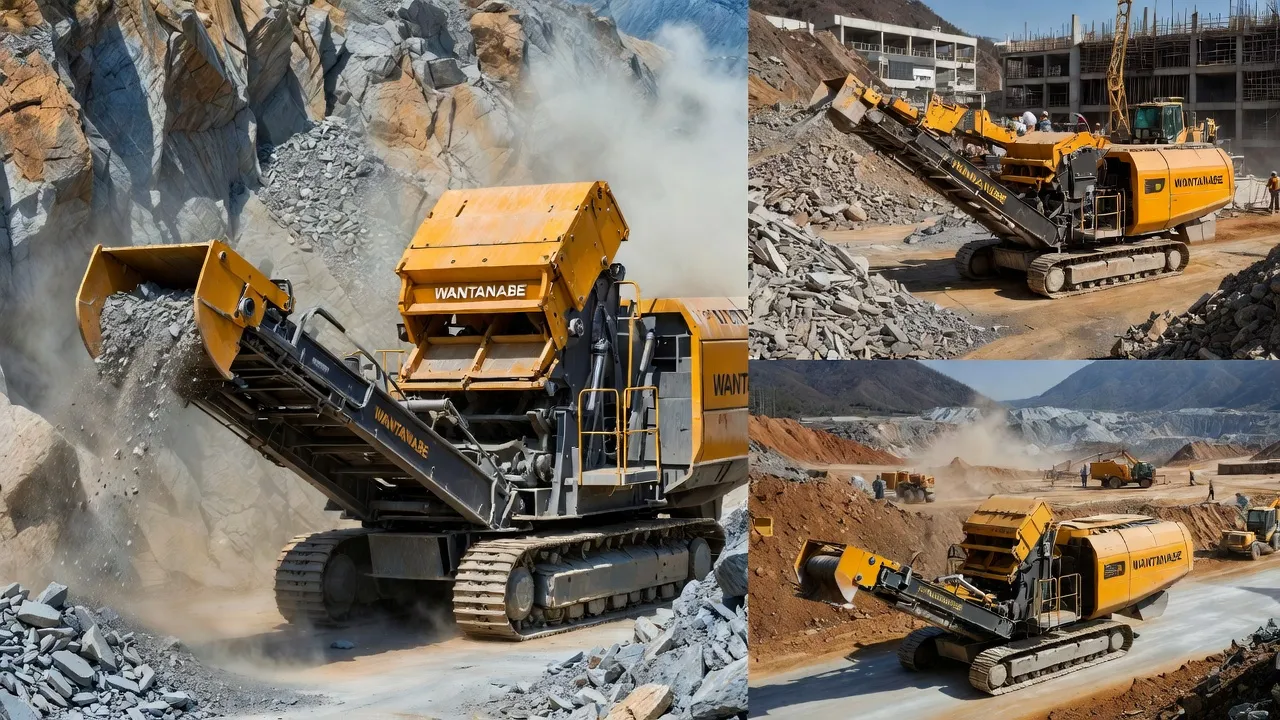
Drill Cutting Management and Downhole Formation Processing
Understanding Drill Cuttings as a Stone Processing Challenge
Rotary drilling of oil and gas wells generates drill cuttings — chips and fragments of formation rock brought to surface by the circulating drilling fluid (mud) from depths ranging from a few hundred to several thousand metres. Drill cuttings volumes can be substantial: a typical 2,000m onshore well generates 50–150 tonnes of cuttings depending on bit diameter and formation lithology. These cuttings arrive at surface mixed with drilling mud, requiring separation and management before final disposal or reuse. Water-based mud cuttings that have been separated and cleaned to low hydrocarbon content can, in many regulatory contexts, be processed through a stone crusher and used as engineered fill or road base material within the well pad footprint — converting a waste management cost into a materials supply contribution.
Processing Clean Cuttings Through a Stone Crusher
Clean drill cuttings from water-based mud systems, once separated from the mud stream by shaker screens and centrifuges, typically present as irregular 1–30mm fragments of formation rock that have undergone partial size reduction during the drilling process. Where the formation rock type is suitable (competent sandstone, limestone, or dolomite from reservoir intervals), these cuttings can be processed through a stone crusher machine configured with small aperture screens to produce a consistent 0–20mm crushed product suitable for well pad drainage blankets, sump base material, and access track infill. The key quality consideration is hydrocarbon contamination: cuttings from oil-bearing intervals must not be processed and spread on surface without oil content testing and regulatory clearance, as hydrocarbon-contaminated material requires specialist disposal under most Australian state petroleum environment regulations.
Well Pad Aggregate Production — On-Site Crushing Workflow
Pipeline Corridor Construction: Access Road and Trench Backfill Aggregate
Pipeline construction projects in remote Australian petroleum basins involve clearing and grading a construction corridor typically 30–50m wide over distances ranging from tens to hundreds of kilometres. Within this corridor, access roads must be established for the pipe stringing, welding, and lowering-in crews, and the pipeline trench requires clean, rock-free bedding material immediately surrounding the pipe and crushed rock backfill above the pipe zone to prevent soil subsidence and support the weight of any crossings. The volume of aggregate required for a long-distance pipeline access road and trench backfill programme is enormous: a 100km pipeline with an average 150mm gravel surfacing on the access track alone requires approximately 45,000 tonnes of aggregate, not counting trench bedding and select backfill volumes.
For pipeline projects traversing geological provinces with surface rock availability — which includes much of the carbonate terrain across inland Australia — an on-corridor mobile stone crusher deployed with the construction front provides a continuous aggregate supply that eliminates the trucking cost of quarry-sourced aggregate entirely. The crusher processes locally excavated or surface rock immediately adjacent to the section under construction, delivering aggregate directly to the access road grader or trench backfill operation without any haulage beyond the corridor width. This approach has been validated on multiple Australian pipeline projects as a significant aggregate cost reduction strategy, with documented per-tonne cost reductions of 60–80% versus truck-delivered quarry aggregate.
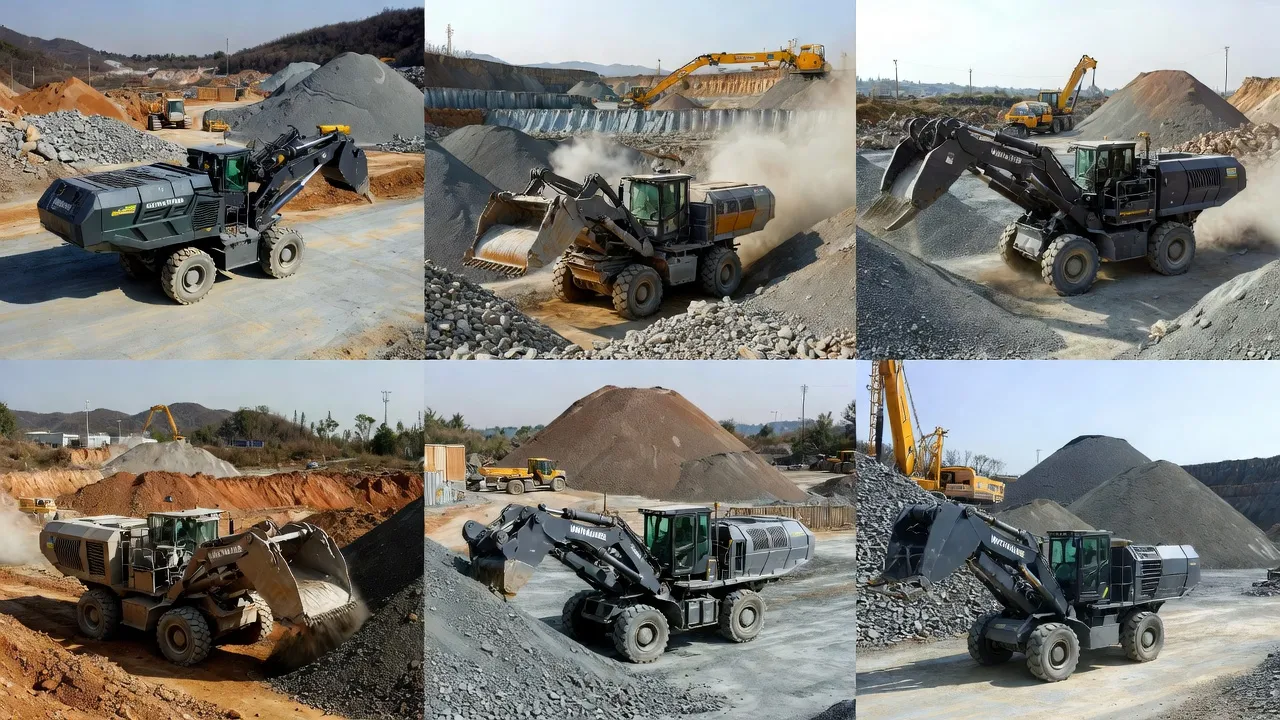
Produced Water Treatment: Filter Media and Basin Liner Aggregate
Produced water — the formation water that comes to surface with oil and gas production — must be treated before disposal or reinjection, and the treatment infrastructure includes gravel-packed filter columns, drainage blankets beneath evaporation basins, and coarse aggregate used as erosion protection around produced water disposal facilities. These aggregate components must meet specific gradation and cleanliness specifications: filter gravel for produced water treatment systems typically requires a well-graded 5–20mm fraction with low fines content to maintain hydraulic conductivity; basin liner drainage blankets use coarser 20–50mm angular crushed rock to provide drainage while supporting the liner against puncture from below.
Producing these relatively small but specification-critical aggregate volumes on-site, rather than trucking filter gravel hundreds of kilometres from a metropolitan quarry, is technically feasible with a correctly configured Watanabe stone crusher and represents a material cost saving. The production volumes involved (typically 50–500 tonnes per produced water facility) are well within what a single crusher session can produce, making this an opportunistic application rather than a full-time crusher deployment — something the tractor-mounted mobile configuration supports efficiently given its rapid setup and teardown capability.
Environmental Compliance in Petroleum Industry Crushing Operations
Crushing operations on petroleum exploration and production titles are governed by both state mining/quarrying regulations (for the rock extraction activity) and state petroleum environment regulations that prescribe environmental management requirements for all ground-disturbing activities within the petroleum lease area. Key environmental compliance areas for on-site crushing in petroleum operations include: vegetation clearance for rock extraction areas (requiring Environmental Authority compliance in QLD and equivalent instruments in SA and NT); dust suppression to protect air quality and prevent long-range dust deposition on pastoral land adjoining the lease; and stormwater management to prevent crushed rock fines from entering drainage lines that may connect to conservation-significant watercourses in arid zone environments.
In practical terms, petroleum operators conduct crushing within the environment management framework of their existing Petroleum Environmental Authority or equivalent instrument — adding the crusher operation as a defined activity within the site environmental management plan rather than obtaining a separate quarrying approval. Watanabe provides environmental specification documentation for crusher operations — dust suppression system performance data, noise emission specifications, and operational footprint dimensions — that operators require to demonstrate compliance with their environmental authority conditions when incorporating crusher activities into approved environment management plans.
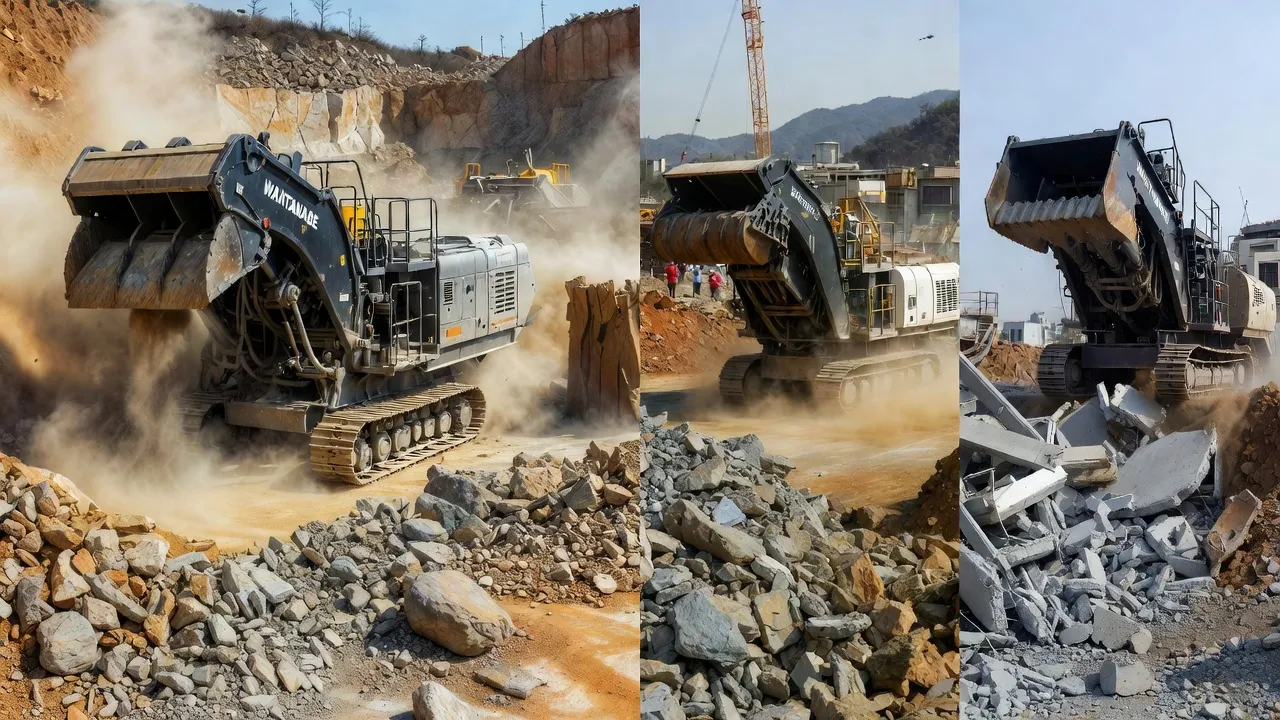
Cost Comparison: On-Site Crushing Versus Quarry-Delivered Aggregate for Remote Petroleum Operations
Operational Safety in Petroleum Field Crushing Environments
Crushing operations within active petroleum lease areas introduce specific safety considerations that differ from standalone mining or construction crushing contexts. The primary additional hazard is proximity to hydrocarbon infrastructure: operating a stone crusher near gas gathering lines, oil flowlines, or storage tank batteries creates ignition risk if equipment mechanical failures generate sparks near leaking hydrocarbon connections. Safe work procedures for petroleum field crushing must include: minimum exclusion distances from live hydrocarbon infrastructure (typically 15–25m from any pressurised connection); hot work permit procedures for any grinding or welding during maintenance activities within the petroleum lease; and coordination with the operations team to confirm wellsite facilities are in safe condition before crusher deployment on or near a producing pad.
The respirable crystalline silica WES compliance requirement (0.05 mg/m³ TWA) applies in petroleum field crushing operations identically to other crusher contexts — and is frequently overlooked in oil and gas field environments where the primary safety culture focus is on hydrocarbon and pressure hazards rather than dust management. Petroleum field safety management plans should explicitly include crusher dust suppression requirements and operator respiratory protection procedures as part of the pre-job risk assessment for any crushing activity, regardless of the short duration of most petroleum field crushing campaigns.
Seismic Survey Support: Track Road Construction in Exploration Areas
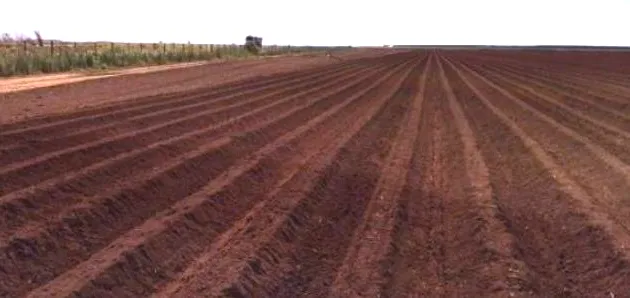
Seismic exploration surveys in Australian petroleum basins require construction of receiver and shot-hole access tracks across terrain that is frequently off-road — through desert gibber plains, across claypan systems, and over rocky ridges that have no existing vehicle access. Survey contractors must build temporary access sufficient for vibroseis or shot-hole drill vehicles to operate without bogging, then rehabilitate the track after survey completion to meet exploration licence environmental conditions. On-site crushing of naturally occurring rock within the survey corridor provides a cost-effective source of track surfacing material that is available immediately, eliminates inbound freight, and can be respread during rehabilitation to leave the landscape in a condition broadly similar to pre-survey status (which gravel simply spread on original ground surface achieves better than hard-packed imported quarry rock).
The seismic survey application is one of the most value-dense uses of a tractor-mounted mobile crusher in petroleum exploration contexts, because the survey track requirement is highly time-sensitive (the survey programme moves through the corridor in weeks, not months), the access is too remote for heavy quarry trucks to service economically, and the performance requirement for temporary track surfacing is modest enough that broad-specification local rock aggregate is entirely adequate. One Watanabe crusher deployed with the seismic survey advance crew can produce sufficient track surfacing material to stay ahead of the survey programme across terrain with adequate surface rock availability.
Watanabe’s Support for Petroleum Industry Crushing Programs in Australia
Australia Watanabe Tractor Stone Crusher Co., Ltd brings practical experience with remote Australian field deployment to petroleum industry crushing programs — understanding that operations in the Cooper Basin, Canning Basin, or Amadeus Basin face logistics realities that require equipment and support structures very different from those appropriate for southeastern Australian agricultural or construction applications. Watanabe’s standard equipment specification includes the sealed, dust-resistant bearing housings; heat-tolerant lubricant specifications; and robust chassis construction appropriate for the rough terrain, extreme temperatures, and minimal workshop support typical of remote Australian petroleum field operations.
For petroleum contractors planning a multi-well programme or pipeline construction project and assessing the economics of on-site aggregate production, Watanabe provides a programme cost analysis service — estimating the aggregate volumes required across the planned programme, identifying the rock source availability in the target basin area, and calculating the crusher investment payback period against the freight cost saving. This analysis, conducted before equipment purchase, ensures that the investment decision is based on verified programme economics rather than assumptions that may not reflect the specific basin geology and logistics conditions of the planned operations. Contact Watanabe’s technical team at [email protected] with your programme details to begin the assessment.
Featured Product for Oil & Gas Field Applications
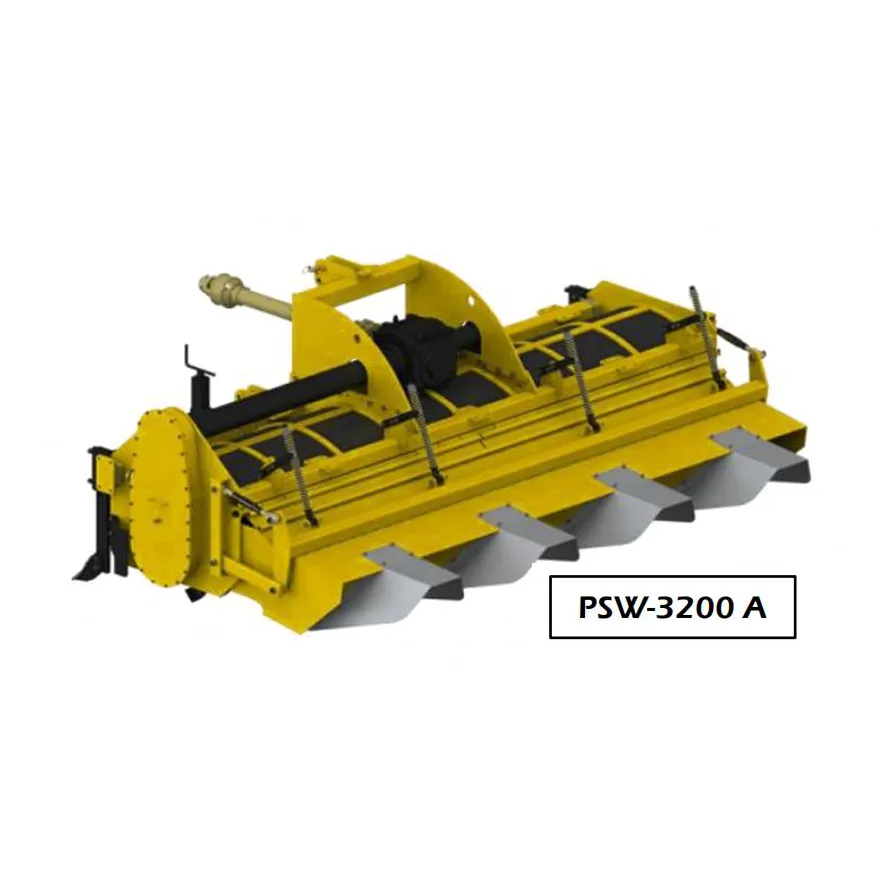
Watanabe PSW-3200 Series Stone Crusher
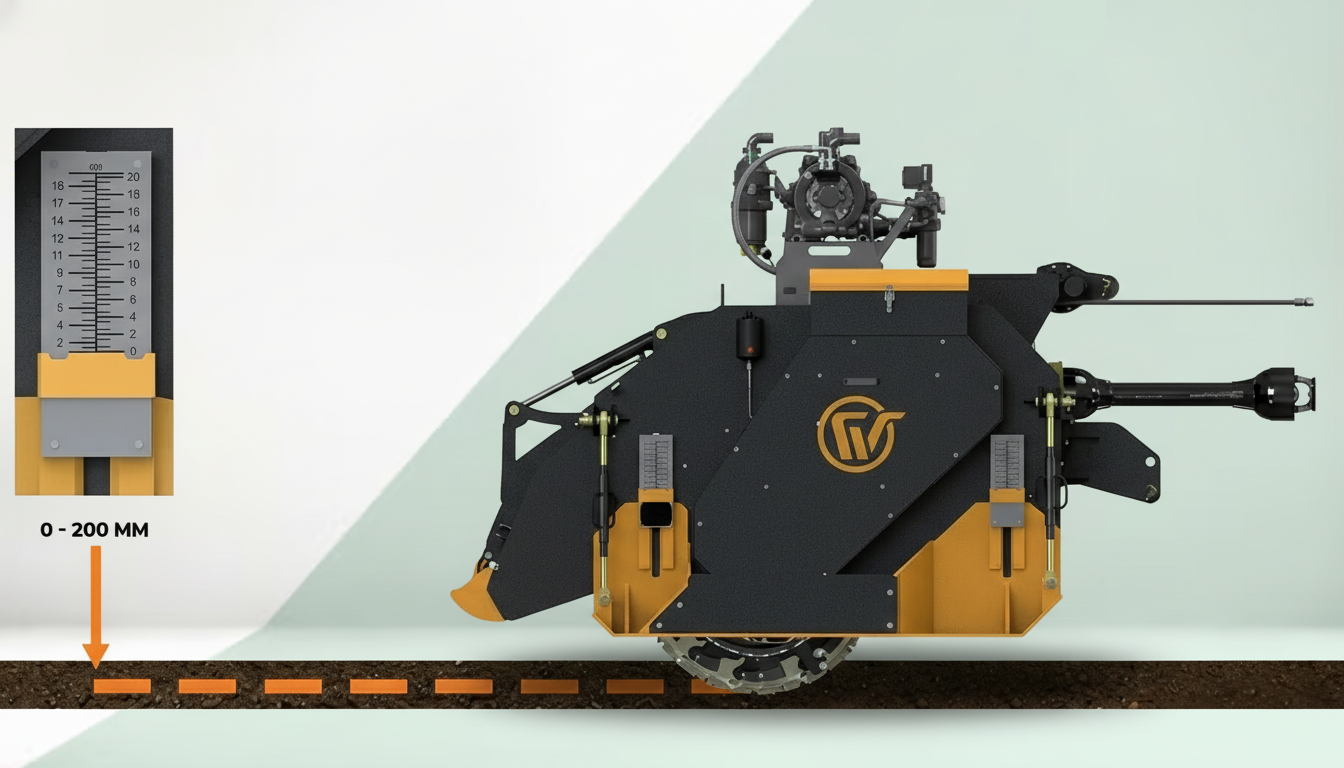
The PSW-3200 Series is Watanabe’s highest-capacity tractor-mounted stone crusher, delivering the throughput and reliability that multi-pad drilling programmes and long-distance pipeline construction campaigns require. With its 3200mm working width, heavy-duty rotor, and interchangeable screen grate sets from 10–75mm, the PSW-3200 handles the full range of central Australian petroleum basin rock types — limestone, sandstone, dolomite, and igneous basement rock — to produce well pad aggregate, access road base, and pipeline trench backfill in a single pass. Sealed bearing housings and heat-rated lubricant specifications are standard for remote Australian field conditions. PTO-driven from tractors starting at 130HP, deployable on a standard trailer, production-ready in under 30 minutes. Australian parts supply from Condell Park NSW with 2–4 day freight to all major regional centres.