
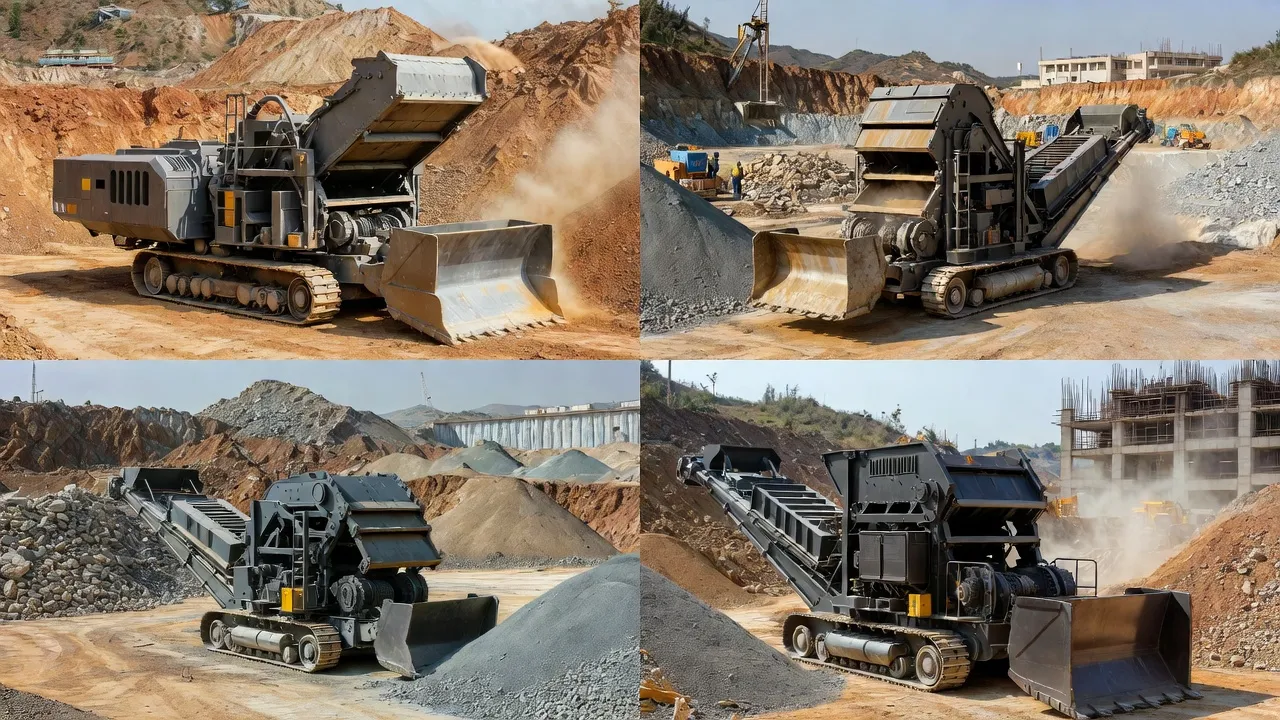
Why Recreational Aggregate Is the Most Demanding Stone Crusher Application
Sports and recreation aggregate applications impose quality requirements that exceed most structural engineering specifications in one critical dimension: visual and tactile uniformity. A golf course bunker filled with sand that contains occasional particles larger than 2mm will cause complaints from players; a horse arena with inconsistent footing depth caused by variable aggregate particle size creates genuine safety concerns for horse and rider; a synthetic turf field with uneven infill distribution produces unfair playing surface conditions across the field. In each case, the downstream performance consequence of aggregate quality variation is immediate and directly experienced by the end user — unlike road base or dam filter material, where quality deficiencies may take years to manifest as observable problems. This intensity of quality scrutiny makes recreational aggregate production one of the most technically demanding applications for a stone crusher machine, and the application where correctly configured fine-screen Watanabe equipment delivers its most visible differentiated value over imprecise alternatives.
The economic opportunity that on-site or near-site crushing creates for recreational facilities is substantial. Premium golf course bunker sand at $180–$280 per tonne delivered, equestrian arena footing at $120–$200 per tonne, and high-specification drainage aggregate for synthetic turf at $90–$160 per tonne represent price points where producing equivalent quality from local rock sources with a tractor stone crusher in Australia generates savings that fund significant facility upgrades from a single production season. For regional sports facilities serving communities where budget constraints limit ongoing maintenance investment, this cost reduction potential is not an incremental improvement — it is a transformative change in what is financially achievable with a fixed maintenance budget.
Golf Course Bunker Sand: Producing Specification Sand from Local Silica Rock
Understanding Golf Bunker Sand Specifications
Golf course bunker sand specifications — published by the Golf Course Superintendents Association of America (GCSAA) and adopted broadly by Australian golf course management — define a target particle size distribution typically between 0.25mm and 1.0mm (medium sand), with limits on fine content (sub-0.15mm) that causes bunkers to become hard and crusty, and on coarse content (above 2mm) that makes bunkers feel rocky and causes unpredictable ball lies. Sphericity and surface texture of the sand particles affect playability: subangular to rounded particles with moderate surface roughness produce the consistent, slightly firm bunker surface that golfers and course superintendents prefer over either the sticky quality of highly angular crusher fines or the overly mobile quality of perfectly rounded river sand. A Watanabe stone crusher configured with 1mm screen grates processing clean silica-rich quartzite or granite produces a crusher-run fine aggregate that, after washing to remove sub-0.1mm fines, frequently meets golf bunker sand specifications while delivering the characteristic warm tone of the local rock that gives the course a distinctive regional character.
On-Course and Near-Course Sand Production
Golf courses developed on rocky terrain — a common scenario for regional and rural courses in the granite country of south-east Australia, the limestone coastal ranges of SA and WA, and the basalt-topped hills of north-east Victoria — have the rock source needed for on-site bunker sand production literally within the course boundary. Outcrops cleared during fairway development, rock fragments from bunker excavation and reshaping programs, and surface stone removed from cart path alignments can all serve as feedstock for a fine aggregate production run that supplies bunker topdressing material from the course’s own geological resources. This on-course production is as local as production gets — the bunker sand visually matches the native rock visible throughout the course’s landscape, creating a subtle but genuine aesthetic coherence that premium course designers value.
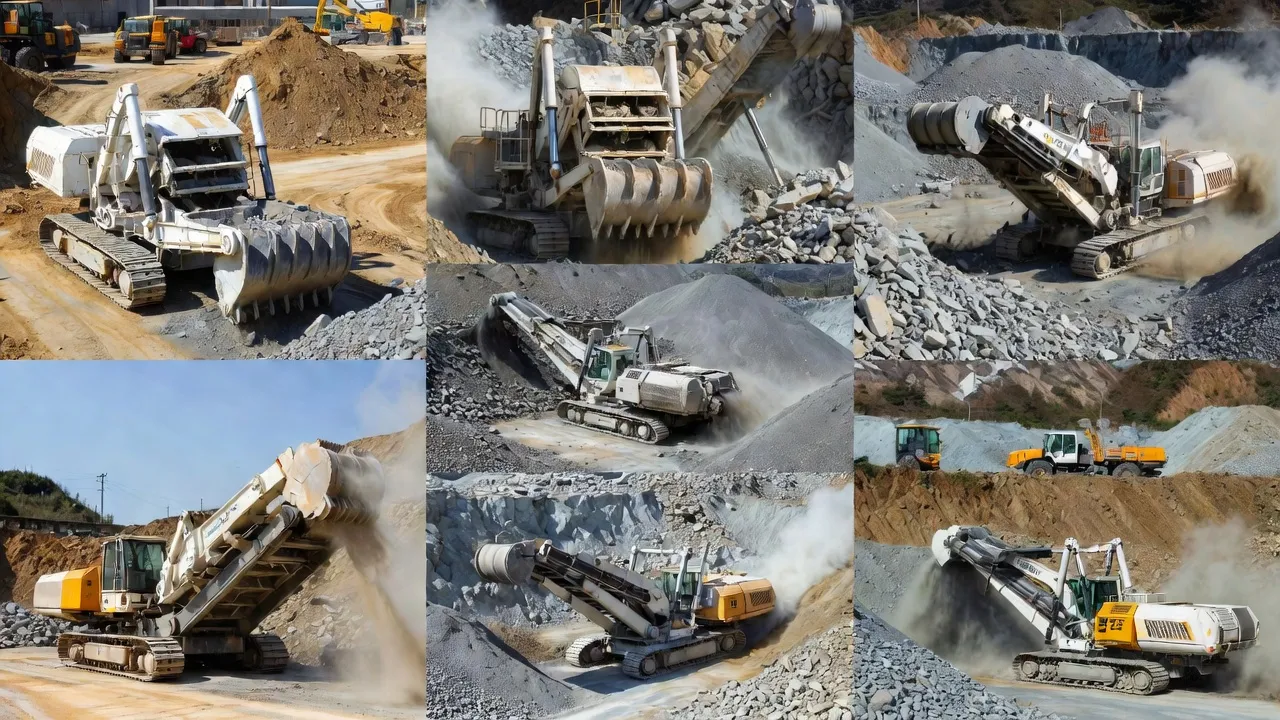
Equestrian Facilities: Arena Footing, Track Surface, and Drainage
Equestrian arena footing — the aggregate layer that provides cushioning, traction, and shock absorption for horses and riders — is one of the most technically demanding recreational aggregate applications in terms of the balance between particle size, particle shape, compaction behaviour, and drainage performance that must be simultaneously achieved. A footing that is too hard (dense, fine-particle aggregate with inadequate void space) causes limb concussion injuries in horses; one that is too loose (coarse, poorly graded aggregate with excessive void space) causes tendon strain from unpredictable footfall; and one with inadequate drainage becomes waterlogged and unsafe after rainfall. The specification for equestrian arena footing varies by discipline — dressage arenas need more cushioning than showjumping courses, and cross-country going needs to drain rapidly while maintaining consistent firmness — but the common thread is that particle size uniformity is the primary quality variable that the aggregate producer controls, and it must be controlled tightly.
For equestrian properties with accessible local limestone, granite, or quartzite, producing arena footing from on-property rock with a portable rock crusher configured with 5–10mm precision screen grates can supply an arena topdressing program at production costs that allow annual topdressing rates (typically 30–50 tonnes per 20m × 60m arena) to be maintained without the budget stress of commercial sand delivery. Racing tracks serving regional and rural equestrian clubs — where the track surface maintenance budget is often the largest single annual operational expense — benefit particularly strongly from on-site crushing, because the track surface area (a 1,000m track at 15m width = 15,000 m²) requires substantially more aggregate per topdressing cycle than a single arena, and the cost differential between commercial supply and local crushing is multiplied accordingly.
Golf Bunker Sand
Target: 0.25–1.0mm. Screen: 1mm grate, high-speed rotor. Source: clean quartzite or granite. Post-crush wash essential. Commercial equiv: $180–$280/t delivered.
Equestrian Arena Footing
Target: 2–8mm subangular. Screen: 8mm grate, moderate speed. Source: limestone or granite. Particle shape critical — angular preferred for grip. Annual top-up: 30–50 t per standard arena.
Cycling Track Base
Target: 0–20mm well-graded. Screen: 20mm grate. Source: granite, basalt, or quartzite. Sub-base requires CBR 30+ for road cycling. Mountain bike trail base: 10–40mm angular preferred.
Sports Turf Drainage
Target: 5–15mm single-size. Screen: 15mm. Source: hard, clean angular rock. Must be chemically inert with turf root zone. Sub-200m fines max 2%. Permeability: min 150mm/hr.
Sports Turf Drainage: Maintaining Playing Surfaces Through Wet Weather
Sports field drainage — the subsurface aggregate layer beneath natural and synthetic turf that maintains adequate surface drainage for year-round play — is a high-value application where aggregate quality directly translates into facility usability and revenue. A well-drained sports field that remains playable in all but the heaviest rainfall generates significantly more revenue from bookings, fewer cancelled games, and better community use than an equivalent field that becomes waterlogged and unplayable after moderate rain. The drainage layer — typically a 100–150mm layer of 5–15mm angular stone beneath a sand root zone or beneath a synthetic turf backing — must maintain adequate hydraulic conductivity over its service life without particle breakdown or contamination from the root zone above.
Councils and sporting clubs installing or rehabilitating sports field drainage programs across regional Australia face the same logistics challenge as other remote infrastructure projects: the delivered cost of specification drainage aggregate to regional centres can be $80–$140 per tonne, making full-field drainage installation unaffordable on typical community sport facility budgets. Where accessible local granite, basalt, or quartzite exists within 20km of the facility, mobile crushing from a local source with a precision-screened stone crusher attachment for tractor produces specification drainage aggregate at $12–$25 per tonne — a cost reduction that brings full-field drainage within the reach of community sporting club capital budgets rather than requiring government grant funding for a basic infrastructure investment.
Cycling Infrastructure: Trail Base, Pump Track Construction, and Velodrome Sub-base
Australian cycling infrastructure — from urban shared paths and rail trail conversions to mountain bike trail networks and dedicated criterium circuits — consumes aggregate products across a wide size range depending on the construction type. Mountain bike trail base course (10–40mm angular aggregate, used for trail tread formation and feature construction) requires angular, well-drained material that resists wheel wash on downhill sections while maintaining adequate bearing capacity for trail user traffic. Shared path and cycle lane sub-base (0–20mm well-graded crushed rock) must achieve CBR values adequate for light vehicle maintenance access. Pump track and skills area construction uses a coarser fill (20–75mm) for bulk shaping followed by a tightly graded 0–10mm topping for the riding surface.
For regional parks and recreation departments managing expanding cycling trail networks — a priority investment category in many Australian LGAs responding to community demand for active recreation infrastructure — the aggregate supply cost is one of the largest budget line items in trail development programs. On-site crushing from roadside rock cuttings during trail construction or from nearby borrow pits along the trail alignment reduces aggregate cost substantially while producing material with local character: basalt from the local geology, granite from the local ranges, limestone from the local coastal ridge. These locally sourced materials frequently produce better trail surfaces than imported fine aggregates because their hardness and angularity are matched to the local terrain and rainfall regime rather than being specified generically.
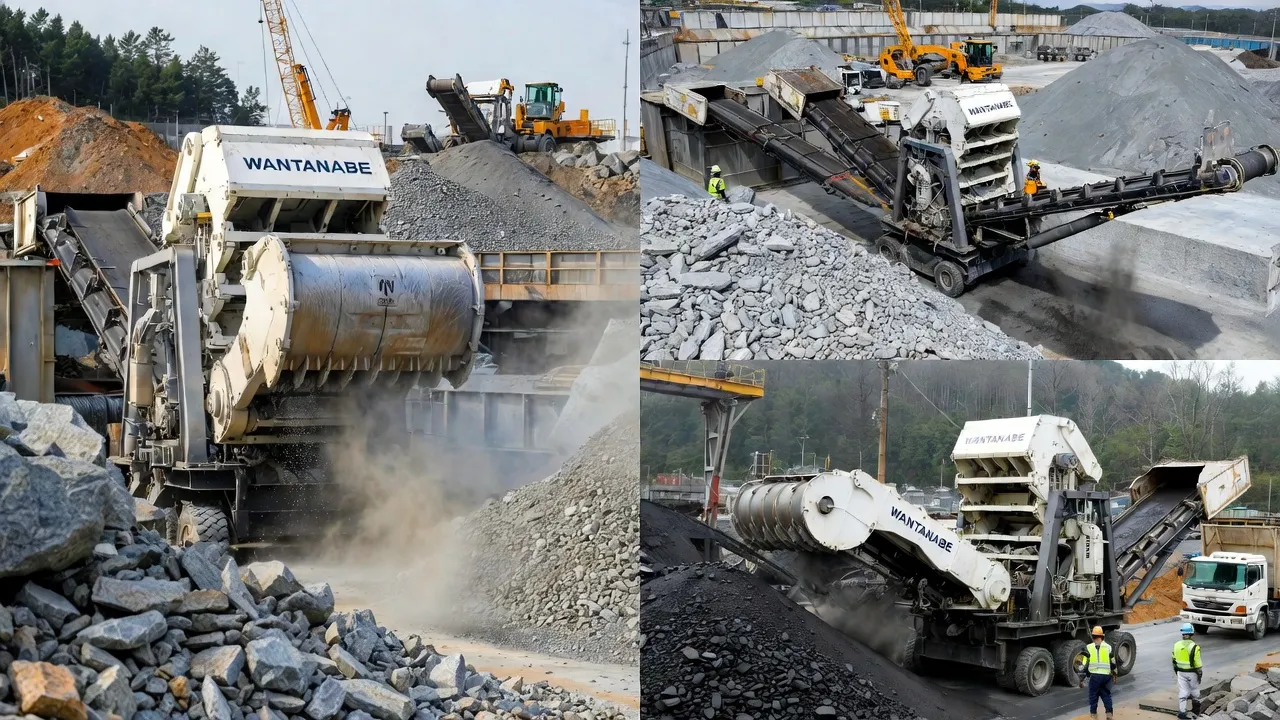
Synthetic Turf Infill and Sub-base Aggregate
Modern synthetic turf playing surfaces — used for football, hockey, rugby, and multi-sport courts across Australian schools, councils, and sporting clubs — require multiple layers of specific aggregate beneath and within the turf system. The sub-base layer (typically 150mm of 20–40mm crushed rock) provides structural stability and initial drainage. Above this, a bedding sand layer (0–5mm washed sand) creates the level surface on which the turf is bonded. The infill aggregate within the turf pile itself — either sand infill for hockey-specific surfaces or a crumb rubber/sand blend for football and rugby — fills the turf fibres to the required pile height and provides the resilience that gives the surface its performance and safety characteristics.
For the sub-base and bedding layers, on-site production from local rock using a precision-configured stone crusher reduces the delivered aggregate cost while maintaining the specification compliance required by synthetic turf system suppliers whose warranties are conditional on installation to specified sub-base standards. For the infill sand component, production from local clean silica rock at 0.5–1mm screen aperture produces a silica sand equivalent that meets most synthetic turf system infill specifications — subject to confirmation of particle angularity and surface texture against the turf supplier’s product approval requirements. Watanabe works with synthetic turf system suppliers to confirm crusher configuration recommendations that produce infill aggregate matching specific product line approval specifications.
Parks and Outdoor Recreation: Pathways, Playgrounds, and Water Features
Urban and regional park infrastructure — the network of walking paths, playgrounds, outdoor fitness equipment, water features, and open space facilities that define community quality of life — consumes aggregate in applications that combine functional performance requirements with visual presentation standards that make material choice as much an aesthetic decision as an engineering one. Decomposed granite for informal path surfaces is the classic example: technically, it is simply crusher-run granite fines at 0–10mm, but its warm colour, organic texture, and pleasant crunch underfoot make it the preferred surface for parks, gardens, and trail corridors where the path surface is part of the visitor experience rather than merely a functional substrate.
For local governments managing large parks estates with ongoing pathway maintenance programs, on-site crushing of locally quarried granite, basalt, or limestone from a single approved borrow pit creates a consistent aggregate supply with colour and character that matches established park infrastructure — an important consideration when topping up path surfaces in parks where the existing path material’s character would be visually disrupted by introducing aggregate from a different geological source. Councils in the WA wheat belt, the NSW tablelands, and the Victorian highlands have adopted this approach to supply decomposed granite and crushed limestone for their parks pathway programs, citing both cost savings and aesthetic consistency as the primary motivations for establishing local crushing arrangements.
Washing and Dust Control: Producing Premium-Grade Recreational Aggregate
The single most important post-crushing step for recreational aggregate production — particularly for golf bunker sand, equestrian footing, and synthetic turf infill — is washing to remove the sub-0.1mm fines generated during crushing. These ultra-fine particles, while present in small quantities, disproportionately affect the performance of fine recreational aggregate: they cause bunker sand to compact and crust; they reduce arena footing permeability below the drainage rate needed for safe wet weather use; and they can clog synthetic turf infill, stiffening the surface and reducing the shock absorption performance that player safety specifications require. A simple washing circuit — water over the discharged material with a collection and settling arrangement for the fine wash water — removes the majority of these problematic fines without requiring capital investment in dedicated washing equipment for most recreational aggregate production volumes.
For higher-volume recreational aggregate production (above 2,000 tonnes per year), a drum washer or log washer with closed-loop water recycling provides more thorough fines removal at throughputs matching the crusher’s production rate. Watanabe’s technical team can recommend washing equipment options scaled to the production volume and product specification requirements of specific recreational aggregate programs — matching the washing system investment to the commercial opportunity rather than specifying equipment that exceeds the scale of the production program it supports.
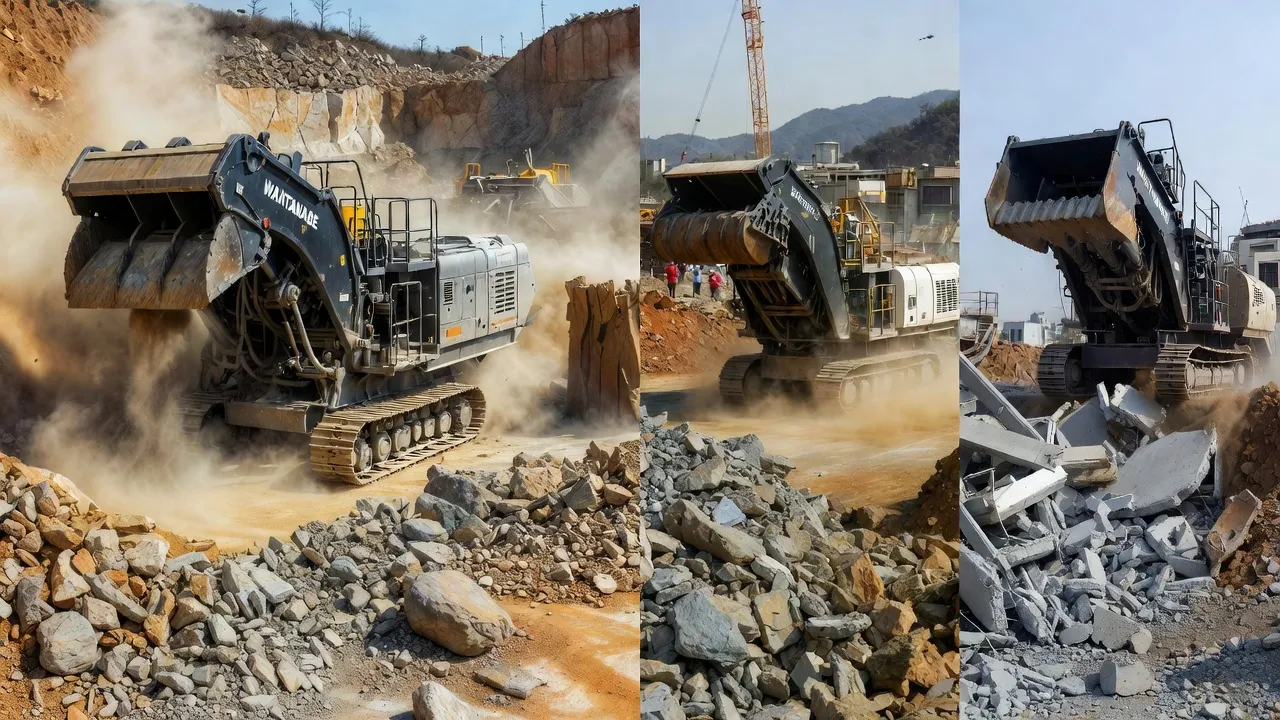
Screen Grate Configuration and Quality Control for Fine Recreational Aggregate
Recreational aggregate production operates at the fine end of the crusher’s output spectrum — screen apertures of 1–15mm compared to the 20–75mm typical of construction aggregate applications. This fine-duty operation requires more frequent screen grate condition monitoring and replacement than coarse aggregate production, because small increases in aperture dimension from progressive wear produce proportionally larger shifts in product gradation when the target size is already small. A grate aperture worn from 5mm to 6mm (a 20% increase) is insignificant for road base production but changes the product’s D60 (median particle size) meaningfully for equestrian footing — a shift that players and horses notice before the superintendent’s sieve analysis confirms it. Watanabe’s recommendation for recreational aggregate production is to check screen grate aperture dimensions weekly with a feeler gauge and replace grates when any measured aperture exceeds the nominal dimension by more than 0.5mm — a more conservative replacement interval than standard construction aggregate duty, justified by the premium price point of the recreational product and the client-visible consequences of product quality drift.
Watanabe’s Fine Aggregate Configurations for Australian Recreational Facilities
Australia Watanabe Tractor Stone Crusher Co., Ltd offers screen grate sets down to 1mm aperture for fine recreational aggregate production — a capability that distinguishes professional crushing equipment from general agricultural or construction crushers that are not designed or built to the dimensional tolerances required for sub-5mm recreational aggregate production. The Watanabe fine-aggregate configurations cover the full range of recreational products described in this guide, from golf bunker sand through equestrian footing to sports field drainage aggregate, with rotor speed recommendations optimised for each product’s target particle shape and surface texture characteristics. Watanabe’s recreational aggregate configuration service includes initial rock assessment (confirming source rock suitability for the target product), screen grate selection, rotor speed recommendation, and washing system guidance — providing the complete production setup needed to achieve a specification-grade recreational aggregate product from the first production run rather than through an extended trial-and-error optimisation process.
Contact the Watanabe team at tractor-stone-crusher.com/contact-us/ or email [email protected] with your target product specification, available rock type, and required annual production volume for a specific configuration recommendation and cost comparison analysis against your current commercial aggregate supply costs.

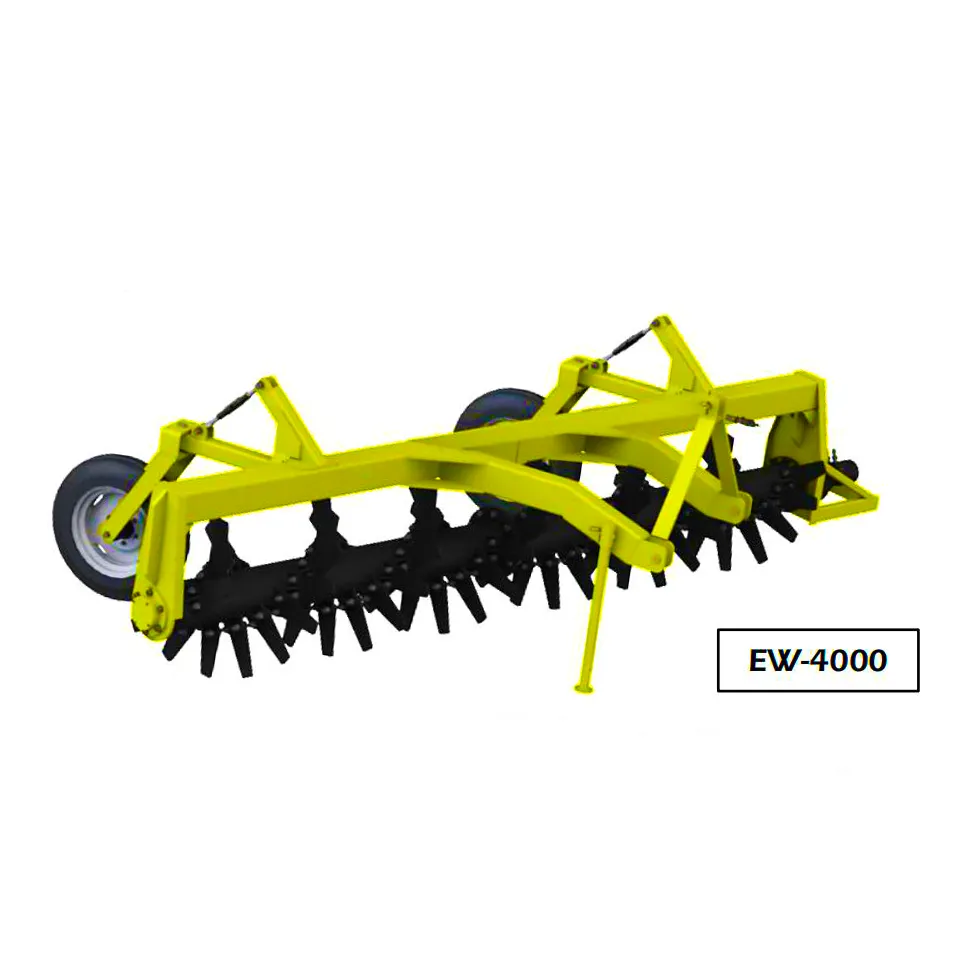
Featured Product for Sports & Recreation Aggregate
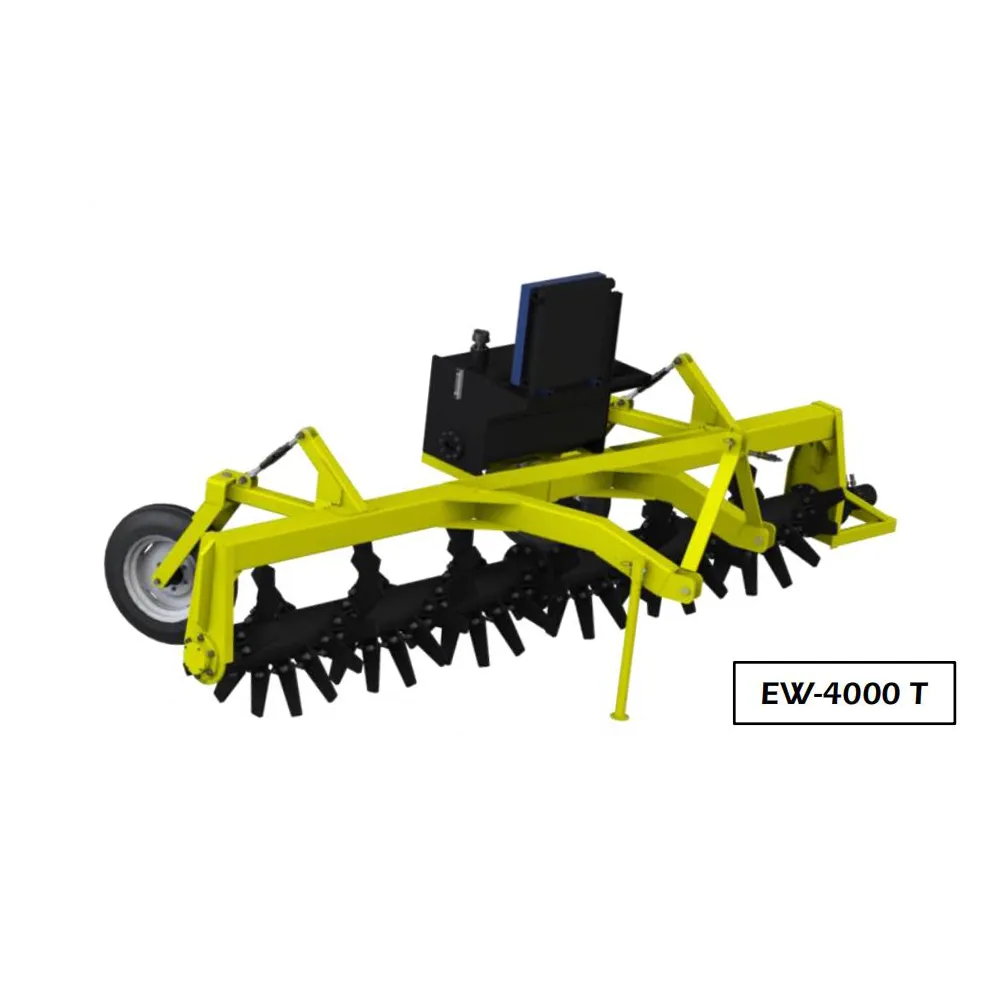
Watanabe Rock Rake EW-4000
The Rock Rake EW-4000’s precision fine-screen configurations make it the preferred Watanabe model for recreational aggregate production. With screen grate sets available down to 1mm aperture — manufactured to ±0.5mm dimensional tolerance essential for consistent fine aggregate output — the EW-4000 produces golf bunker sand, equestrian footing, sports field drainage aggregate, and decomposed granite path material from local quartzite, granite, and limestone sources. The 4000mm working width maximises production per tractor hour at the lower feed rates typical of fine-aggregate crushing. PTO-driven from tractors 100HP+. Interchangeable screen grates allow rapid product size change for multi-product recreational aggregate programs. Australian parts supply from Condell Park NSW with 1mm, 5mm, 8mm, 10mm, and 15mm grate sets available ex-stock.