
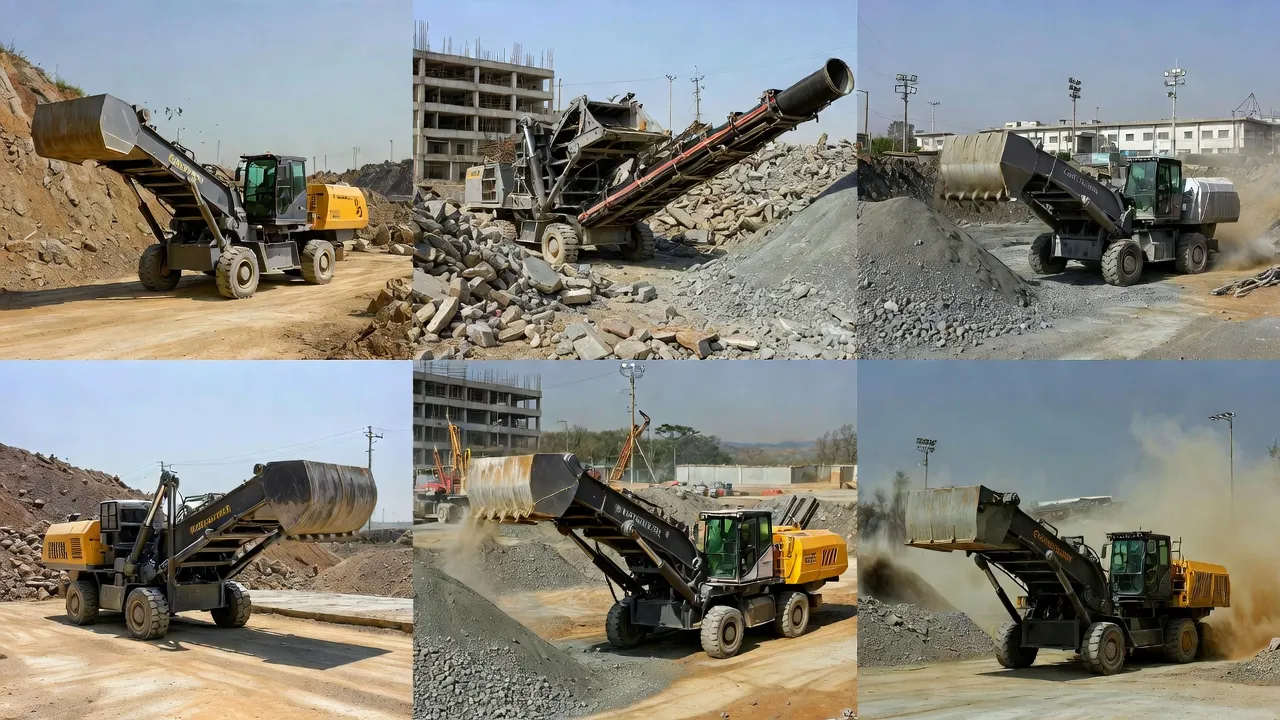
Water Infrastructure and the Stone Crusher — An Essential but Overlooked Partnership
Water infrastructure — the dams, weirs, channels, pipelines, and drainage systems that manage Australia’s most critical resource — consumes significant quantities of crushed rock and aggregate products in almost every element of its construction and maintenance. Filter zones in earth dam embankments, bedding aggregate beneath concrete-lined channels, rip-rap protection on dam faces and channel batters, gravel curtain drains around weir structures, and drainage aggregate for irrigation field layouts all require specific, graded crushed rock that cannot be substituted with unprocessed material regardless of its apparent suitability. The precision of water infrastructure aggregate specifications is not bureaucratic formality: filter zone particle size distributions in dams are calculated from Terzaghi’s filter rules to prevent piping and internal erosion — the failure modes responsible for most dam collapses — and getting these specifications wrong has consequences that far exceed the cost of the construction project itself.
For water infrastructure projects in rural and remote locations — which describes the majority of Australian dam and irrigation construction — the logistics of sourcing specification-grade aggregate from commercial quarries are frequently the single largest construction cost driver after earthworks. A tractor stone crusher in Australia configured for water infrastructure aggregate production provides a practical pathway to on-site production of filter zones, bedding aggregate, and rip-rap from locally available rock — reducing supply chain dependency, lowering material costs, and giving construction teams direct control over the product quality that safety-critical water infrastructure demands.
Earth Dam Construction: Filter Zones, Transition Layers, and Rip-Rap
The Critical Role of Filter Zones in Dam Safety
Earth and rockfill dams — the dominant dam type in rural Australia for farm water storage and minor irrigation water supply — rely on engineered filter and transition zones to protect the core embankment material from internal erosion. These zones, constructed from specific particle size ranges of crushed rock or gravel, prevent fine core material from migrating into coarser rockfill while maintaining adequate permeability for seepage drainage. ANCOLD (Australian National Committee on Large Dams) guidelines and state dam safety regulator requirements specify filter design criteria that directly translate into particle size distribution requirements for the filter aggregate. A filter zone that is too coarse allows core fines to migrate through it; one that is too fine restricts drainage and creates positive pore pressure in the embankment — both failure mechanisms with potentially catastrophic consequences for the dam and downstream community. Getting the filter aggregate specification right is not optional, and getting it right consistently across the full filter zone volume requires a crusher configured and operated to maintain product size distribution within the specified tolerance band throughout the production run.
Rip-Rap for Dam Face and Embankment Protection
The upstream face of an earth dam — the slope exposed to wave action from the reservoir — requires rock armour (rip-rap) to prevent surface erosion of the embankment fill. Rip-rap for farm dams typically consists of 150–400mm angular rock placed 300–600mm deep on the upstream batter, with a bedding layer of 50–150mm angular rock between the rip-rap and the embankment fill. Both the rip-rap and its bedding layer are product grades that a stone crusher machine configured with appropriate screen apertures can produce from locally available quarry rock or borrow pit material. On-site production from rock excavated during the dam foundation and abutment preparation — material that would otherwise require disposal — converts a waste management requirement into a direct supply of the protective rock needed for the dam’s face. This dual-purpose excavation approach is standard practice for well-managed small dam construction, and Watanabe’s PSW-3200 configured at 150–200mm aperture for rip-rap and 50mm for bedding layer material handles both product grades efficiently from the same hard rock source.
Earth Dam Aggregate Zones — What Each Layer Needs
Fine Filter Zone
Size: 0–5mm. Calculated from Terzaghi D15 rule against core material. Crusher screen: 5mm, high-speed rotor for fine output. Critical zone — sample every 200t.
Coarse Filter / Transition
Size: 5–40mm graded. Between fine filter and rockfill. Crusher screen: 40mm aperture, scalp sub-5mm fraction. Grading tolerance ±10% at key sieve sizes.
Rip-Rap Bedding
Size: 50–150mm angular. Between embankment fill and rip-rap face. Crusher screen: 150mm. Particle shape: angular preferred for interlock.
Rip-Rap Armour
Size: 150–400mm. Upstream face protection against wave action. Requires hard, durable rock (granite, basalt). Mass per stone calculated from wave height and fetch.
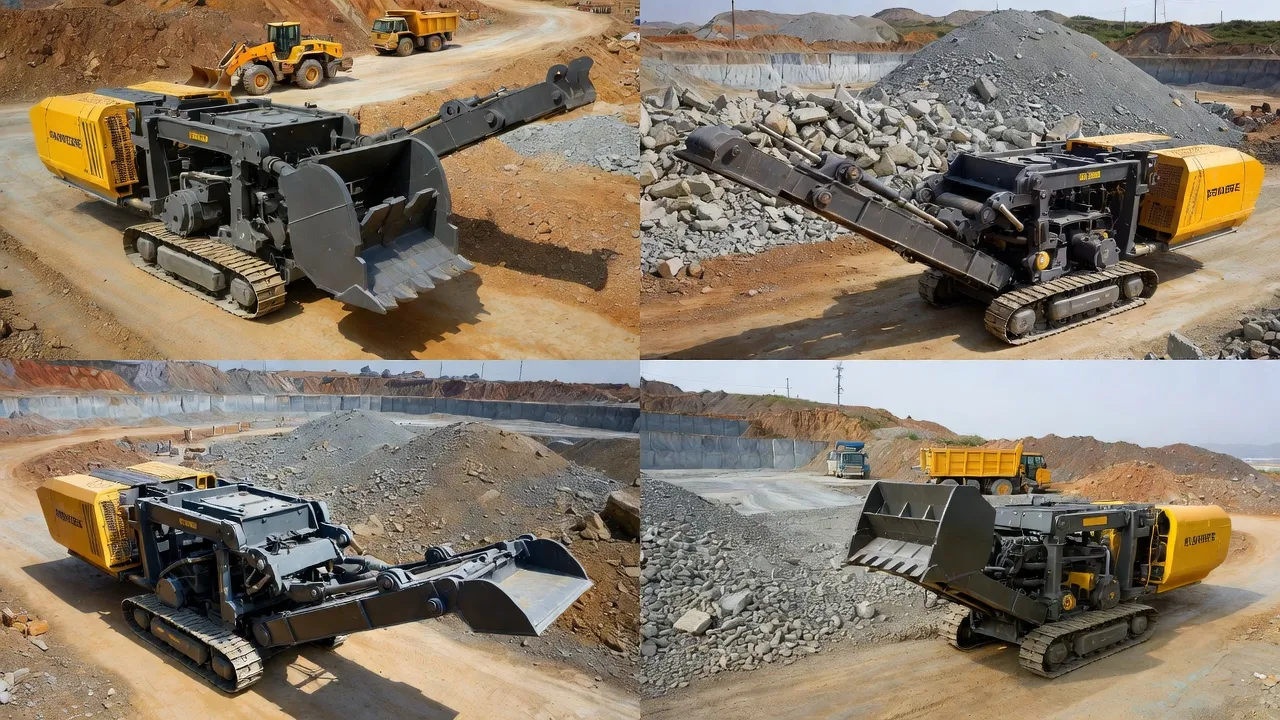
Irrigation Channel Construction and Lining Aggregate
Irrigation channels — whether earthen channels with rock lining, concrete-lined channels, or piped conveyances — consume aggregate products at multiple stages of their construction and maintenance lifecycle. Earthen channel batter protection uses 50–150mm angular rip-rap on side slopes to prevent erosion by irrigation flow velocities; concrete-lined channels require 10–20mm bedding aggregate beneath the concrete slab to provide a level, stable formation and drainage layer; and the access roads running alongside channel systems require road base aggregate to maintain the operational access needed for ongoing maintenance and water delivery management.
For major irrigation scheme infrastructure managed by irrigation corporations — Murray Irrigation, Murrumbidgee Irrigation, SunWater, and similar organisations — annual maintenance programs consume tens of thousands of tonnes of aggregate per year for channel batter restoration, regulator structure maintenance, and access road upkeep. Establishing a mobile crushing program using locally available quarry rock along the channel corridor reduces the delivered aggregate cost for these ongoing maintenance programs substantially compared to commercial quarry supply — and gives the irrigation corporation direct control over aggregate quality and availability, eliminating the supply disruption vulnerability that commercial quarry relationships carry when aggregate is needed urgently for emergency maintenance during peak irrigation season.
Farm Water Storage: On-Property Dam Construction and Protection
Farm water storage dams — the network of on-property catchment storages, turkey nest tanks, and gully dams that provide stock water, irrigation supply, and drought reserve across Australian agricultural properties — represent the most numerous category of dam construction in Australia by count, even though they are individually modest in size. A typical rural property may have 5–20 farm dams of 1–100 megalitres capacity, each requiring rock protection work at construction and periodic maintenance thereafter. The aggregate volumes per individual farm dam are modest — typically 50–500 tonnes of rip-rap and filter material — but aggregated across a property’s full dam portfolio, the total aggregate requirement is substantial, and the remote access and small individual volumes make commercial aggregate supply logistics both expensive and logistically challenging.
On-property crushing with an agricultural rock crusher solves the farm dam aggregate supply problem in a single investment. Rock excavated during dam foundation preparation can be processed into filter zone material on the dam site itself — without transport, without quarry approvals, and without the scheduling dependency on external supply that makes commercial aggregate supply impractical for the ad-hoc dam maintenance needs that arise across a busy farm calendar. Farm owners who have made this investment consistently report that the crusher’s value is most apparent not on large, planned dam construction projects but on the small, urgent maintenance requirements — a wave erosion scar on a dam face before rainfall, a seepage outlet needs gravel, a stock water trough surround needs resurfacing — that arise without warning and require an immediate response that commercial aggregate supply chains cannot provide.
Weir and Diversion Structure Construction
Weirs and diversion structures — the low-head hydraulic structures that control water level, divert flow into irrigation channels, and maintain minimum flows in regulated rivers — require angular rock protection in their stilling basins and downstream scour aprons where high-velocity flow would otherwise erode the channel bed and structure foundations. The energy dissipation aggregate in weir stilling basins must be well-graded, angular, and of sufficient mass to resist displacement by the design flood flow — typically 150–600mm rock for small weirs up to 3m head, specified by a designer using shield mobility criteria related to flow velocity and particle size. Supplying this protection aggregate from on-site crushing of locally available basalt or granite reduces the cost of stilling basin construction substantially compared to imported quarry supply, particularly for rural water diversion structures in the river systems of north-west NSW, south-west Queensland, and the WA wheat belt where commercial rock supply is difficult and expensive.
Environmental flow restoration projects — which are constructing low-head rock ramps and roughened rock chutes on rivers previously blocked by vertical weirs, to restore fish passage and ecological connectivity — represent a growing application for on-site crushing in water infrastructure. Rock ramps require precisely graded rock in multiple size classes (boulder, cobble, and gravel fractions in engineered proportions) to produce the hydraulic roughness profile needed for fish passage at a range of flows. A stone crusher configured with interchangeable screen grates allows the different rock size classes required for a rock ramp structure to be produced from the same locally sourced rock within the river corridor — reducing the material cost and transport impacts of a construction type that is inherently environmental in purpose.
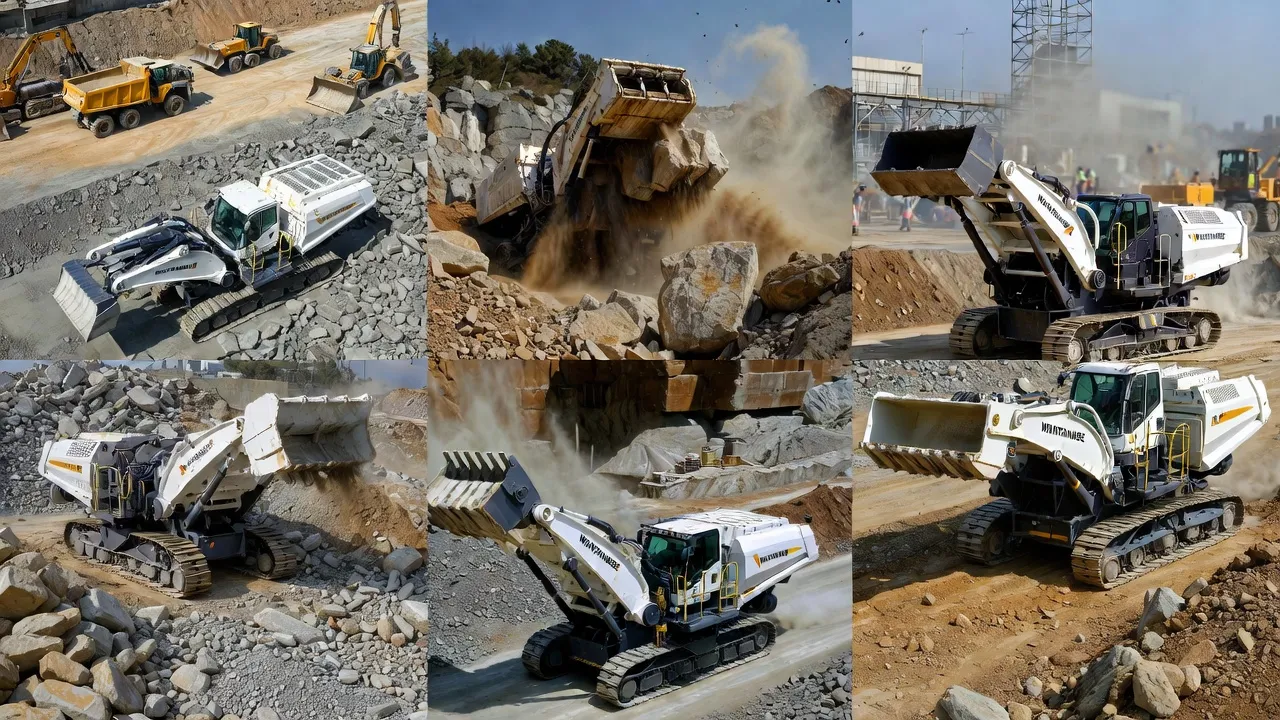
Subsurface Drainage Systems: Filter Media for Agricultural Land Drainage
Agricultural land drainage — the installation of subsurface pipe drainage systems to remove excess soil moisture from waterlogged paddocks — requires gravel filter media surrounding the perforated drainage pipes to prevent soil fines from entering and blocking the pipe system. Standard drainage filter gravel specifications require 5–20mm single-size aggregate with low fines content and adequate permeability — a product that the Watanabe stone crusher produces reliably at 20mm screen aperture from suitable locally available rock. In the irrigated horticulture regions of the Murray-Darling Basin, Goulburn Valley, and south-west WA where subsurface drainage is installed across tens of thousands of hectares of orchard, vineyard, and vegetable ground, the volume of drainage filter gravel required annually is substantial — and the delivered cost premium for commercial filter gravel at remote irrigation district locations makes on-site crushing from available local limestone or granite a directly cost-effective alternative.
For drainage installed under salinity management programs — subsurface drainage that intercepts saline groundwater before it rises into the root zone on irrigated land — the drainage filter media must be chemically inert to the moderately saline water it contacts. Limestone drainage filter aggregate is chemically stable in saline drainage water and is the preferred material in most salinity management drainage installations in the SA and WA irrigation districts where saline groundwater management is a primary land management challenge. On-property limestone crushing for salinity management drainage aggregate is one of the most direct applications of agricultural rock crushing technology to a defined environmental and production problem — and the cost savings relative to commercial aggregate supply can be measured directly in irrigated crop productivity improvements achieved through improved drainage performance.
Groundwater Bore Development: Gravel Pack Aggregate
Water bore construction for agricultural, pastoral, and rural water supply requires gravel pack aggregate — specifically graded crushed rock or washed gravel placed in the annular space between the bore casing and the borehole wall — to support the aquifer formation, prevent fine sand from entering the bore screen, and maximise water inflow per metre of aquifer penetration. Gravel pack specifications are calculated from the particle size distribution of the target aquifer material and typically require a narrow size band aggregate (e.g., 3–6mm, 5–10mm, or 6–12mm depending on the aquifer grain size) produced to tight tolerances that ensure consistent gravel pack permeability across the full bore depth.
Commercial gravel pack aggregate — a specialised product supplied in small volumes to individual bore construction sites — carries significant freight premiums in remote locations where bore development is most common. For water utilities managing large bore field development programs (10–100+ bores for town water supply or irrigation district supply), on-site crushing of clean silica-rich rock at the appropriate fine screen setting can produce adequate gravel pack aggregate at a fraction of the delivered cost of commercial gravel pack, with the additional benefit of allowing particle size selection to be matched precisely to the site-specific aquifer grain size data from the bore’s formation log rather than accepting the nearest standard commercial grade.
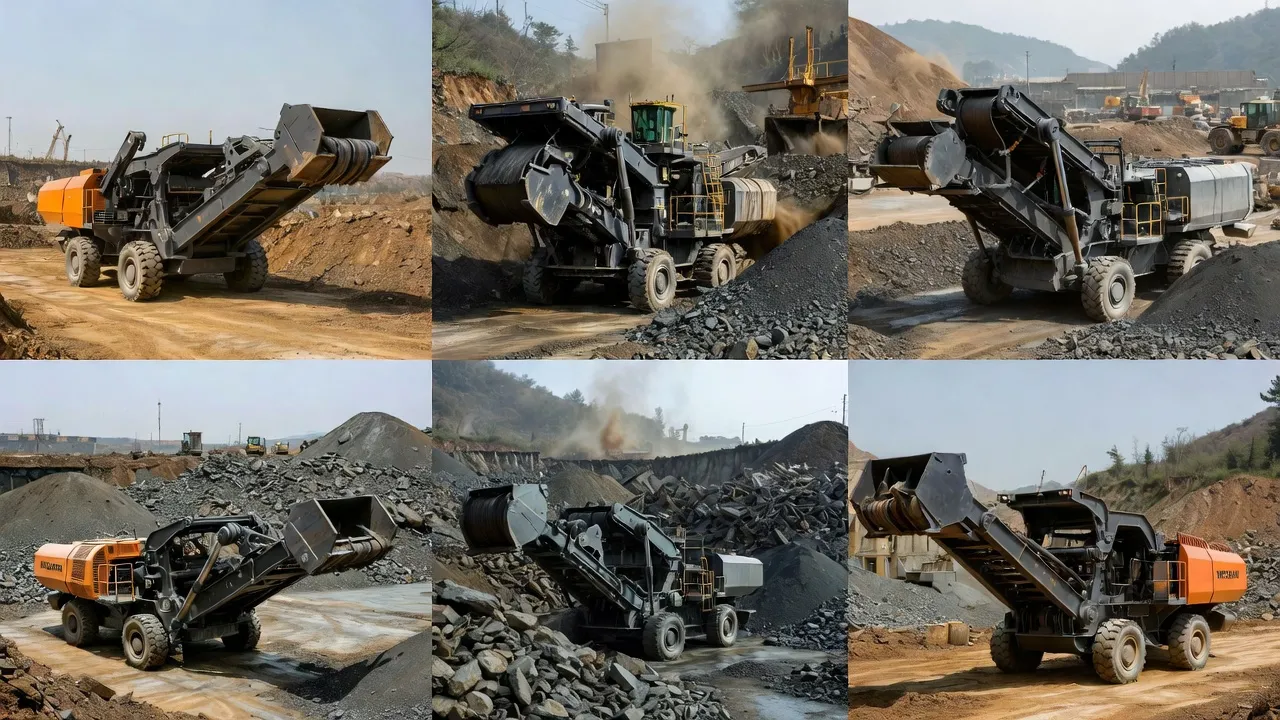
Flood Mitigation and Levee Bank Construction
Flood mitigation infrastructure — levee banks, floodways, and urban stormwater detention basins — requires similar aggregate products to earth dams in terms of filter zone design, batter protection, and outlet structure materials. The 2022 flood events in NSW and QLD demonstrated the consequences of inadequate levee design and construction materials across a large number of rural flood mitigation structures, and subsequent government-funded levee upgrade programs across these states are constructing and rehabilitating hundreds of kilometres of levee bank with properly designed filter zones and rip-rap protection — creating significant aggregate demand along river systems that are typically remote from commercial quarry supply.
The levee bank rehabilitation programs funded under state and federal Natural Disaster Recovery programs typically operate under tight budget constraints where reducing material costs is a direct multiplier on the length of levee that can be upgraded within the available funding. On-corridor mobile crushing from local river terrace gravel sources and nearby rock outcrops — which are common in the floodplain geology of most regulated river systems — produces filter and rip-rap aggregate at substantially lower delivered cost than commercial quarry supply, directly increasing the linear metres of levee upgrade achievable per dollar of government funding. Watanabe’s PSW-3200 Series, configured for multiple product grades with interchangeable screen grates, has been deployed on levee rehabilitation projects in regional NSW to produce filter and rip-rap aggregate from corridor borrow pits, with documented project cost savings of 35–55% on the aggregate component of those projects versus commercial quarry-delivered supply.
Quality Control for Safety-Critical Water Infrastructure Aggregate
Water infrastructure aggregate — particularly filter zone material for dams and levees classified as significant under state dam safety legislation — carries quality assurance obligations that exceed those for standard construction aggregate. Dam safety regulators in NSW (DPIE Dam Safety), QLD (DRDMW Dam Safety), VIC (DEECA), and WA (DWER) require that filter zone aggregate is designed, specified, produced, and tested in accordance with ANCOLD guidelines and the dam’s design report, with material testing records retained for the operational life of the dam. This means that crusher configuration records, source rock test data, production sampling results, and sieve analysis certificates must all be maintained in a format suitable for inclusion in the dam’s design and construction records — documentation that forms part of the dam’s formal engineering assessment under the state dam safety framework.
Watanabe provides production quality documentation templates specifically designed for water infrastructure applications, including crusher configuration records, screen aperture calibration documentation, and production sampling log formats that align with ANCOLD guideline reporting requirements. This documentation infrastructure makes the difference between an on-site crushing program that merely produces the right material and one that can demonstrably prove to a dam safety regulator or independent reviewer that the right material was produced consistently across the full filter zone volume — a distinction that is critical for dam safety compliance and potentially career-defining for the construction engineer responsible for the dam’s design and construction records.
Watanabe’s Water Infrastructure Aggregate Support
Australia Watanabe Tractor Stone Crusher Co., Ltd brings specific capability to water infrastructure aggregate applications that goes beyond the standard crusher manufacturer relationship. The Watanabe technical team understands that filter zone aggregate for a Category 1 dam under NSW dam safety legislation is not the same as road base for a rural council contract — and that the crusher configuration, production sampling protocol, and documentation requirements differ accordingly. Watanabe configures its water infrastructure crushers with the screen grate dimensional tolerances required for filter aggregate production, provides configuration recommendations based on the specific filter design requirements in the project’s dam design report, and supplies production quality documentation that satisfies dam safety regulatory requirements as standard output rather than as an additional service charge.
For water infrastructure project managers, irrigation corporations, and farm dam owners assessing mobile crushing for their aggregate supply requirements, Watanabe’s Condell Park NSW team provides site-specific consultation covering source rock assessment, filter design specification translation into crusher settings, and quality assurance planning. Contact the team at tractor-stone-crusher.com/contact-us/ or email [email protected] with your project details and filter design specification for a configuration recommendation and quality assurance planning consultation.
Featured Product for Water Infrastructure Applications
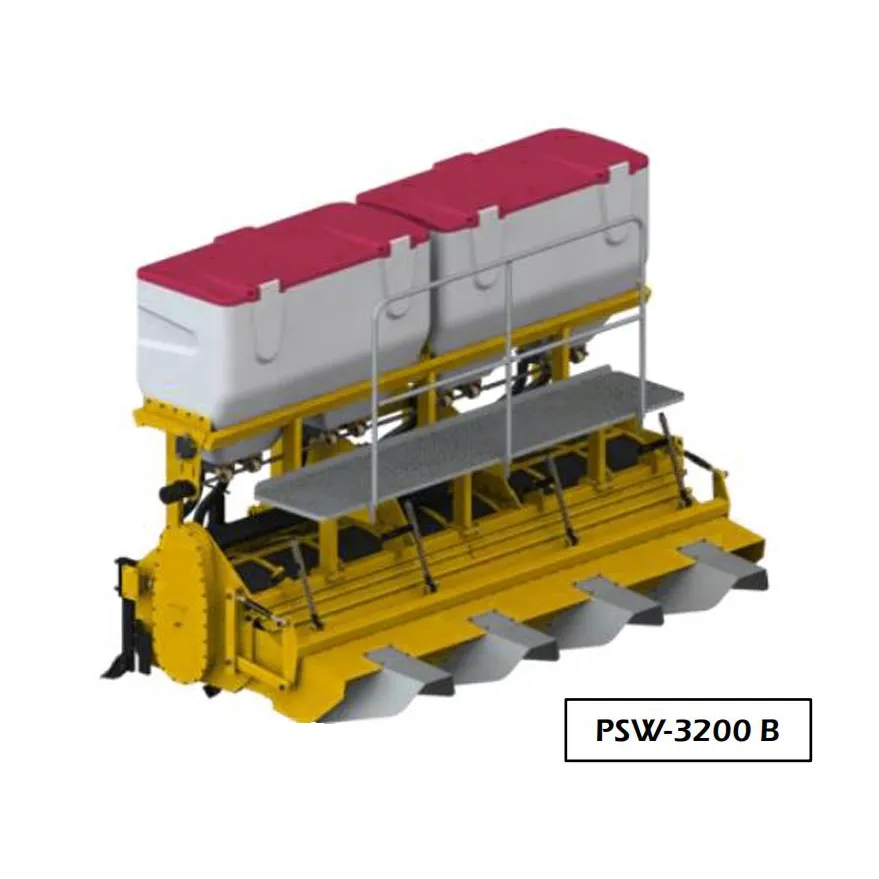
Watanabe PSW-3200 Series Stone Crusher
The PSW-3200 Series is Watanabe’s recommended crusher for water infrastructure applications requiring consistent, specification-grade product across safety-critical aggregate zones. With precision-manufactured screen grate sets held to ±1mm dimensional tolerance — essential for filter zone aggregate production within ANCOLD design specification bands — the PSW-3200 produces fine filter (0–5mm), coarse filter (5–40mm), bedding layer (50–150mm), and rip-rap bedding aggregate from a single machine by screen grate exchange. Heavy-duty rotor handles the full range of hard igneous and sedimentary rock types that supply dam and irrigation infrastructure projects. Full production quality documentation package included for dam safety regulatory compliance. PTO-driven, tractor requirement 130HP+. Australian parts and support from Condell Park NSW 2200.