
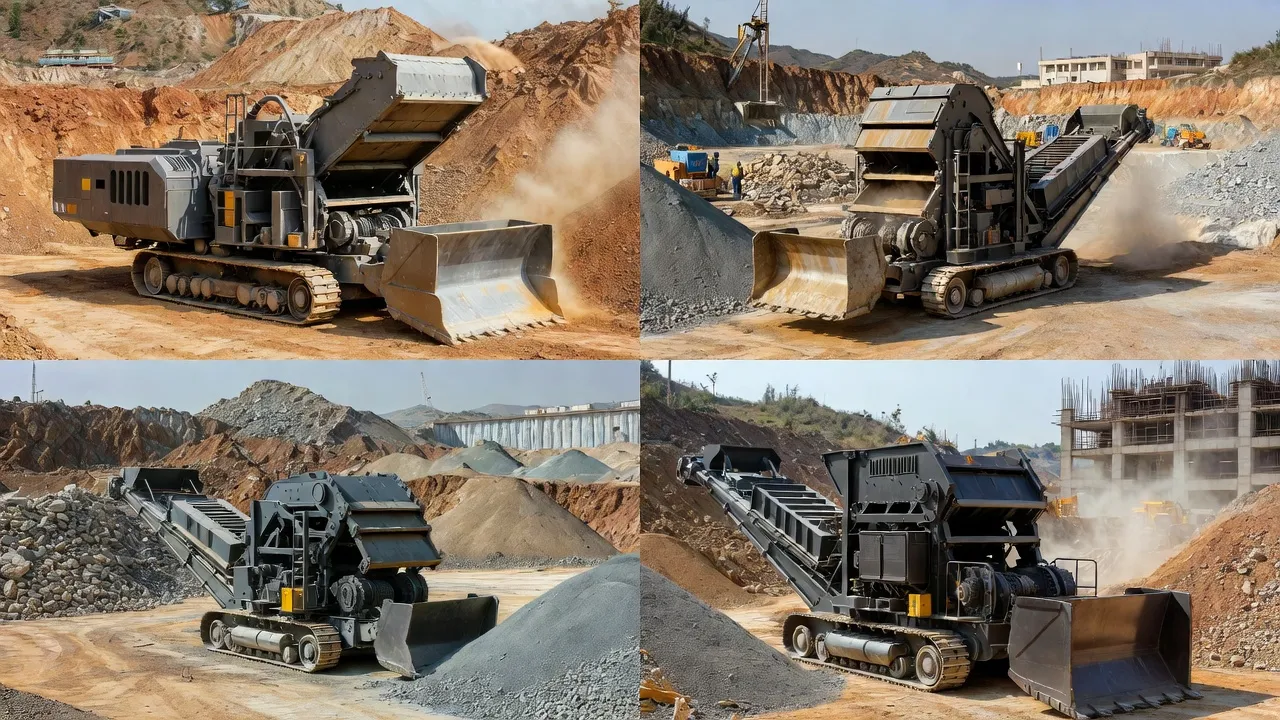
Agricultural Crushing: The Farm-Scale Resource Most Landholders Overlook
Across every agricultural region of Australia, farm properties hold rock resources that most landholders either ignore, work around, or pay to have removed — limestone outcrops that could be producing agricultural lime, field stone accumulations that impede cultivation and damage equipment, gravel ridges that could supply farm track material for years, and quartzite or granite exposures that could become decorative landscape products with genuine commercial value. The reason most of these resources go unexploited is not lack of awareness — it is lack of accessible, affordable crushing equipment that can be operated by the same person who runs the farm without specialist training or dedicated infrastructure investment.
A tractor-mounted agricultural rock crusher mounted on the farm’s existing tractor changes this calculation fundamentally. The same machine that already handles cultivation, spraying, and fodder handling now also processes stone resources from within the property boundary — converting a land management burden (field stone clearance, surface rock management) and an external expenditure (agricultural lime purchases, farm track aggregate supply) into a productive, cost-reducing activity that improves both paddock productivity and farm infrastructure condition. For farming businesses operating on tight margins, this dual benefit — reduced input costs and improved paddock output — from a single equipment investment is a compelling economic case that Watanabe’s agricultural configuration is specifically designed to deliver.
Agricultural Lime Production: Replacing Purchased Lime with On-Property Crushing
The Agronomic Case for Lime and What Gradation Means for Effectiveness
Soil acidity — pH below 5.5 in the surface horizon — reduces crop and pasture productivity across millions of hectares of Australian agricultural land, primarily in higher-rainfall zones of NSW, VIC, SA, WA, and QLD where leaching progressively removes base cations and allows aluminium and manganese to reach phytotoxic concentrations. Ground limestone is the primary and most cost-effective soil pH correction material, but its effectiveness is critically dependent on particle size: fine particles (sub-0.5mm) react rapidly and produce pH response within weeks; coarser particles (2–4mm) react slowly over 2–3 years, providing residual pH maintenance; particles above 4mm are effectively inert on agronomically relevant timescales. An agricultural lime product that meets the Effective Neutralising Value (ENV) required by Australian lime quality standards must contain an adequate proportion of fine material — typically 50%+ passing 0.5mm by mass — to achieve a meaningful soil pH response within the cropping year of application.
Configuring the Agricultural Rock Crusher for Lime Production
Producing agricultural lime from on-property limestone requires a crusher configuration that generates the fine product fraction needed for agronomic effectiveness. Unlike structural aggregate production where fines are minimised, lime production deliberately targets fine output — rotor speeds are set at the higher range to maximise energy transfer per impact and fragment size reduction, and screen apertures are selected at 5mm or below to retain material in the crushing chamber until it is sufficiently fine to exit. The resulting product — a broadly graded 0–5mm limestone fines — covers the particle size range required for reasonable ENV values when the source limestone has adequate calcium carbonate content (typically >80% CaCO₃). Farm operators processing on-property limestone through a Watanabe agricultural rock crusher in lime configuration routinely produce material with ENV values of 65–85% — comparable to commercial agricultural lime grades — at production costs of $4–$12 per tonne, versus purchased agricultural lime at $50–$120 per tonne delivered to remote or semi-remote farm locations.
Cost Reduction
On-property production at $4–$12/t replaces purchased lime at $50–$120/t delivered to remote farms. Savings of $40–$110/t across typical application rates of 2–5 t/ha. Payback period typically 1–3 seasons for moderate-scale cereal farms.
Agronomic Timing
On-demand production allows lime application timed to agronomic requirements — immediately after harvest, before sowing, or in autumn breaks — without dependence on commercial supplier delivery schedules or seasonal supply constraints.
Consistent Quality
Fresh-crushed on-property lime from a consistent geological source typically has more uniform CaCO₃ content and moisture characteristics than commercial lime that may be partially weathered in storage. Know your source chemistry through quarried position rather than trusting supplier batch certificates.
Field Stone Clearing and Paddock Rehabilitation
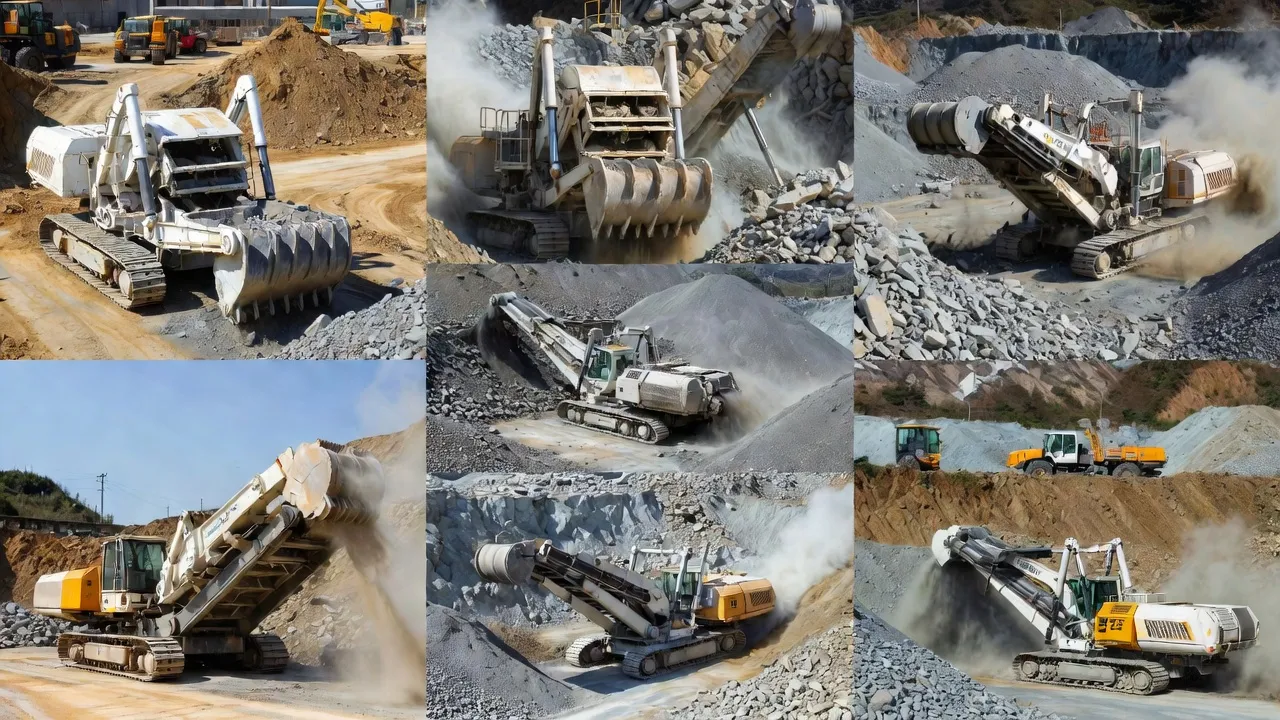
Surface rock accumulations on agricultural land — whether naturally occurring in shallow-soiled rocky country, post-clearing stone left from land development, or frost-heave exposures in southern tablelands — create real and measurable productivity losses. Rock-covered paddocks suffer reduced pasture establishment density, increased cultivation wear on seed drills and tynes, seeder blockages that cause skipped rows and yield loss, and occasional machinery damage costs that compound over years of operation in rocky conditions. The conventional management approach — piling rocks in windrows with a front-end loader — removes the immediate cultivation hazard but permanently reduces the paddock area available for production and creates drainage and weed management problems along the windrow lines that persist for decades.
Crushing surface rock in situ with a tractor-mounted agricultural rock crusher is a fundamentally superior rehabilitation approach: rather than removing the stone from the paddock (which removes the calcium and mineral content that weathering from the rock would otherwise contribute to soil chemistry), the crusher reduces the stone to a fine gravel that either incorporates into the soil profile through cultivation or remains as a surface mulch layer that improves moisture retention and reduces evaporation. The crushed rock fraction, being calcium-rich in limestone country, also contributes directly to soil pH correction — a double benefit where paddock rehabilitation and soil amelioration occur simultaneously from the single crushing pass. For farmers in the southern NSW and Victorian tablelands who have historically managed rock by endless windrow piling, this approach represents a genuine shift in how the land management challenge is addressed.
Farm Track and Infrastructure Aggregate from On-Property Rock
Farm tracks, dam access roads, stock yards, machinery sheds, and cattle grid approaches all require gravel surfacing to remain operational in wet conditions — and in most Australian farming regions, this gravel either comes from an off-property commercial source at significant cost, or it is entirely absent, leaving dirt tracks that become impassable in winter and heavily rutted in heavy vehicle use. Properties with on-property rock sources have a latent infrastructure solution that the agricultural rock crusher can unlock: surface rock, quartzite ridges, limestone outcrops, and creek gravel deposits can all be processed into 20–40mm farm track aggregate at operational costs that represent a fraction of delivered commercial aggregate prices.
The productivity benefit of properly surfaced farm tracks is not theoretical — it is immediately tangible in reduced tractor fuel consumption on wet tracks, reduced vehicle maintenance costs from rutted surfaces, and the elimination of the access disruption that causes missed application windows for spraying, fertilising, and harvesting operations. A single season of improved track access in a wet winter can recover several years of crusher operating cost through prevented crop losses from delayed harvest operations. Watanabe’s rock rake and crusher configurations for farm aggregate production are specifically calibrated for the irregular, weathered surface rock materials that dominate accessible on-property rock sources in the main farming regions — producing functional, workable track aggregate from material that standard crusher configurations would struggle with due to irregular shape and variable hardness.
Viticulture and Intensive Horticulture: Vineyard Floor Management and Drainage
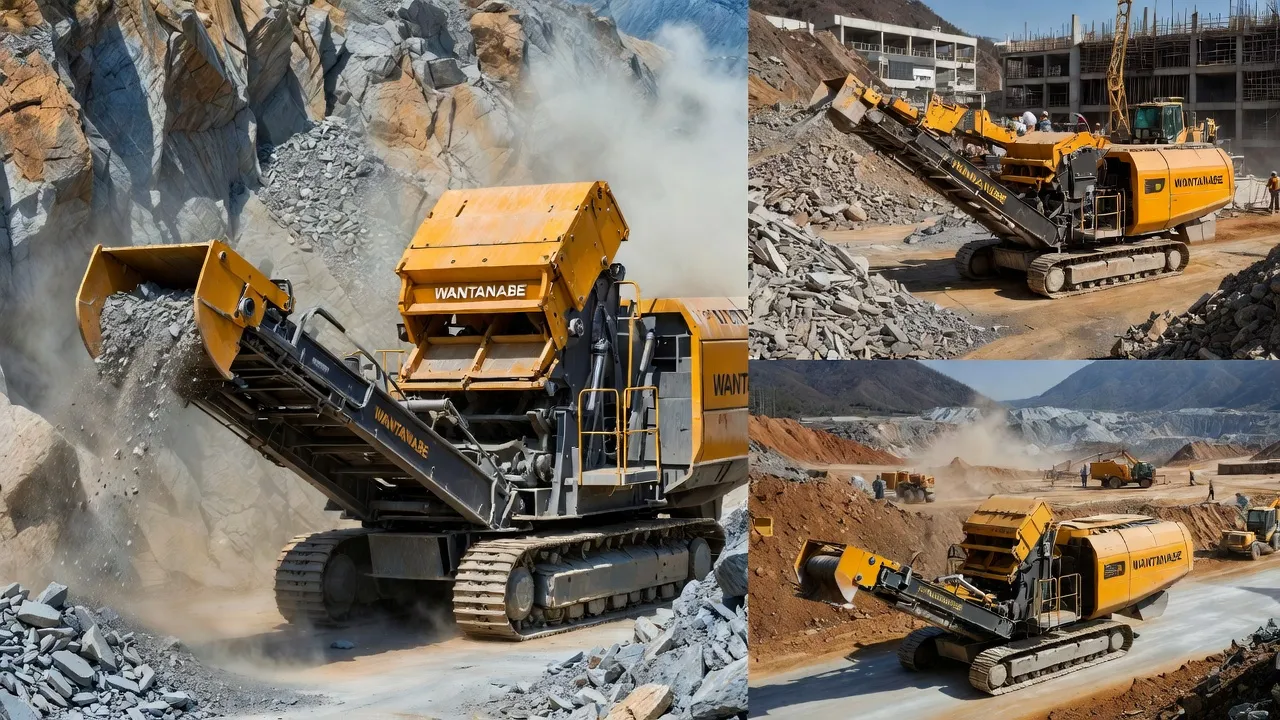
Australian viticulture regions — the Barossa Valley, Clare Valley, Hunter Valley, Margaret River, Coonawarra, and numerous emerging regions — have strong agricultural tradition of using crushed rock for vineyard management applications where both soil physical improvement and visual aesthetics matter. Crushed limestone in vine rows controls weed growth, reflects light to warm fruit during ripening, improves drainage in clay soils, and gradually releases calcium that supports vine root development in acid subsoil conditions. Crushed granite or quartz gravel under vine trellises provides the well-drained rooting environment that premium Shiraz and Cabernet varieties prefer — and in wine regions where the “terroir” narrative includes the geological character of the soil, the visual presence of local rock material in the vineyard communicates an authenticity that has genuine marketing value for estate-produced wines.
For viticulture and intensive horticulture operations with on-property rock sources, producing site-appropriate vineyard floor aggregate from local stone is both agronomically effective and commercially differentiated — the “local limestone from our vineyard hillside” narrative that appears on premium wine labels and cellar door storytelling reflects a genuine practice that on-property crushing enables. Watanabe’s viticultural aggregate configurations produce 10–30mm single-size crushed limestone or granite from on-property deposits at production costs that allow application rates of 50–150 tonnes per hectare to be economically justified — rates that commercial aggregate pricing typically makes prohibitive for all but the most premium vineyard operations.
Horticultural Growing Media: Perlite Alternatives and Drainage Aggregate
Commercial horticultural production — protected cropping, nursery stock, cut flower growing, and intensive vegetable systems — uses growing media components that modify soil structure and drainage characteristics to support high-value crop production. Perlite, pumice, and coarse grit are the standard structural components added to potting mixes and raised bed growing systems to improve aeration and drainage around root zones, but all three are imported or quarry-sourced at significant cost. For horticultural producers with access to suitable local rock — volcanic pumice or scoria (in regions with recent volcanic geology), crushed granite or basalt fine grit, or coarse silica sand — on-property crushing can produce adequate alternatives to purchased growing media components at a fraction of the commercial price.
The specific growing media application determines the target particle size and chemical requirements. Coarse drainage grit for raised beds and nursery container mixes requires 2–10mm inert, angular particle material — well-produced by a Watanabe crusher configured with 10mm screen grates processing granite or basalt. Root zone drainage blankets for sports turf and premium lawn installations require 6–12mm angular drainage aggregate — a slightly coarser configuration from the same crusher. What these applications share is a requirement for clean, chemical inertness (no soluble salts or phytotoxic elements), and consistent particle size — quality characteristics that on-property Watanabe production can deliver when the source rock chemistry is confirmed appropriate through a basic leach test before production commences.
On-Farm Crushing Workflow — From Field Stone to Soil Benefit
Garden Landscape Stone: Producing Premium Decorative Products from Farm Rock
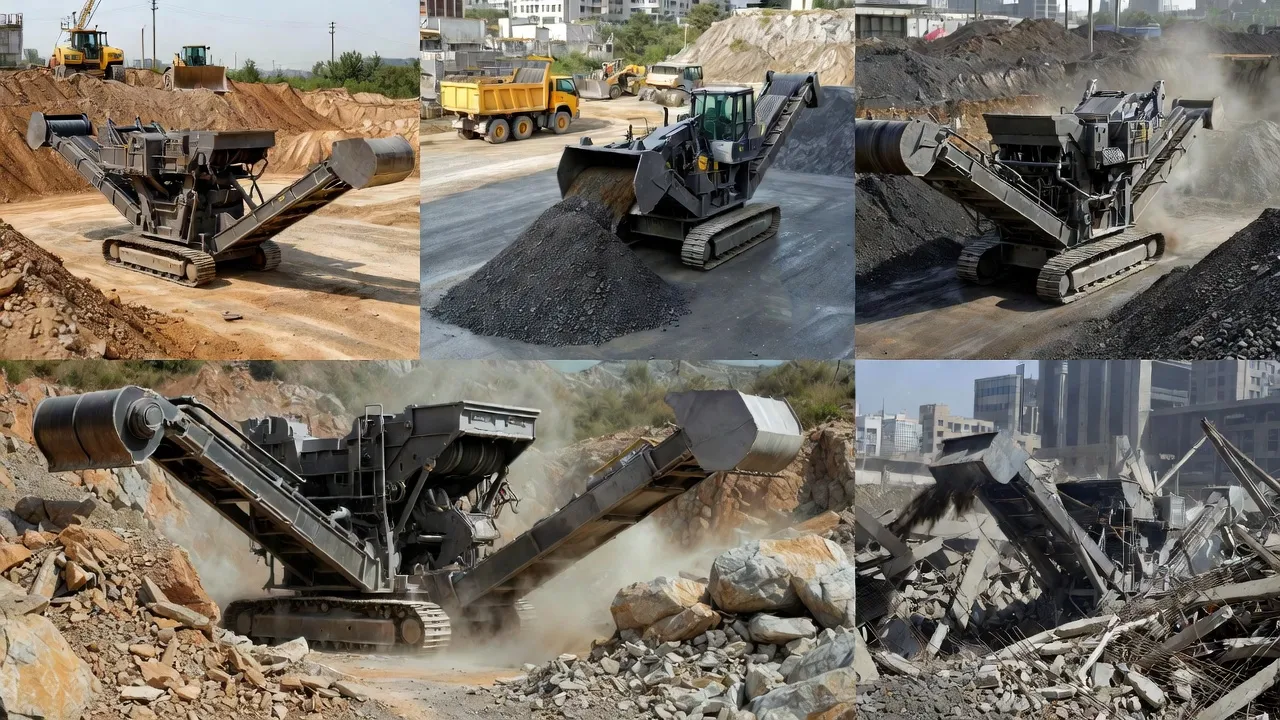
Properties with attractive natural stone deposits — pink granite, black basalt, white quartzite, or honey sandstone — have the potential to produce premium landscape garden stone as a supplementary income stream alongside agricultural production. The garden stone market in Australia’s metropolitan and coastal tree-change markets — where residential landscaping is an active and well-funded cultural activity — pays $150–$260 per tonne for well-presented crushed stone in specific colours and size grades. A farm-based stone production operation producing 200–500 tonnes per year can generate $30,000–$130,000 in supplementary revenue from rock that would otherwise be cleared as a cultivation obstacle — without any change to the farm’s primary production activities and with labour requirements confined to 2–4 production days per month.
The practical requirements for entering the garden stone market from a farm base are: consistent stone colour and type within each production batch (manageable by working systematically from one rock zone before moving to another); washing of finished product to remove crushing dust (a standard garden hose and settling area is sufficient for modest volumes); consistent particle sizing (achieved through the Watanabe crusher’s adjustable screen system with regular grate condition checks); and a sales channel — which for rural producers typically begins with local garden supply businesses and landscape contractors within a 100–150km radius before expanding to metropolitan markets as volume and quality consistency is established.
Stock Water Infrastructure: Dam Batters, Troughs, and Yard Surfacing
Livestock operations require substantial volumes of hard aggregate for stock water and yard infrastructure that rarely receives the same systematic investment analysis as cropping infrastructure, despite the significant productivity consequences of inadequately surfaced stock holding areas. Dam batter rock protection — placing 150–300mm angular rock on dam walls to prevent wave erosion — requires 30–120 tonnes of rock per dam depending on surface area and wind exposure. Stock yard and loading ramp surfacing requires 50–200mm graded rock in the 0–75mm size range to maintain a trafficable, hygienic surface that minimises hoof problems and stock handling difficulties in wet conditions. Water trough surrounds need 20–50mm clean aggregate that drains freely and prevents the mud accumulations that contaminate drinking water and cause stock health problems.
For livestock producers who have historically deferred these infrastructure investments because the cost of commercial aggregate supply is prohibitive on a per-property basis, on-property crushing from local rock sources makes these projects economically feasible. A single production day with a Watanabe agricultural rock crusher can produce sufficient aggregate to surface a stock yard, protect a dam batter, and surface water trough surrounds across an entire property — tasks that would collectively require 3–5 commercial aggregate deliveries at costs that routinely total $8,000–$25,000 before placement costs are added. The same production at on-property crushing cost represents a $600–$2,000 total material cost — transforming deferred infrastructure into achievable current investment.
Practical Tractor Compatibility and Configuration for Farm Operations
Agricultural crushers must integrate practically with the existing farm tractor fleet — they cannot require purchase of a dedicated tractor for crushing duty on a typical family farm where equipment resources are fully committed to primary production. Watanabe’s rock crusher attachment for tractor range is specifically configured around common Australian farm tractor models: three-point linkage connection matching Category 2 and 3 specifications (covering most 60–200HP farm tractors sold in Australia), PTO shaft designed for standard 540/1000 rpm PTO speeds, and transport dimensions that allow the crusher to be stored in a standard machinery shed bay without special clearance or dedicated storage infrastructure.
For farm operators assessing which existing tractor in their fleet can drive the crusher, the critical parameters are sustained PTO horsepower (not peak power) and tractor stability (adequate rear ballast or front weight to balance the crusher’s rearward weight distribution). Most 80HP+ tractors with adequate ballasting will drive Watanabe’s farm-scale crusher configurations effectively. Watanabe provides a tractor compatibility assessment for any specific tractor make and model on request — including the Kubota, John Deere, New Holland, AGCO, and Massey Ferguson models most commonly found on Australian farms. This compatibility confirmation, provided before purchase rather than after, eliminates the risk of investing in equipment that creates an unexpected requirement for additional tractor modification or replacement.
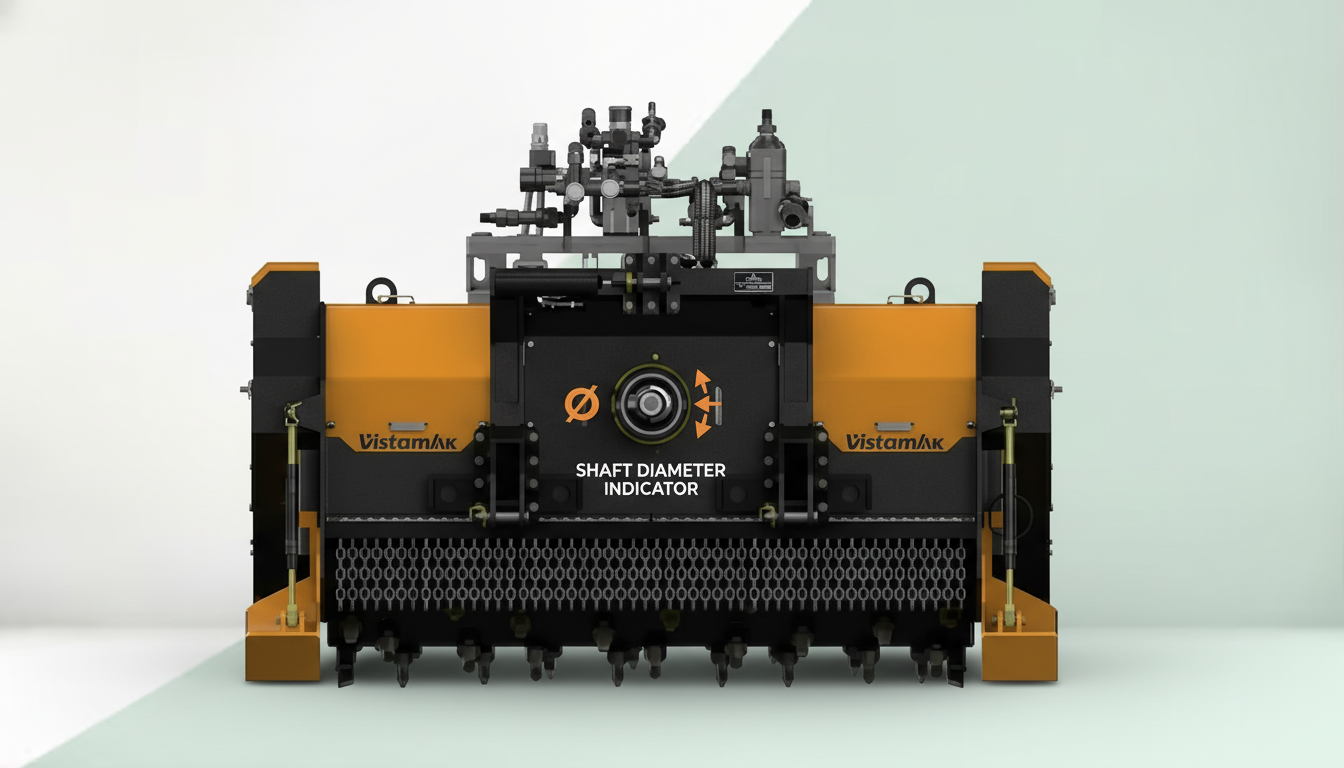
Watanabe’s Agricultural Crushing Range and Farm Support Services
Australia Watanabe Tractor Stone Crusher Co., Ltd has developed its agricultural crusher range with direct input from Australian farm operators — not by adapting construction or mining equipment to agricultural use, but by engineering specifically for the operating conditions, material types, maintenance capability, and economic constraints of Australian farming businesses. The result is a range of tractor-mounted stone crushers and rock rakes that perform reliably across the full range of agricultural applications described in this guide, with maintenance requirements that fit the maintenance patterns of a typical farm workshop, and support services that do not presuppose access to specialist crushing technicians who most rural properties cannot access without significant cost and delay.
The Watanabe team at Condell Park NSW 2200 provides agricultural application support including tractor compatibility confirmation, screen aperture selection for specific soil and crop requirements, limestone CaCO₃ adequacy assessment guidance, and configuration recommendations for mixed-use agricultural/decorative production programs that maximise the return on the crusher investment across multiple revenue streams. Contact the team at tractor-stone-crusher.com/contact-us/ or email [email protected] with your property location, rock type description, and primary intended use for a personalised configuration recommendation.
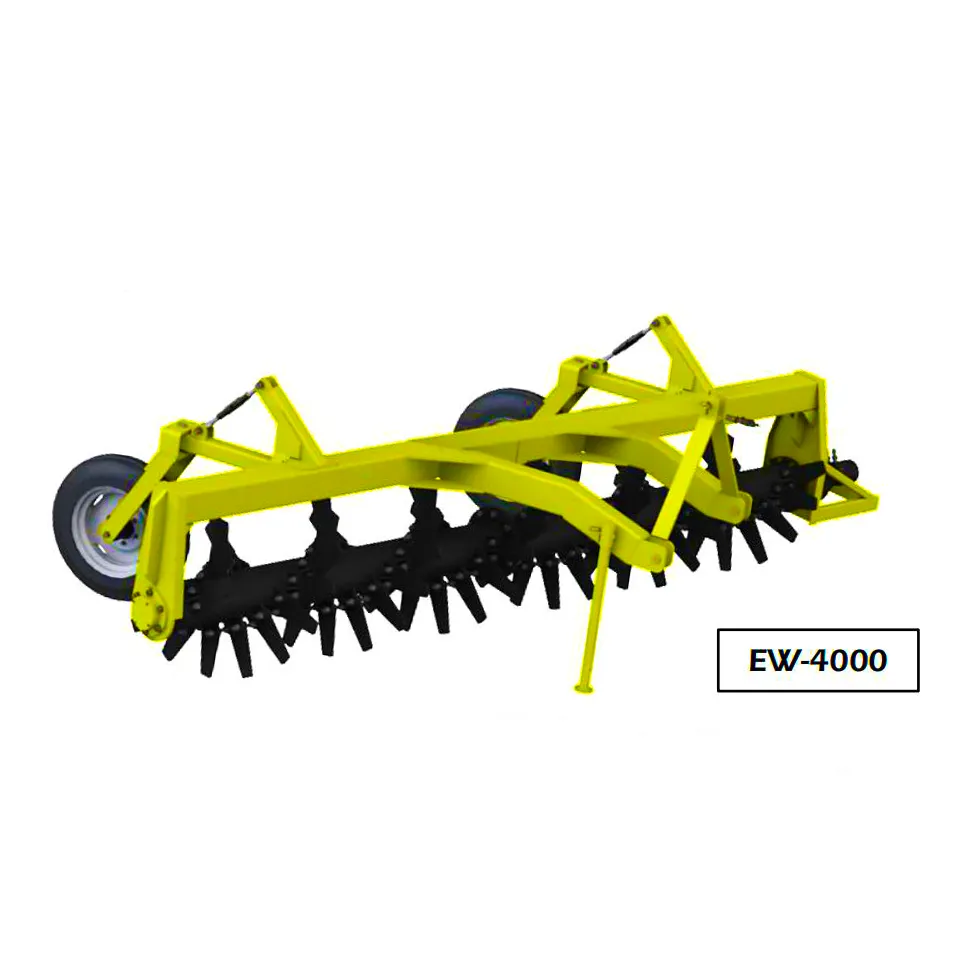
Featured Product for Agricultural and Horticultural Applications
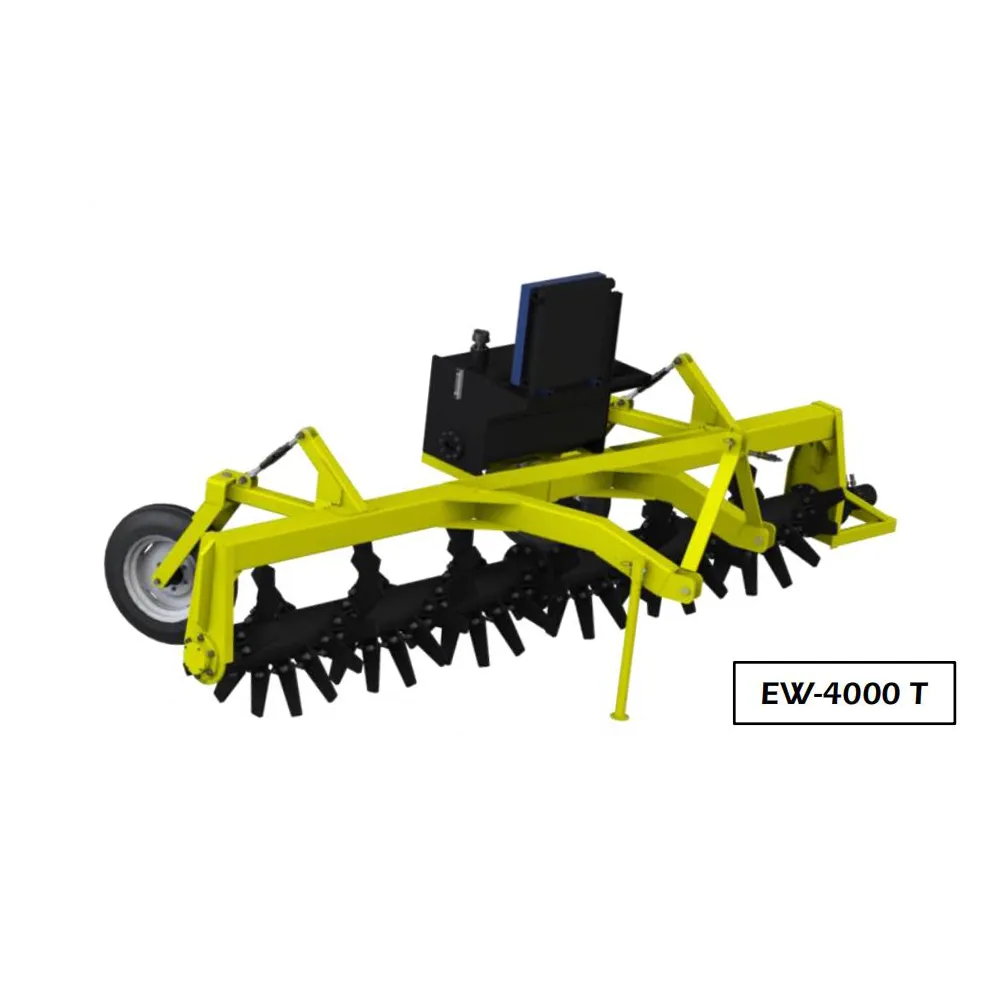
Watanabe Rock Rake EW-4000
The Rock Rake EW-4000 is Watanabe’s purpose-designed tractor attachment for agricultural stone and soil management applications, combining stone collection, classification, and size reduction in a single-pass operation. Ideal for field stone clearance and lime production, the EW-4000’s 4000mm working width processes paddock surface rock in a single pass — collecting and crushing stones that impede cultivation while returning fine calcium-rich material to the soil profile. Produces 0–20mm agricultural lime and 10–40mm farm aggregate with screen configuration changes. Also suited to vineyard floor aggregate production, growing media component crushing, and garden stone production. Tractor requirement from 100HP, three-point linkage, PTO-driven. Adaptable to all major Australian farm tractor brands and models. Parts supply from Condell Park NSW.