
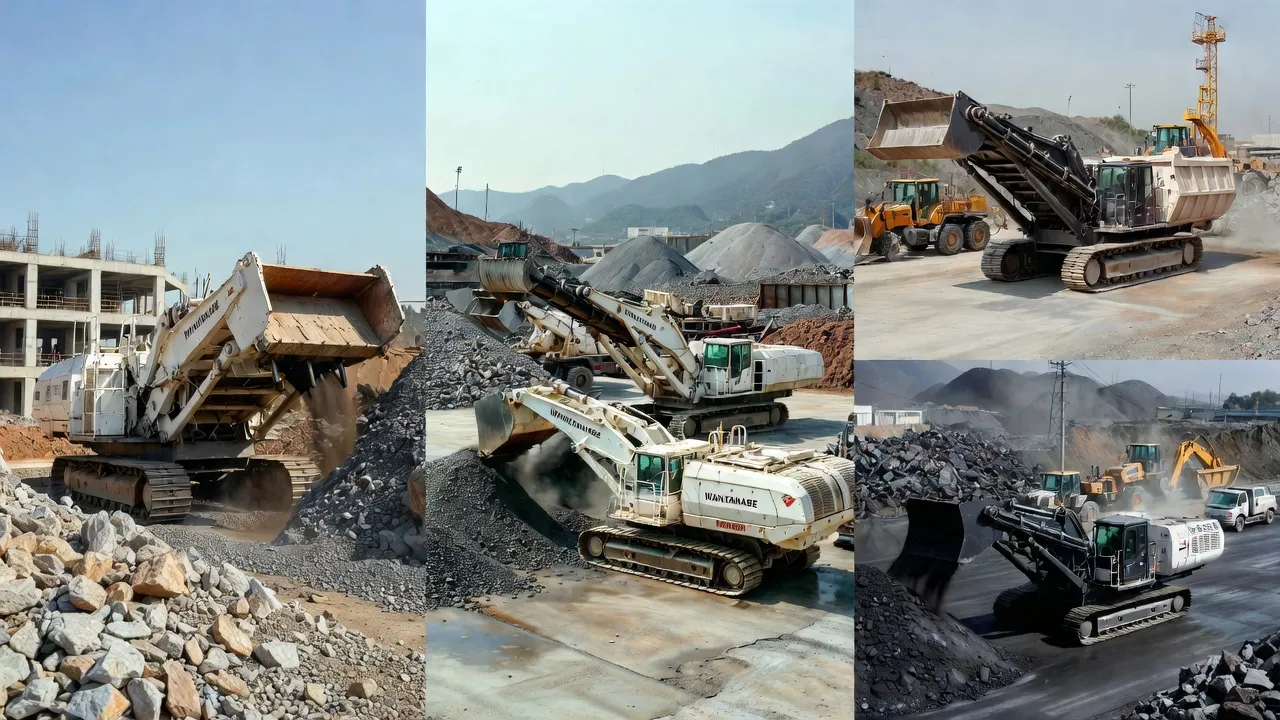
ความท้าทายด้านขยะจากการก่อสร้างและการรื้อถอนในออสเตรเลีย — และเหตุใดการบดขยะในสถานที่ก่อสร้างจึงเป็นส่วนหนึ่งของคำตอบ
ออสเตรเลียสร้างขยะจากการก่อสร้างและการรื้อถอน (C&D) ประมาณ 20 ล้านตันต่อปี ซึ่งคิดเป็นประมาณ 401,000 ตันของปริมาณขยะมูลฝอยทั้งหมดของประเทศ โดยส่วนที่สามารถนำกลับมาใช้ใหม่ได้ เช่น คอนกรีต อิฐ แอสฟัลต์ และวัสดุก่อสร้างผสมนั้น ในอดีตถูกมองว่าเป็นปัญหาการกำจัดมากกว่าโอกาสในการใช้ประโยชน์ ค่าธรรมเนียมการทิ้งขยะที่โรงงานกำจัดขยะ C&D ที่ได้รับอนุญาตในรัฐนิวเซาท์เวลส์ ควีนส์แลนด์ และวิกตอเรีย ปัจจุบันมีราคาตั้งแต่ 1,000 ถึง 1,000 ดอลลาร์ออสเตรเลียต่อตันสำหรับขยะผสม ซึ่งสร้างแรงกดดันทางเศรษฐกิจอย่างมากต่อผู้รับเหมางานรื้อถอนและงานโยธาในการหาทางเลือกอื่นนอกเหนือจากการฝังกลบ การบดหินในสถานที่ด้วยเครื่องบดหินที่ติดตั้งบนรถแทรกเตอร์จะเปลี่ยนต้นทุนการกำจัดนี้ให้เป็นกิจกรรมการผลิตวัสดุ โดยการสร้างหินกรวดรีไซเคิลที่มีมูลค่าในตลาด ในขณะเดียวกันก็ลดปริมาณขยะที่ต้องนำไปกำจัดในสถานที่ที่ได้รับอนุญาต
สภาพแวดล้อมด้านกฎระเบียบได้เปลี่ยนแปลงไปในทิศทางที่เอื้อต่อการรีไซเคิลอย่างเด็ดขาด กรอบการฟื้นฟูทรัพยากรของสำนักงานคุ้มครองสิ่งแวดล้อมแห่งรัฐในนิวเซาท์เวลส์ (คำสั่งและการยกเว้นการฟื้นฟูทรัพยากร) ควีนส์แลนด์ (พระราชบัญญัติลดของเสียและการรีไซเคิล) วิกตอเรีย (พระราชบัญญัติเศรษฐกิจหมุนเวียนปี 2021) และเวสเทิร์นออสเตรเลีย (พระราชบัญญัติการหลีกเลี่ยงของเสียและการฟื้นฟูทรัพยากร) ล้วนให้ช่องทางทางกฎหมายสำหรับการจัดประเภทหินกรวดรีไซเคิลเป็นผลิตภัณฑ์แทนที่จะเป็นวัสดุเหลือทิ้ง — โดยมีเงื่อนไขว่าต้องเป็นไปตามมาตรฐานองค์ประกอบที่กำหนดและนำไปใช้ในวัตถุประสงค์ที่ได้รับอนุมัติ การทำความเข้าใจกรอบการทำงานเหล่านี้มีความสำคัญพอๆ กับการเลือกอุปกรณ์บดหินที่เหมาะสมสำหรับการใช้งานกับรถแทรกเตอร์: เครื่องบดที่มีความสามารถทางเทคนิคแต่ผลิตผลลัพธ์ที่ไร้ประโยชน์ในเชิงพาณิชย์เนื่องจากยังไม่มีการกำหนดการจัดประเภททางกฎหมาย จะไม่ก่อให้เกิดผลตอบแทนจากการลงทุนไม่ว่าคุณภาพการแปรรูปจะเป็นอย่างไรก็ตาม
วัสดุมวลรวมคอนกรีตรีไซเคิล (RCA): มาตรฐานการผลิตและการใช้งานที่ได้รับอนุมัติ
เกณฑ์การยอมรับวัสดุก่อนป้อนเข้าเครื่องบด
คุณภาพของวัสดุมวลรวมคอนกรีตรีไซเคิลจะถูกตรวจสอบก่อนที่เครื่องบดจะเริ่มบดวัสดุแม้แต่ตันเดียว — ในขั้นตอนการรับวัสดุเข้าเครื่องบด ซึ่งจะมีการประเมินระดับการปนเปื้อนของวัสดุ และวัสดุที่ไม่เป็นไปตามมาตรฐานจะถูกคัดออก ประเภทการปนเปื้อนที่สำคัญที่สุด 3 ประเภทสำหรับการผลิตวัสดุมวลรวมคอนกรีตรีไซเคิล ได้แก่: เหล็กเสริม (เหล็กเส้นและตาข่าย ซึ่งต้องนำออกก่อนป้อนเข้าเครื่องบดเพื่อป้องกันความเสียหายของโรเตอร์และการปนเปื้อนของโลหะในผลิตภัณฑ์); วัสดุปนเปื้อนที่มีน้ำหนักเบา (ไม้ แผ่นยิปซัม วัสดุฉนวน ซึ่งทำให้ปริมาณสารอินทรีย์ในผลิตภัณฑ์สูงเกินขีดจำกัดที่อนุญาตสำหรับการใช้งานบนพื้นผิวถนน); และวัสดุอันตราย (วัสดุที่มีแอสเบสตอส สารตั้งต้นสีตะกั่ว คอนกรีตปนเปื้อนไฮโดรคาร์บอน) ซึ่งก่อให้เกิดปัญหาทั้งด้านคุณภาพของผลิตภัณฑ์และความปลอดภัยของคนงาน ซึ่งต้องมีกระบวนการกำจัดเฉพาะทางที่แยกต่างหาก การกำหนดโปรโตคอลการตรวจสอบก่อนการรับวัสดุอย่างเข้มงวด ณ สถานที่รื้อถอน — ก่อนที่วัสดุจะถูกบรรจุและขนส่งไปยังเครื่องบด — มีประสิทธิภาพด้านต้นทุนมากกว่าการพยายามแยกวัสดุที่ปนเปื้อนหลังจากส่งมอบแล้ว
การกำหนดค่าเครื่องบดสำหรับการผลิต RCA
คอนกรีตเสริมเหล็กต้องผ่านกระบวนการเตรียมการก่อนป้อนเข้าเครื่องบด – เหล็กที่ฝังอยู่ภายในต้องถูกแยกออกโดยการทุบคอนกรีตให้แตก (โดยทั่วไปใช้เครื่องทุบไฮดรอลิกของรถขุด) และแยกเหล็กออกโดยการคัดแยกด้วยมือหรือการแยกด้วยแม่เหล็กก่อนที่เศษคอนกรีตที่แตกแล้วจะเข้าเครื่องบด การพยายามแปรรูปคอนกรีตที่มีเหล็กเสริมผ่านเครื่องบดกระแทกโดยไม่ผ่านขั้นตอนการเตรียมการนี้จะทำให้โรเตอร์เสียหายอย่างรุนแรงภายในไม่กี่นาที เมื่อผ่านกระบวนการเตรียมการเพื่อให้ได้คอนกรีตที่แตกสะอาดและมีขนาดเศษสูงสุด 200 มม. วัสดุจะป้อนผ่านเครื่องบดแบบงานหนักของ Watanabe ได้ดี ทำให้ได้ RCA ขนาด 0–40 มม. ในการผ่านครั้งเดียว ซึ่งเหมาะสำหรับงานรองพื้นถนน งานถม และงานวัสดุระบายน้ำ เครื่องบดหินแบบใช้รถแทรกเตอร์ในออสเตรเลีย เครื่องจักรที่ได้รับการกำหนดค่าสำหรับการผลิต RCA โดยทั่วไปจะให้ผลผลิต 60–120 ตันต่อชั่วโมงเมื่อใช้คอนกรีตที่ผ่านการเตรียมการแล้ว ซึ่งเพียงพอต่อการเคลียร์พื้นที่รื้อถอนขนาดกลางภายในสองถึงสามวันทำการ
ฐานรากถนน
วัสดุ RCA ขนาด 0–75 มม. ตรงตามข้อกำหนดชั้นรองพื้นของ Austroads สำหรับถนนที่มีการจราจรเบาบางและพื้นที่อุตสาหกรรม เป็นวัสดุ RCA ที่คุ้มค่าที่สุดสำหรับการใช้งานในปริมาณมาก และมีความคลาดเคลื่อนของข้อกำหนดที่หลากหลาย
การถมโครงสร้าง
เศษหินบดละเอียด (RCA) ขนาด 0–100 มม. ที่ผ่านกระบวนการแล้ว ใช้เป็นวัสดุถมในงานวิศวกรรม เช่น การถมหลังกำแพงกันดิน การถมช่องว่างในแผ่นพื้น และการปรับระดับพื้นที่ โดยทั่วไปต้องมีการทดสอบการบดอัด ช่วยลดต้นทุนและทดแทนการใช้หินบดใหม่ได้อย่างมาก
วัสดุระบายน้ำ
หินบดละเอียด (RCA) ขนาด 20–40 มม. เหมาะสำหรับการระบายน้ำในร่องลึกและการระบายน้ำใต้ดิน มีคุณสมบัติการซึมผ่านได้เทียบเท่ากับหินบดใหม่ ตรวจสอบให้แน่ใจว่ามีปริมาณอนุภาคละเอียดต่ำ (<5% ต่ำกว่า 75 μm) ก่อนนำไปใช้ในการระบายน้ำ
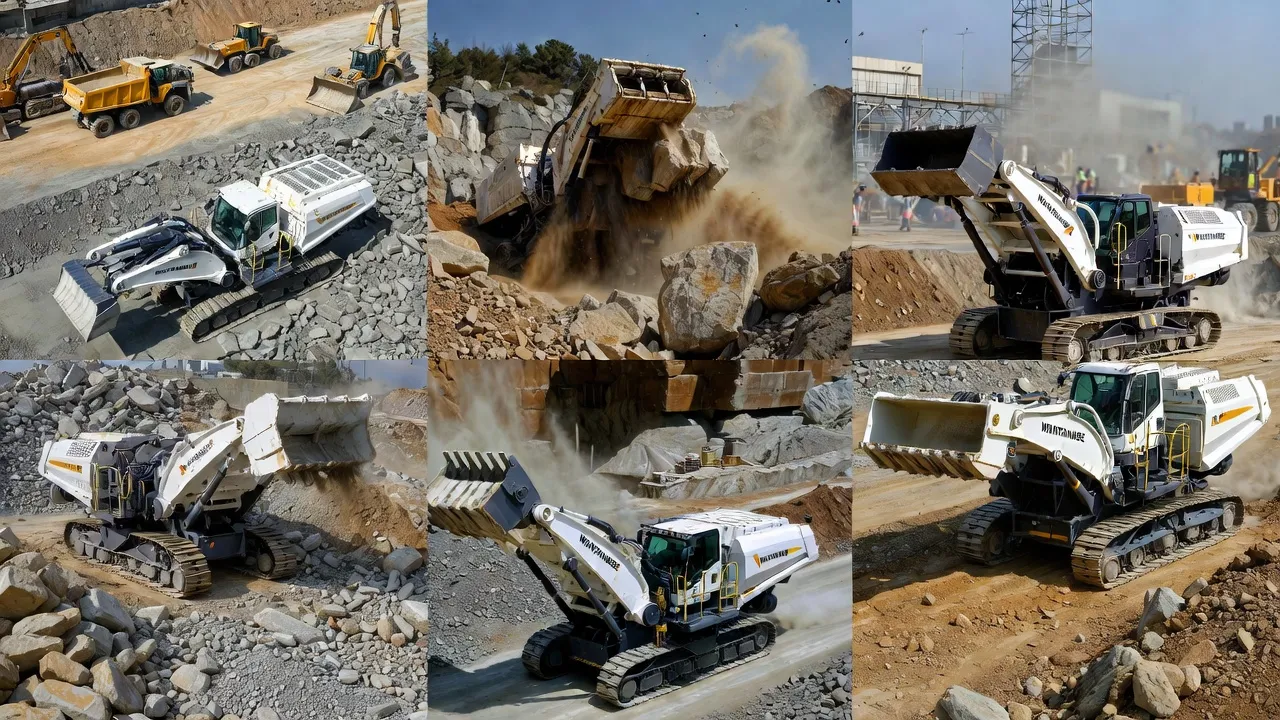
การรีไซเคิลอิฐและวัสดุก่อสร้าง: เปลี่ยนเศษซากจากการรื้อถอนให้เป็นวัสดุถมที่แข็งแรง
เศษอิฐและวัสดุก่อสร้างจากการรื้อถอน – ซากอาคารที่อยู่อาศัย อาคารพาณิชย์ และอาคารอุตสาหกรรมที่ถูกรื้อถอนเพื่อการพัฒนาเมือง การปรับปรุงพื้นที่ หรือการฟื้นฟูหลังภัยพิบัติทางธรรมชาติ – constitutes เป็นส่วนสำคัญและมักถูกใช้ประโยชน์ไม่เต็มที่ของขยะจากการก่อสร้างและรื้อถอน ต่างจากคอนกรีตเสริมเหล็ก เศษอิฐที่สะอาดไม่มีความเสี่ยงต่อเหล็กเส้นในเครื่องบด และต้องการการเตรียมการเบื้องต้นเพียงเล็กน้อย นอกเหนือจากการกำจัดเศษไม้ที่ฝังอยู่ในผนังอิฐ และเศษปล่องไฟหรือซุ้มประตูขนาดใหญ่ที่เกินขนาดป้อนสูงสุดของเครื่องบด เมื่อผ่านกระบวนการบดด้วยเครื่องบดกระแทก Watanabe ที่มีขนาดรูตะแกรง 40–75 มม. เศษอิฐที่สะอาดจะผลิตวัสดุมวลรวมรีไซเคิลผสม (MRA) ที่เหมาะสมสำหรับการถมภูมิทัศน์ การรองพื้นทางระบายน้ำ และชั้นรองพื้นถนนในงานที่ไม่สำคัญมากนัก
วัสดุรีไซเคิลจากอิฐมีอัตราการดูดซับน้ำสูงกว่า RCA (โดยทั่วไป 8–151 TP3T เทียบกับ 5–81 TP3T สำหรับ RCA) เนื่องจากโครงสร้างจุลภาคที่มีรูพรุนของเซรามิกดินเผา ซึ่งเป็นลักษณะที่จำกัดการใช้งานในคอนกรีต แต่ไม่มีผลกระทบสำคัญต่อการถม การระบายน้ำ หรือการใช้งานเป็นชั้นรองพื้น สำหรับโครงการที่รวมเศษอิฐและเศษคอนกรีตจากการรื้อถอนเข้าด้วยกันในกระบวนการบดเดียวกัน สามารถแปรรูป RCA/MRA ที่ผสมกันได้ในรอบเดียวด้วยการเลือกตะแกรงที่เหมาะสม ทำให้ได้วัสดุถมที่มีขนาดเม็ดกว้างในอัตราการผลิตที่สูงกว่าการแยกแปรรูปวัสดุแต่ละชนิด การแปรรูปแบบผสมมีข้อโต้แย้งทางเศรษฐกิจที่น่าสนใจเมื่อการหลีกเลี่ยงค่าใช้จ่ายในการกำจัดขยะเป็นแรงขับเคลื่อนหลัก แม้แต่การลดปริมาณขยะที่ได้รับอนุญาตเพียงเล็กน้อยก็สามารถสร้างผลตอบแทนทางการเงินที่ชดเชยค่าใช้จ่ายในการบดได้อย่างรวดเร็ว
การแปรรูปตะกรันอุตสาหกรรมและกากเหลือจากการถลุงโลหะ
ตะกรันจากเตาหลอมเหล็ก: คุณสมบัติทางวิศวกรรมและข้อกำหนดสำหรับเครื่องบด
ตะกรันจากเตาหลอมเหล็ก—กากแคลเซียม-อะลูมินา-ซิลิเกตที่เหลือจากการถลุงเหล็ก—เป็นหนึ่งในผลพลอยได้จากอุตสาหกรรมที่มีคุณค่าทางเทคนิคสูงที่สุดในแง่ของศักยภาพในการนำไปใช้เป็นวัสดุมวลรวมรีไซเคิล ตะกรันจากเตาหลอมเหล็กที่ระบายความร้อนด้วยอากาศ (ACBFS) ที่บดให้มีขนาด 10–40 มม. จะได้วัสดุมวลรวมที่มีลักษณะเป็นเหลี่ยม มีรูพรุน และมีคุณสมบัติในการยึดเกาะตัวเองทางไฮดรอลิก ทำให้เป็นวัสดุฐานรากถนนที่มีประสิทธิภาพสูงเป็นพิเศษ: ฐานรากถนน ACBFS จะพัฒนาคุณสมบัติของพื้นผิวถนนที่ยึดเกาะกันได้ดีขึ้นเมื่อเวลาผ่านไป ผ่านปฏิกิริยาพอซโซลานิกส์ระหว่างองค์ประกอบทางเคมีของตะกรันและความชื้นในบรรยากาศ ซึ่งมีประสิทธิภาพเหนือกว่าฐานรากหินบดแบบดั้งเดิมที่ไม่ยึดเกาะกันในด้านความต้านทานต่อความล้าในระยะยาว การแปรรูป ACBFS ผ่านเครื่องบดหินต้องใช้โครงสร้างค้อนที่แข็งแรงทนทาน เนื่องจากมีความแข็งสูง (เทียบได้กับหินบะซอลต์) และมีแนวโน้มที่จะแตกเป็นเศษชิ้นส่วนที่ไม่สม่ำเสมอ ซึ่งทำให้เกิดแรงกระแทกสูงบนโรเตอร์ของเครื่องบด
กากโลหะหลอมเหลวที่ไม่ใช่เหล็ก: แนวทางการกู้คืนและนำกลับมาใช้ใหม่
กากโลหะมีค่าจากการถลุงทองแดง นิกเกล ตะกั่ว และสังกะสี มีโลหะมีค่าตกค้างอยู่ ซึ่งสามารถนำกลับมาใช้ใหม่ได้ผ่านกระบวนการบดและเพิ่มความเข้มข้นอีกครั้งหลังจากกระบวนการถลุงขั้นต้นสิ้นสุดลงแล้ว เครื่องบดหินที่ติดตั้งตะแกรงละเอียด (5–10 มม.) จะช่วยแยกเฟสที่มีโลหะติดอยู่จากเมทริกซ์ของกากโลหะ ทำให้ได้ส่วนละเอียดที่ช่วยเพิ่มความเข้มข้นของโลหะที่สามารถนำกลับมาใช้ใหม่ได้สำหรับการบำบัดด้วยกระบวนการไฮโดรเมทัลลurgical ในขั้นตอนที่สอง และส่วนหยาบที่เหมาะสมสำหรับใช้เป็นวัสดุรองพื้นถนนหรือวัสดุก่อสร้าง วิธีการนำกลับมาใช้ใหม่ในขั้นตอนที่สองนี้มีความสำคัญอย่างยิ่งสำหรับกองกากโลหะที่สะสมมานานหลายทศวรรษในโรงถลุงโลหะที่ปิดตัวไปแล้วในออสเตรเลีย ซึ่งอาจมีโลหะที่มีความเข้มข้นสูงในเชิงเศรษฐกิจ แต่ต่ำกว่าเกณฑ์การนำกลับมาใช้ใหม่ด้วยเทคโนโลยีการแปรรูปแบบเดิม แต่สามารถนำกลับมาใช้ใหม่ได้ด้วยวิธีการบดละเอียดและการชะล้างแบบสมัยใหม่
ขั้นตอนการแปรรูปตะกรัน — ตั้งแต่กองตะกรันจนถึงผลิตภัณฑ์สำเร็จรูป
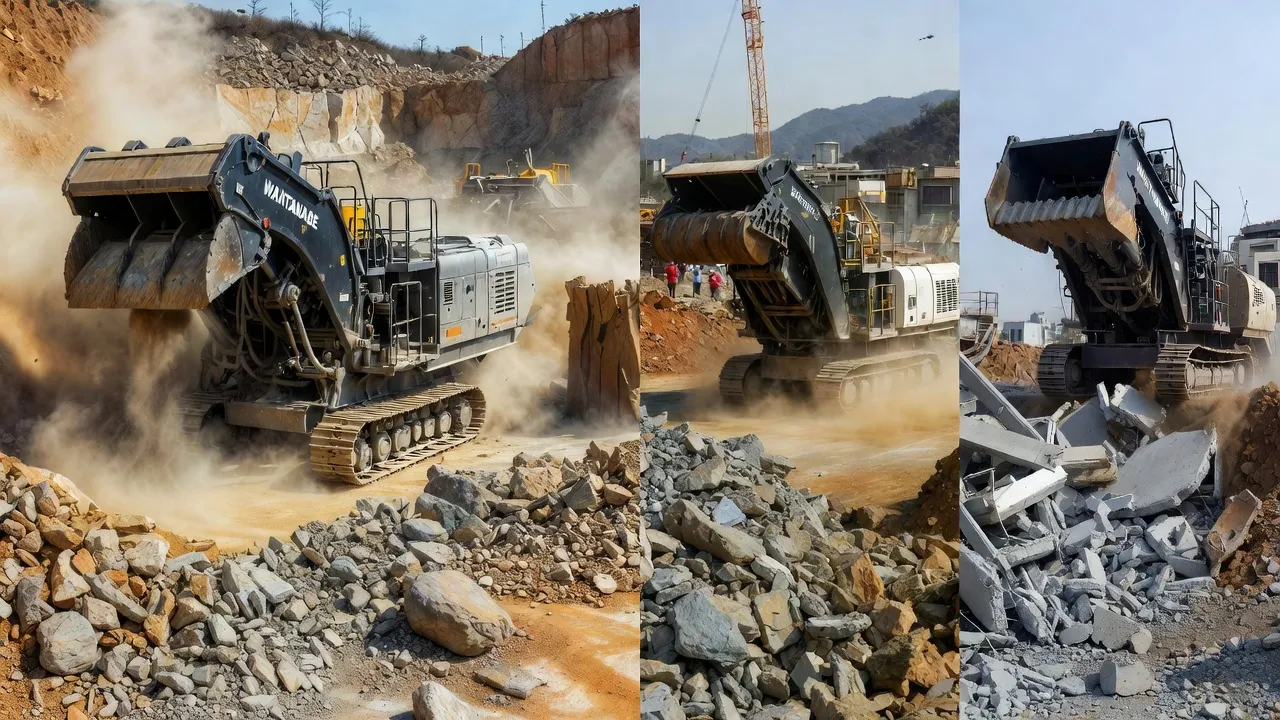
กระบวนการแปรรูปวัสดุรีไซเคิลในเขตเมือง: แก้ว เซรามิก และขยะแข็งผสม
ขยะในเขตเมืองมีส่วนประกอบของวัสดุแข็งที่ไม่ทำปฏิกิริยาอยู่เป็นจำนวนมาก เช่น ขวดแก้ว เครื่องใช้เซรามิก เศษกระเบื้อง อิฐทนไฟ ซึ่งปัจจุบันถูกนำไปฝังกลบในพื้นที่ส่วนใหญ่ของออสเตรเลีย เนื่องจากปริมาณขยะ ณ จุดรวบรวมแต่ละแห่งไม่เพียงพอที่จะรองรับโครงสร้างพื้นฐานการแปรรูปโดยเฉพาะ การแปรรูปด้วยเครื่องบดจะรวบรวมวัสดุเหล่านี้ไว้ที่ศูนย์รวบรวมระดับภูมิภาค เปลี่ยนขยะแข็งในเมืองที่ผสมกันให้เป็นทรายแก้วบด (ใช้เป็นวัตถุดิบในการหลอมแก้วใหม่ ตัวกรอง วัสดุขัดผิวสำหรับการพ่นทราย และทรายสำหรับบังเกอร์ในสนามกอล์ฟ) หินบดเซรามิก และวัสดุถมพื้นฐานทั่วไป การแปรรูปแก้วนั้นมีการพัฒนาเป็นอย่างดี โดยรัฐบาลของรัฐเวสเทิร์นออสเตรเลีย เซาท์ออสเตรเลีย และควีนส์แลนด์ ได้ลงทุนในโครงการบดแก้วระดับภูมิภาคโดยเฉพาะ เนื่องจากทางเลือกอื่น คือ การขนส่งเศษแก้วจากขวดแก้วเป็นระยะทางหลายร้อยกิโลเมตรไปยังโรงงานหลอมแก้วบรรจุภัณฑ์นั้น ใช้พลังงานมากกว่ามูลค่าของเศษแก้วที่นำกลับมาใช้ใหม่ได้
การแปรรูปแก้วด้วยเครื่องบดหินแบบพกพาจำเป็นต้องพิจารณาถึงขั้นตอนการใช้งานเฉพาะ แก้วมีฤทธิ์กัดกร่อนสูงมากในระดับจุลภาค: แก้วซิลิกาที่สัมผัสกับพื้นผิวเหล็กด้วยความเร็วสูงจะทำให้เกิดการสึกหรออย่างรวดเร็วบนหน้าค้อน ตะแกรง และซับในห้องบดในอัตราที่สูงกว่าหินธรรมชาติทั่วไปที่มีความแข็งปรากฏเท่ากันถึง 2-3 เท่า วาตานาเบะมีตัวเลือกค้อนที่หุ้มด้วยทังสเตนคาร์ไบด์สำหรับการใช้งานกับแก้ว ซึ่งช่วยยืดอายุการใช้งานของชิ้นส่วนที่สึกหรอให้คุ้มค่าทางเศรษฐกิจและป้องกันการปนเปื้อนของผลิตภัณฑ์แก้วบดด้วยอนุภาคโลหะเหล็กที่หลุดออกมาจากหน้าค้อนเหล็กที่สึกหรอ
การรีไซเคิลแอสฟัลต์ปูพื้น: การแปรรูปแอสฟัลต์ปูพื้นที่นำกลับมาใช้ใหม่ (RAP)
โครงการปรับปรุงถนนก่อให้เกิดวัสดุแอสฟัลต์รีไซเคิล (RAP) จำนวนมาก ซึ่งก็คือชั้นผิวแอสฟัลต์เดิมที่ถูกกำจัดออกโดยการกัดหรืออุปกรณ์รีไซเคิลแบบเต็มความลึกในระหว่างงานปรับปรุงผิวถนน RAP เป็นหนึ่งในวัสดุก่อสร้างที่นำกลับมาใช้ใหม่กันอย่างแพร่หลายที่สุดในออสเตรเลีย โดยปัจจุบันส่วนผสมแอสฟัลต์ที่มี RAP สูง (30–501 ตัน RAP โดยมวล) ได้รับการยอมรับภายใต้ข้อกำหนดทางเทคนิคของออสเตรเลียสำหรับการปรับปรุงถนนสายหลัก อย่างไรก็ตาม วัสดุ RAP ที่ถูกกัดให้มีขนาดไม่สม่ำเสมอจะต้องผ่านกระบวนการบดด้วยเครื่องบดหินเพื่อให้ได้ขนาดเม็ดที่สม่ำเสมอตามที่ต้องการสำหรับการผสมในโรงงานแอสฟัลต์ และขั้นตอนการบดนี้มักจะทำในสถานที่ก่อสร้างโดยใช้อุปกรณ์ที่ติดตั้งบนรถแทรกเตอร์เพื่อหลีกเลี่ยงค่าใช้จ่ายในการขนส่งสำหรับวัสดุที่มีมูลค่าต่ำต่อตันในท้ายที่สุด
กระบวนการบด RAP จำเป็นต้องพิจารณาการจัดการความร้อนของเครื่องบดเป็นพิเศษ: ที่อุณหภูมิสูงกว่า 60°C (ซึ่งเกิดขึ้นได้ง่ายในกอง RAP ที่มีพื้นผิวสีดำในช่วงฤดูร้อนของออสเตรเลีย) สารยึดเกาะแอสฟัลต์ใน RAP จะเหนียวและอาจเคลือบตะแกรง ทำให้เกิดการอุดตันอย่างรวดเร็วและสูญเสียปริมาณการผลิต การกำหนดเวลาบด RAP ในช่วงเวลาที่อากาศเย็นกว่า เช่น ช่วงเช้าตรู่หรือกะกลางคืนในฤดูร้อน และการตรวจสอบให้แน่ใจว่าความแรงของการสั่นสะเทือนของตะแกรงอยู่ในระดับที่เหมาะสม เป็นมาตรการปฏิบัติงานที่ช่วยรักษาปริมาณการผลิต ทีมงานด้านเทคนิคของ Watanabe แนะนำขนาดรูตะแกรงและการตั้งค่าความเร็วรอบของโรเตอร์ที่เหมาะสมสำหรับการบด RAP โดยอิงจากข้อมูลการเรียงขนาดของ RAP และจุดอ่อนตัวของสารยึดเกาะจากพื้นผิวถนนต้นทาง ซึ่งพารามิเตอร์เหล่านี้แตกต่างอย่างมีนัยสำคัญจากการตั้งค่าเครื่องบดหินธรรมชาติ และส่งผลต่อทั้งคุณภาพของผลิตภัณฑ์และอัตราการสึกหรอของอุปกรณ์
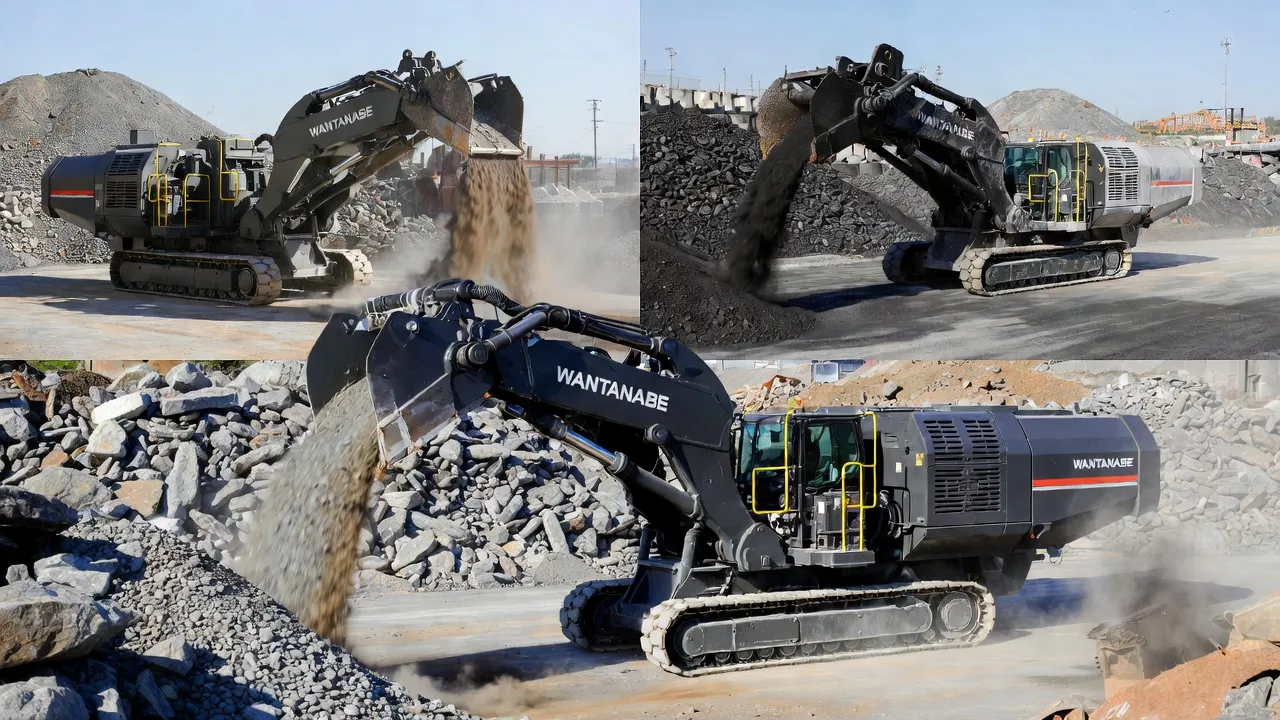
แบบจำลองทางการเงิน: เปรียบเทียบการกำจัดขยะด้วยการฝังกลบกับการบดขยะในสถานที่
ข้อดีทางเศรษฐกิจของการรีไซเคิลโดยใช้เครื่องบดในพื้นที่รื้อถอนและงานก่อสร้างนั้นชัดเจนเมื่อมีการเปรียบเทียบต้นทุนอย่างครบถ้วนและถูกต้อง แต่จำเป็นต้องคำนึงถึงต้นทุนทั้งสองด้านซึ่งมักถูกละเลยในการคำนวณระยะเวลาคืนทุนแบบง่ายๆ ด้านต้นทุนการกำจัดต้องรวมถึงไม่เพียงแต่ค่าธรรมเนียมที่โรงงานกำจัดขยะเท่านั้น แต่ยังรวมถึงค่าขนส่ง ค่าขนถ่าย และค่าธรรมเนียมตามกฎระเบียบต่างๆ ด้วย ด้านต้นทุนการบดต้องรวมถึงค่าเสื่อมราคาของอุปกรณ์ ค่าเชื้อเพลิง ค่าแรง ค่าบำรุงรักษา และค่าเปลี่ยนตะแกรง แต่ต้องคำนึงถึงมูลค่าของหิน aggregate รีไซเคิลที่ถูกแทนที่ ซึ่งช่วยลดความจำเป็นในการซื้อหิน aggregate ใหม่ในโครงการเดียวกันหรือโครงการต่อๆ ไป
การปฏิบัติตามกฎระเบียบสำหรับธุรกิจรีไซเคิล: กรอบการทำงานรายรัฐ
การดำเนินงานเครื่องบดหินเพื่อแปรรูปวัสดุเหลือใช้ในออสเตรเลียจำเป็นต้องปฏิบัติตามกรอบกฎระเบียบที่แตกต่างกันไป ขึ้นอยู่กับรัฐ ประเภทของวัสดุที่แปรรูป และไม่ว่าผลิตภัณฑ์รีไซเคิลจะจำหน่ายในเชิงพาณิชย์หรือใช้ในสถานที่นั้นๆ สำนักงานคุ้มครองสิ่งแวดล้อมของแต่ละรัฐมีกรอบการยกเว้นการกู้คืนทรัพยากรเฉพาะที่กำหนดว่าการแปรรูปวัสดุเหลือใช้จะก่อให้เกิด “ผลิตภัณฑ์” ที่ไม่จัดเป็นของเสียอีกต่อไปหรือไม่ ซึ่งการจัดประเภทนี้เป็นตัวกำหนดว่าจำเป็นต้องมีใบอนุญาตโรงงานกำจัดของเสียหรือไม่ และข้อกำหนดเกี่ยวกับเอกสารกำกับการขนส่งใดบ้างที่ใช้กับการเคลื่อนย้ายวัสดุจากสถานที่แปรรูป
รัฐนิวเซาท์เวลส์
คำสั่งการกู้คืนทรัพยากรภายใต้ข้อบังคับว่าด้วยการดำเนินงานเพื่อคุ้มครองสิ่งแวดล้อม (ของเสีย) ปี 2014 คอนกรีตและอิฐที่สะอาดได้รับการยกเว้นแยกต่างหาก ต้องแจ้งให้ EPA ทราบสำหรับการดำเนินงานเชิงพาณิชย์ที่มีปริมาณต่อปีเกินกว่าระดับที่กำหนด
ควีนส์แลนด์
ข้อยกเว้นสำหรับการนำทรัพยากรกลับมาใช้ใหม่ตามระเบียบการลดของเสียและการรีไซเคิลปี 2011 ต้องได้รับการอนุมัติจาก DESI สำหรับโรงงานรีไซเคิลเชิงพาณิชย์ โดยทั่วไปแล้ว การใช้ RCA ในสถานที่ภายในขอบเขตของพื้นที่รื้อถอนจะได้รับการยกเว้นจากการขอใบอนุญาตโรงงานกำจัดของเสีย
วิคตอเรีย
พระราชบัญญัติเศรษฐกิจหมุนเวียน (การลดของเสียและการรีไซเคิล) ปี 2021 ของสำนักงานคุ้มครองสิ่งแวดล้อมแห่งรัฐวิกตอเรีย กรอบการจัดการสิ่งแวดล้อมตามแนวทางปฏิบัติที่ดีที่สุดสำหรับการรีไซเคิลคอนกรีตและวัสดุก่อสร้าง การจำแนกประเภทของเสียประเภท A เทียบกับประเภท B มีผลต่อข้อกำหนดด้านการขนส่ง
วอชิงตัน
พระราชบัญญัติการหลีกเลี่ยงของเสียและการฟื้นฟูทรัพยากร พ.ศ. 2550 และข้อบังคับ เกณฑ์การออกใบอนุญาต DWER สำหรับการดำเนินงานบดหินตามปริมาณต่อปี แผนการจัดการเฉพาะที่จำเป็นสำหรับกระแสวัสดุที่อาจปนเปื้อน รวมถึงตะกรันและวัสดุรีไซเคิลจากกระบวนการผลิต (RAP)
ความปลอดภัยของคนงานในการปฏิบัติงานบดอัดขยะ
การบดวัสดุเหลือทิ้งก่อให้เกิดความเสี่ยงด้านสุขภาพและความปลอดภัยที่แตกต่างจากการบดหินธรรมชาติ และต้องใช้มาตรการจัดการความเสี่ยงเฉพาะ ฝุ่นซิลิกาจากการบดคอนกรีตและอิฐเป็นสารก่อมะเร็งกลุ่มที่ 1 ตามการจำแนกประเภทของ IARC และข้อบังคับด้านสุขภาพและความปลอดภัยในการทำงาน (กระบวนการเชื่อม) ปี 2022 (และกฎหมายของรัฐที่เทียบเท่า) กำหนดมาตรฐานการสัมผัสในสถานที่ทำงานไว้ที่ 0.05 มก./ลบ.ม. สำหรับซิลิกาผลึกที่สามารถหายใจเข้าไปได้ ซึ่งเป็นครึ่งหนึ่งของขีดจำกัดเดิม และมีผลบังคับใช้ตั้งแต่วันที่ 1 กรกฎาคม 2020 ทั่วประเทศออสเตรเลีย การลดฝุ่นด้วยระบบฉีดน้ำแบบบูรณาการไม่ใช่ทางเลือกอีกต่อไปสำหรับการดำเนินงานบดคอนกรีตหรือวัสดุก่อสร้างระดับมืออาชีพ: เป็นข้อกำหนดทางกฎหมายที่มีผลทางกฎหมายหากไม่ปฏิบัติตาม พอร์ตลดฝุ่นมาตรฐานของ Watanabe รับน้ำจากถังป้อนวัสดุ ห้องบด และบริเวณปล่อยวัสดุ ทำให้สามารถควบคุมฝุ่นได้สามจุด ซึ่งตรงตามข้อกำหนด WES ในปัจจุบันโดยไม่ต้องใช้อุปกรณ์เพิ่มเติม
นอกเหนือจากฝุ่นซิลิกาแล้ว ความเสี่ยงจากการปนเปื้อนของวัสดุอันตรายในเศษวัสดุจากการรื้อถอน เช่น เส้นใยแอสเบสตอสจากวัสดุก่อสร้างเก่า อนุภาคตะกั่วจากระบบสีเก่า สารโพลีคลอริเนเตดไบฟีนิลจากอุปกรณ์ไฟฟ้าในอาคารที่สร้างก่อนปี 1987 ทำให้จำเป็นต้องมีกระบวนการประเมินวัสดุอย่างเป็นระบบก่อนที่จะนำเศษวัสดุจากการรื้อถอนไปบด การประเมินนี้โดยทั่วไปดำเนินการโดยผู้ประเมินวัสดุอันตรายที่ได้รับใบอนุญาตก่อนเริ่มงานรื้อถอน เพื่อระบุและแยกประเภทวัสดุอันตรายสำหรับการกำจัดโดยผู้เชี่ยวชาญ และยืนยันว่าส่วนที่เหลือที่ไม่เป็นอันตรายนั้นเหมาะสมสำหรับการบด การละเลยขั้นตอนนี้จะสร้างความเสี่ยงทั้งด้านความปลอดภัยและความรับผิดทางกฎหมาย ซึ่งมีมูลค่าสูงกว่าค่าใช้จ่ายในการประเมินวัสดุอันตรายก่อนการรื้อถอนอย่างมาก
บทบาทของวาตานาเบะในเศรษฐกิจการก่อสร้างแบบหมุนเวียนของออสเตรเลีย
บริษัท วาตานาเบะ แทรกเตอร์ สโตน คุชเชอร์ จำกัด ประเทศออสเตรเลีย ไม่เพียงแต่จัดหาเครื่องจักรกลสำหรับการบดขยะเท่านั้น แต่ยังให้การสนับสนุนทางเทคนิคที่ช่วยให้ผู้ประกอบการสามารถดึงคุณค่าทางเศรษฐกิจและข้อกำหนดทางกฎหมายอย่างเต็มที่จากโครงการรีไซเคิลของตน ซึ่งรวมถึงคำแนะนำในการกำหนดค่าผลิตภัณฑ์ที่ตรงกับลักษณะเฉพาะของกระแสขยะ — เนื่องจากคอนกรีตจากอาคารในยุค 1960 มีความหนาแน่น ปริมาณเหล็ก และลักษณะของสารปนเปื้อนที่แตกต่างจากขยะจากการรื้อถอนอาคารพาณิชย์ในยุค 1990 อย่างมาก และความแตกต่างเหล่านี้ส่งผลต่อการตั้งค่าเครื่องบดและคุณภาพของผลิตภัณฑ์อย่างมีนัยสำคัญ ทีมงานของวาตานาเบะที่คอนเดลล์พาร์ค รัฐนิวเซาท์เวลส์ พร้อมให้คำปรึกษาในการประเมินลักษณะของกระแสขยะ แนะนำการกำหนดค่าเครื่องบดที่เหมาะสม และให้คำแนะนำเกี่ยวกับการเลือกขนาดรูตะแกรงสำหรับข้อกำหนดของผลิตภัณฑ์หินบดรีไซเคิลตามเป้าหมาย
สำหรับผู้ประกอบการที่แปรรูปวัสดุเหลือใช้ในเชิงพาณิชย์ — เช่น การขายวัสดุรีไซเคิลให้แก่บุคคลที่สาม แทนที่จะนำไปใช้ในโครงการรื้อถอน — วาตานาเบะให้การสนับสนุนด้านเอกสารคุณภาพการผลิต รวมถึงข้อมูลประสิทธิภาพการผลิต ข้อมูลจำเพาะของชิ้นส่วนสึกหรอ และบันทึกการกำหนดค่าตะแกรง ซึ่งเป็นส่วนหนึ่งของหลักฐานการประกันคุณภาพที่จำเป็นตามข้อกำหนดของกรอบการฟื้นฟูทรัพยากรของ EPA การสนับสนุนด้านเอกสารนี้ช่วยลดภาระด้านการบริหารจัดการในการจัดตั้งการดำเนินงานรีไซเคิลเชิงพาณิชย์ที่ถูกต้องตามกฎหมาย และเร่งเวลาตั้งแต่การติดตั้งอุปกรณ์จนถึงการขายผลิตภัณฑ์ที่ถูกต้องตามกฎหมายครั้งแรก ติดต่อทีมงานวาตานาเบะได้ที่ [email protected] เพื่อหารือเกี่ยวกับการใช้งานรีไซเคิลเฉพาะของคุณและลักษณะของของเสียก่อนที่จะเลือกอุปกรณ์
ผลิตภัณฑ์เด่นสำหรับงานรีไซเคิลขยะ
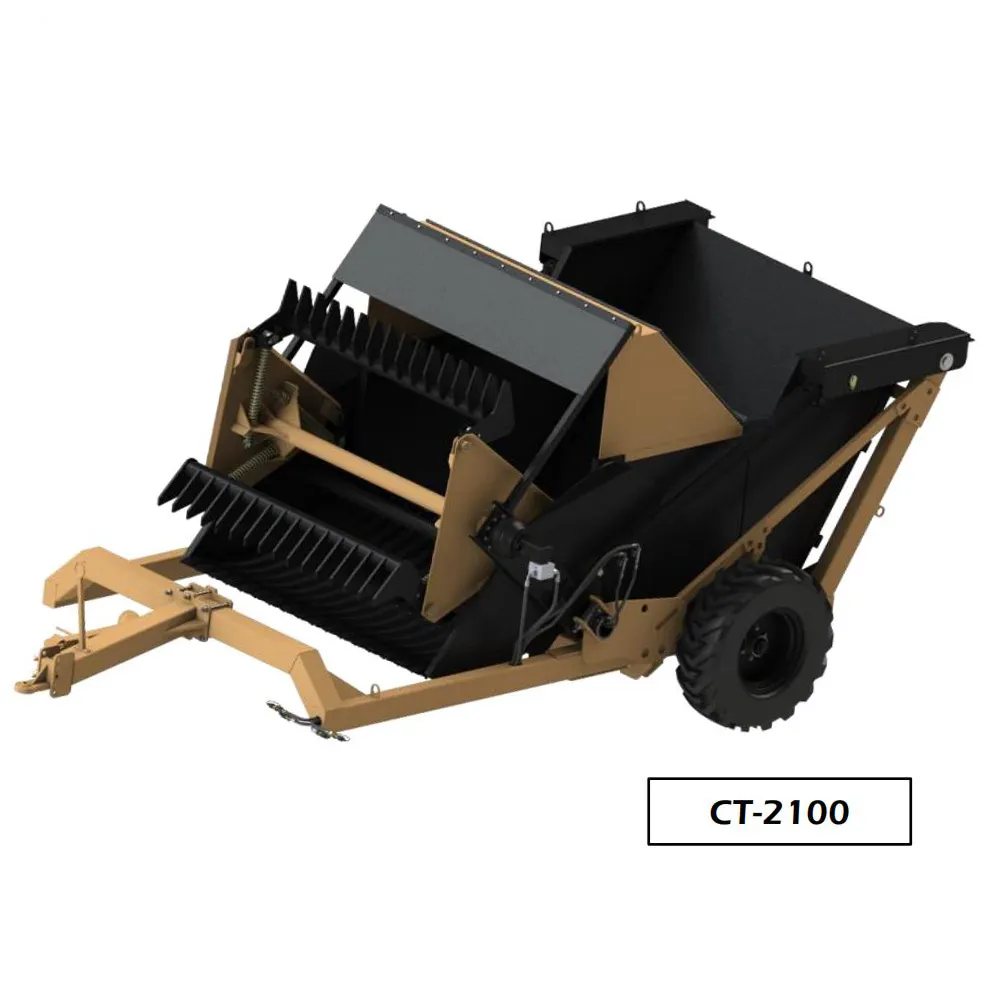
Watanabe Rock Pickers CT-2100
เครื่องเก็บและแปรรูปหิน Rock Pickers CT-2100 จาก Watanabe เป็นอุปกรณ์ที่ติดตั้งบนรถแทรกเตอร์ ออกแบบมาเพื่อการกู้คืนและแปรรูปวัสดุอย่างมีประสิทธิภาพในงานรีไซเคิลของเสีย การเคลียร์พื้นที่รื้อถอน และการเก็บหินในพื้นที่ ด้วยความกว้างในการทำงาน 2100 มม. และโรเตอร์เก็บหินที่แข็งแรง CT-2100 สามารถเก็บเศษวัสดุก่อสร้าง เศษอิฐ และเศษคอนกรีตได้อย่างมีประสิทธิภาพ ป้อนเข้าสู่เครื่องบดหินโดยตรงโดยไม่ต้องมีขั้นตอนการโหลดเพิ่มเติม เหมาะอย่างยิ่งสำหรับพื้นที่รื้อถอนในเมืองและงานรีไซเคิลของเสียที่ประสิทธิภาพในการจัดการวัสดุมีความสำคัญพอๆ กับปริมาณการบด ขับเคลื่อนด้วย PTO, การเชื่อมต่อแบบสามจุดมาตรฐาน, ต้องการรถแทรกเตอร์ขนาด 80 แรงม้าขึ้นไป